

SCADA Equipment: The Complete Guide to Industrial Automation Systems [2024]


SCADA Equipment: The Complete Guide to Industrial Automation Systems [2024]
In today's rapidly evolving industrial landscape, SCADA equipment forms the backbone of modern automation systems. Whether you're managing a wastewater treatment facility, overseeing a manufacturing plant, or maintaining critical infrastructure, understanding SCADA equipment is essential for operational efficiency and system reliability.
What is SCADA Equipment?
SCADA (Supervisory Control and Data Acquisition) equipment comprises the hardware and software components that enable organizations to:
- Monitor industrial processes in real-time - Collect and analyze data from remote locations - Control equipment and processes automatically - Interact with devices such as sensors, pumps, and motors - Record and log all system events for compliance and analysisEssential Components of SCADA Equipment
1. Remote Terminal Units (RTUs)
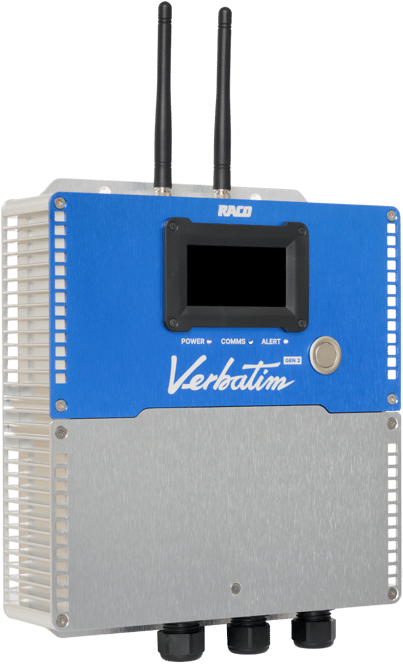
RTUs serve as the field-level interface between physical equipment and the SCADA system. These robust devices collect data from sensors and equipment, converting physical measurements into digital data that can be transmitted to the central system. Modern RTUs like the RACO Catalyst offer advanced features including:
- Multiple communication protocols - Built-in data logging capabilities - Expandable I/O options - Remote programming capabilities - Redundant power supplies2. Programmable Logic Controllers (PLCs)
PLCs are industrial computers designed for automation control. They execute programmed logic to control equipment based on input conditions and predetermined parameters. Key features include:
- Real-time processing capabilities - Industrial-grade reliability - Modular expansion options - Multiple programming languages support - Built-in networking capabilities| PLC Type | Best Used For | Typical Applications |
|---|---|---|
| Compact PLCs | Small to medium applications | Pump stations, small treatment plants |
| Modular PLCs | Large-scale operations | Municipal water systems, manufacturing facilities |
| Safety PLCs | Critical safety applications | Emergency shutdown systems, hazardous processes |
3. Human-Machine Interface (HMI)
HMI devices provide the visual interface between operators and the SCADA system. Modern HMI solutions include:
- Touchscreen displays - Web-based interfaces - Mobile applications - Custom dashboard creation tools - Real-time data visualizationCommunication Infrastructure
Reliable communication is crucial for SCADA equipment operation. Modern systems utilize multiple communication methods:
Primary Communication Methods
- Ethernet/IP networks - Cellular networks (4G/5G) - Radio frequency (RF) transmission - Satellite communication - Fiber optic networksAdvanced SCADA Equipment Features
1. Cybersecurity Capabilities
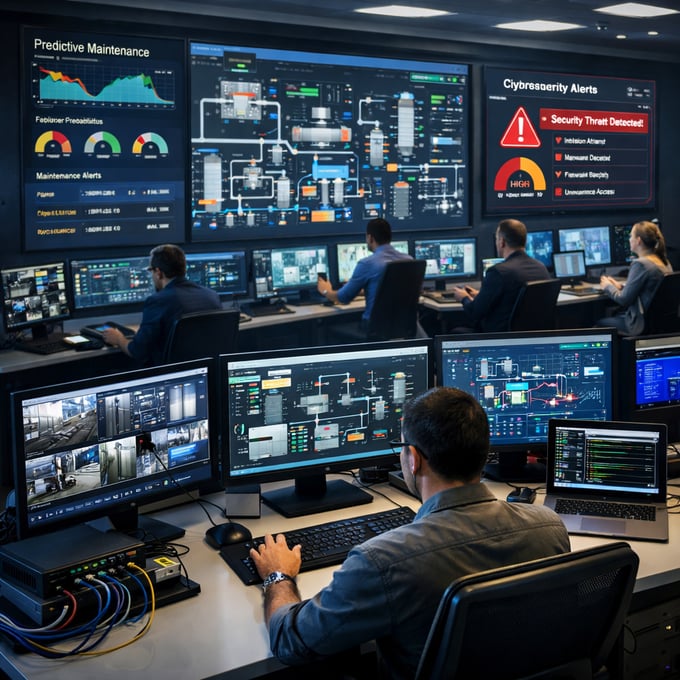
Modern SCADA equipment must include robust security features:
- Encrypted communications - Multi-factor authentication - Role-based access control - Security event logging - Regular security updates2. Data Analytics and Reporting
Advanced SCADA systems offer sophisticated data management capabilities:
- Real-time trend analysis - Predictive maintenance algorithms - Custom report generation - Historical data archiving - Performance optimization toolsSelecting the Right SCADA Equipment
When choosing SCADA equipment, consider these critical factors:
| Factor | Considerations |
|---|---|
| Scalability | Future expansion needs, system growth potential |
| Reliability | Redundancy options, failure recovery capabilities |
| Integration | Compatibility with existing systems, protocol support |
| Support | Vendor expertise, maintenance services |
| Cost | Initial investment, ongoing maintenance expenses |
SCADA Equipment Maintenance Best Practices
Proper maintenance ensures optimal performance and longevity of SCADA equipment:
Regular Maintenance Tasks
1. System backup procedures 2. Software updates and patches 3. Hardware inspections 4. Communication system checks 5. Security audit implementationFuture Trends in SCADA Equipment
The SCADA equipment landscape continues to evolve with emerging technologies:
- Cloud-based SCADA solutions - Industrial Internet of Things (IIoT) integration - Artificial Intelligence and Machine Learning capabilities - Edge computing implementation - Advanced cybersecurity featuresConclusion
SCADA equipment represents a critical investment for industrial automation and control. By understanding the various components, features, and considerations outlined in this guide, organizations can make informed decisions about their SCADA system implementation and maintenance. For expert guidance on SCADA equipment selection and implementation, contact RACO Manufacturing & Engineering's team of automation specialists.