



SCADA Monitoring Systems: The Complete Guide to Modern Process Control
In today's rapidly evolving industrial landscape, effective SCADA monitoring has become the backbone of operational efficiency and process control. Whether you're managing a water treatment facility, overseeing manufacturing operations, or maintaining critical infrastructure, understanding SCADA monitoring systems is crucial for success.
What is SCADA Monitoring?
SCADA (Supervisory Control and Data Acquisition) monitoring is a sophisticated system that enables organizations to monitor, control, and analyze industrial processes in real-time. This technology combines hardware and software components to provide comprehensive oversight of operations, from simple temperature measurements to complex manufacturing processes.
| SCADA Component | Primary Function |
|---|---|
| Remote Terminal Units (RTUs) | Collect data from field devices and sensors |
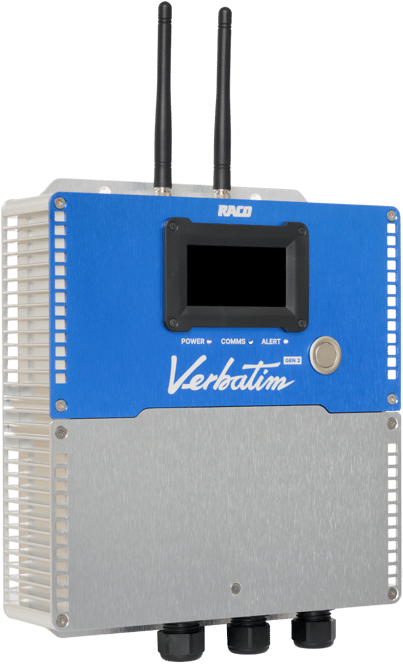
| Programmable Logic Controllers (PLCs) | Process and control field devices |
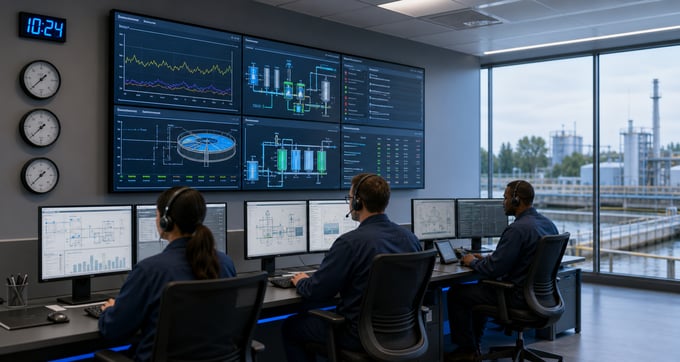
| Human-Machine Interface (HMI) | Provide visual representation and control interface |
| Communication Infrastructure | Enable data transmission between components |
Key Benefits of SCADA Monitoring Systems
Modern SCADA monitoring solutions offer numerous advantages that make them indispensable for industrial operations:
1. Real-time Data Analysis
SCADA systems provide instant access to operational data, enabling quick decision-making and proactive problem-solving. For example, in a wastewater treatment plant, operators can immediately detect and respond to changes in water quality parameters.
2. Improved Operational Efficiency
By automating routine tasks and providing comprehensive system oversight, SCADA monitoring reduces manual intervention and optimizes resource utilization. This automation can lead to significant cost savings and increased productivity.
3. Enhanced Safety and Compliance
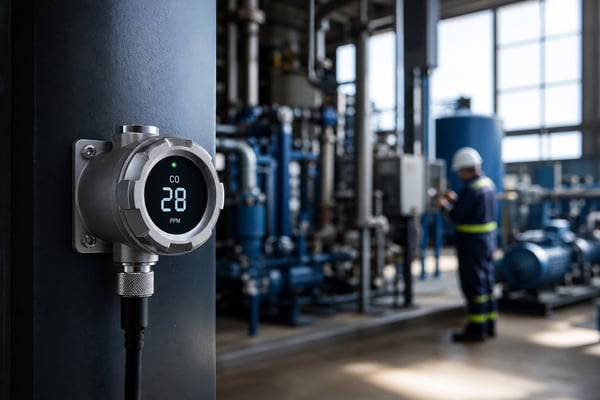
SCADA systems help maintain safety standards by continuously monitoring critical parameters and triggering alarms when conditions exceed predetermined thresholds. This capability is particularly vital in industries with strict regulatory requirements.
Essential Components of Modern SCADA Monitoring
Remote Monitoring Capabilities
Today's SCADA systems leverage advanced telecommunications technology to enable remote monitoring and control. This feature allows operators to manage facilities from anywhere, reducing response times and operational costs.
Data Logging and Historical Analysis
Comprehensive data logging capabilities enable trend analysis, performance optimization, and predictive maintenance. Historical data helps identify patterns and potential issues before they become critical problems.
Alarm Management
Modern SCADA monitoring systems include sophisticated alarm management features that can:
- Prioritize alerts based on severity
- Route notifications to appropriate personnel
- Provide detailed diagnostic information
- Track response times and resolution status
Industry Applications of SCADA Monitoring
Water and Wastewater Management
In water treatment facilities, SCADA monitoring systems track critical parameters such as flow rates, pressure levels, and water quality indicators. These systems ensure compliance with environmental regulations while optimizing treatment processes.
Manufacturing and Production
Manufacturing operations rely on SCADA monitoring to maintain product quality, manage inventory levels, and coordinate production schedules. The system's ability to integrate with other business systems enhances overall operational efficiency.
Energy Management
Power generation and distribution facilities use SCADA monitoring to maintain grid stability, manage power flow, and respond to demand fluctuations in real-time.
Best Practices for SCADA Monitoring Implementation
System Security
Implementing robust cybersecurity measures is crucial for protecting SCADA systems from unauthorized access and potential threats. This includes:
| Security Measure | Purpose |
|---|---|
| Network Segmentation | Isolate critical systems from general network traffic |
| Access Control | Restrict system access based on user roles |
| Encryption | Protect data during transmission |
| Regular Updates | Maintain system security and functionality |
Scalability Considerations
When implementing SCADA monitoring systems, it's essential to plan for future growth and technological advancement. Choose solutions that can adapt to changing operational needs and integrate with new technologies.
Future Trends in SCADA Monitoring
Cloud Integration
Cloud-based SCADA solutions are becoming increasingly popular, offering enhanced accessibility, scalability, and cost-effectiveness. These systems provide secure remote access while reducing infrastructure requirements.
Artificial Intelligence and Machine Learning
Advanced analytics powered by AI and machine learning are revolutionizing SCADA monitoring by enabling predictive maintenance, automated optimization, and intelligent alarm management.
Choosing the Right SCADA Monitoring Solution
Selecting the appropriate SCADA monitoring system requires careful consideration of several factors:
| Factor | Considerations |
|---|---|
| Operational Requirements | Current and future monitoring needs |
| System Integration | Compatibility with existing infrastructure |
| Scalability | Growth potential and expansion capabilities |
| Support and Maintenance | Vendor reliability and service quality |
Conclusion
SCADA monitoring systems continue to evolve, offering increasingly sophisticated solutions for industrial process control and automation. By understanding the key components, benefits, and best practices of SCADA monitoring, organizations can make informed decisions about implementing or upgrading their systems to improve operational efficiency and maintain competitive advantage.
For expert guidance on implementing advanced SCADA monitoring solutions, contact RACO Manufacturing & Engineering. Our team of specialists can help you design and deploy a system that meets your specific operational requirements while ensuring maximum reliability and security.