


Sediment in Water: A Comprehensive Guide to Detection, Impact, and Treatment Solutions


Sediment in Water: A Comprehensive Guide to Detection, Impact, and Treatment Solutions
For water treatment facility operators and environmental managers, sediment in water presents an ongoing challenge that demands vigilant monitoring and effective management strategies. As experts in water monitoring and alarm systems, we understand the critical nature of sediment control in maintaining water quality and protecting infrastructure investments.
Understanding Sediment in Water: Definition and Sources
Sediment consists of solid particles that settle at the bottom of a liquid. In water systems, these particles typically include:
| Sediment Type | Common Sources | Impact Level |
|---|---|---|
| Sand and Silt | Soil erosion, construction sites | High |
| Organic Matter | Plant debris, algae | Medium |
| Mineral Deposits | Rock weathering, industrial processes | High |
The Impact of Sediment on Water Systems
Excessive sediment in water systems can lead to numerous operational challenges and environmental concerns:
Infrastructure Damage
Sediment accumulation can cause significant wear on pumps, valves, and treatment equipment. This accelerated wear often results in increased maintenance costs and reduced system efficiency. According to industry studies, sediment-related damage accounts for approximately 25% of water treatment equipment failures.
Water Quality Issues
High sediment levels can affect:
- Water clarity and aesthetics - Chemical treatment effectiveness - Disinfection processes - Distribution system performanceMonitoring Sediment Levels: Essential Technologies
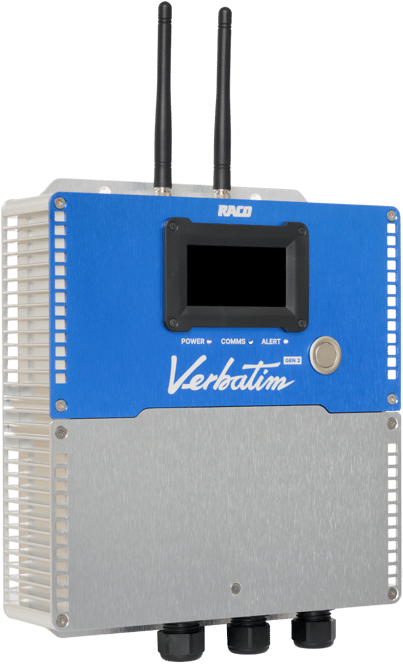
Modern water treatment facilities require robust monitoring systems to maintain optimal operation. RACO Manufacturing's alarm systems play a crucial role in this process by providing:
Real-Time Monitoring Solutions
Our advanced monitoring systems provide continuous measurement of:
- Turbidity levels
- Total suspended solids (TSS)
- Sediment concentration
- Flow rates
Automated Alert Systems
RACO's AlarmAgent® and Catalyst systems offer immediate notification when sediment levels exceed predetermined thresholds, allowing operators to take prompt corrective action.
Treatment Strategies for Sediment Control
Effective sediment management requires a multi-faceted approach:
Physical Treatment Methods
| Method | Application | Efficiency |
|---|---|---|
| Sedimentation Basins | Primary treatment | 70-90% |
| Filtration Systems | Secondary treatment | 85-95% |
| Centrifugal Separation | Industrial applications | 80-95% |
Preventive Measures and Best Practices
Implementing preventive measures can significantly reduce sediment-related issues:
Source Control
Effective source control includes:
- Erosion prevention programs
- Construction site management
- Watershed protection initiatives
System Design Considerations
Proper system design should incorporate:
- Adequate settling time in treatment units
- Appropriate flow velocities
- Regular maintenance access points
The Role of Automation in Sediment Management
Modern sediment management relies heavily on automated systems. RACO's solutions provide:
Integrated Control Systems
Our systems offer:
- Remote monitoring capabilities - Automated sampling programs - Data logging and trend analysis - Custom alarm protocolsCost Implications and ROI
Investing in proper sediment management yields significant returns:
| Investment Area | Typical ROI Timeline | Cost Savings |
|---|---|---|
| Monitoring Systems | 1-2 years | 15-30% |
| Treatment Equipment | 2-3 years | 20-40% |
| Preventive Measures | 1-3 years | 25-45% |
Regulatory Compliance and Reporting
Meeting regulatory requirements for sediment control requires:
- Regular monitoring and documentation - Compliance with EPA guidelines - State-specific reporting protocols - Accurate record-keeping systemsFuture Trends in Sediment Management
The future of sediment management is evolving with new technologies and approaches:
- Advanced sensor technologies - AI-driven monitoring systems - Sustainable treatment methods - Smart infrastructure integrationConclusion
Effective management of sediment in water requires a comprehensive approach combining monitoring, treatment, and preventive measures. RACO Manufacturing's advanced alarm and monitoring systems provide the tools necessary for maintaining optimal water quality and system performance. By implementing these solutions, water treatment facilities can ensure regulatory compliance while protecting their infrastructure investments.
For more information about how RACO's monitoring solutions can help manage sediment in your water system, contact our experts today.