

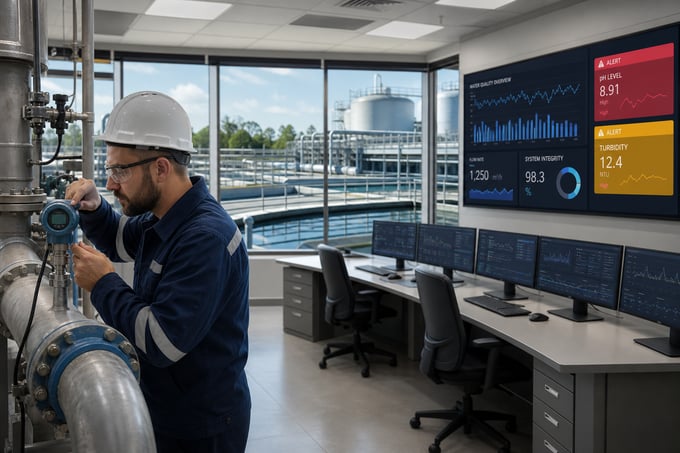
Sensor Detector Systems: The Complete Guide to Industrial Monitoring and Control Solutions


Sensor Detector Systems: The Complete Guide to Industrial Monitoring and Control Solutions
In today's rapidly evolving industrial landscape, sensor detector systems serve as the cornerstone of efficient monitoring and control operations. These sophisticated devices form the foundation of modern automation, providing crucial data that drives decision-making across various sectors, particularly in water and wastewater management. Understanding how sensor detectors work and their applications can significantly impact your facility's operational efficiency and bottom line.
Understanding Sensor Detector Technology
A sensor detector is an integrated system that combines sensing elements with detection capabilities to monitor specific parameters in industrial processes. Unlike simple sensors that merely measure conditions, sensor detectors incorporate advanced processing capabilities to analyze and respond to the data they collect.
| Component | Function | Application |
|---|---|---|
| Sensing Element | Measures physical parameters | Temperature, pressure, level detection |
| Signal Processor | Converts sensor data into readable format | Data analysis and interpretation |
| Output Interface | Communicates processed information | Alarm systems, control centers |
Critical Applications in Water and Wastewater Management
In water and wastewater facilities, sensor detectors play a vital role in maintaining operational efficiency and regulatory compliance. These systems monitor various parameters essential for proper treatment and distribution processes.
Key Parameters Monitored by Sensor Detectors:
1. Flow Measurement - Electromagnetic flow meters - Ultrasonic level sensors - Pressure transducers Detailed monitoring ensures accurate flow rates through treatment processes.
2. Water Quality Analysis - pH sensors - Turbidity meters - Dissolved oxygen monitors These measurements are crucial for meeting environmental standards.
3. System Integrity - Pressure sensors - Leak detection systems - Temperature monitors Continuous monitoring prevents system failures and costly repairs.
Advanced Features of Modern Sensor Detectors
Today's sensor detector systems incorporate sophisticated features that enhance their functionality and reliability. These advancements have revolutionized how facilities monitor and control their processes.
Smart Integration Capabilities
Modern sensor detectors can seamlessly integrate with SCADA systems and other industrial control networks. This integration enables real-time monitoring and automated response capabilities, essential for efficient facility management.
Remote Monitoring Solutions
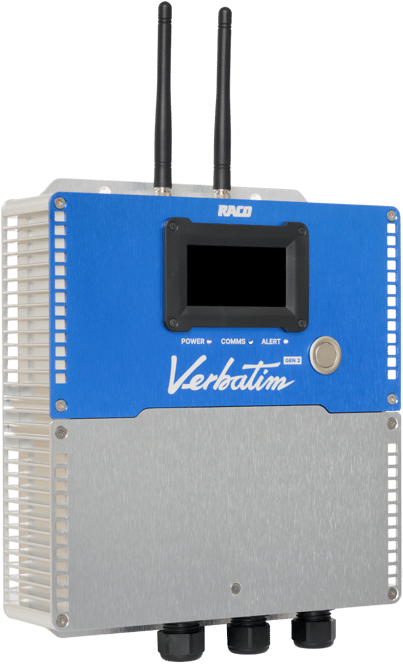
The ability to monitor systems remotely has become increasingly important. RACO's Catalyst and AlarmAgent.com solutions exemplify how sensor detector systems can provide immediate notifications and remote access to critical data, ensuring operators can respond quickly to any situation.
Selecting the Right Sensor Detector System
Choosing the appropriate sensor detector system requires careful consideration of several factors:
| Consideration | Impact | Requirements |
|---|---|---|
| Environmental Conditions | Affects sensor reliability and longevity | Temperature range, humidity tolerance, chemical resistance |
| Accuracy Requirements | Determines measurement precision | Calibration capabilities, measurement resolution |
| Communication Protocol | Enables system integration | Compatibility with existing infrastructure |
Implementation Best Practices
Successful implementation of sensor detector systems requires adherence to industry best practices:
Installation Considerations
Proper installation is crucial for optimal performance. Consider factors such as: - Sensor placement and mounting - Cable routing and protection - Calibration requirements - Environmental protection measures
Maintenance and Calibration
Regular maintenance ensures continued accuracy and reliability: - Establish calibration schedules - Document maintenance procedures - Train personnel on proper care - Monitor performance metrics
Future Trends in Sensor Detector Technology
The sensor detector industry continues to evolve with emerging technologies:
IoT Integration
Internet of Things (IoT) connectivity is becoming standard in modern sensor detector systems, enabling enhanced data collection and analysis capabilities. This integration allows for more sophisticated monitoring and control solutions.
Artificial Intelligence and Machine Learning
AI and ML algorithms are increasingly being incorporated into sensor detector systems, enabling predictive maintenance and advanced pattern recognition capabilities.
Conclusion
Sensor detector systems are essential tools in modern industrial operations, particularly in water and wastewater management. By understanding their capabilities, applications, and implementation requirements, facilities can maximize the benefits of these sophisticated monitoring solutions. For optimal results, consider partnering with experienced providers like RACO Manufacturing & Engineering, who offer comprehensive monitoring solutions tailored to your specific needs.
Recommended Internal Links:
- Alarm monitoring systems - SCADA integration - Remote monitoring solutions - Industrial automation - Wastewater management - Flow measurement - Level detection