

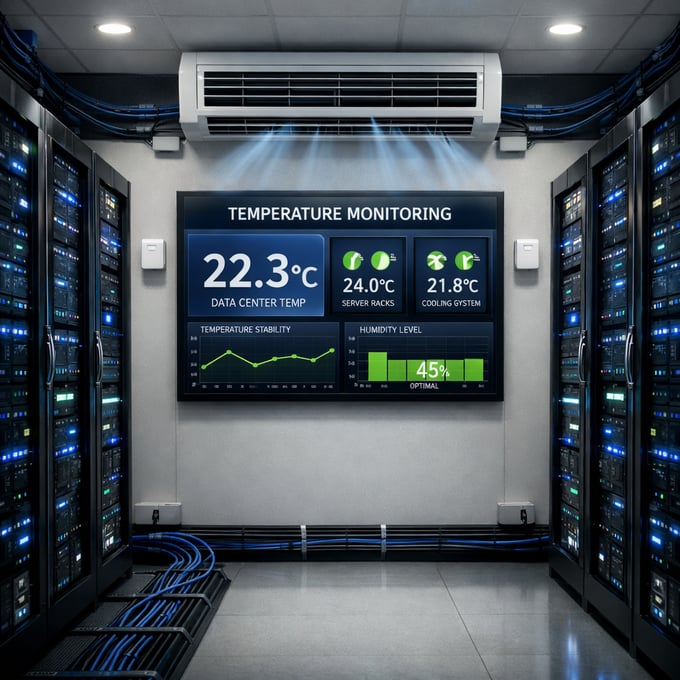
Server Room Temperature Monitoring: Essential Guidelines for Optimal Performance


Server Room Temperature Monitoring: Essential Guidelines for Optimal Performance
Maintaining the right server room temperature is crucial for protecting your valuable IT infrastructure and ensuring continuous operations. As experts in remote monitoring solutions, we understand that even minor temperature fluctuations can lead to costly equipment failures and system downtime. This comprehensive guide will help you understand optimal server room temperatures, monitoring best practices, and how to implement an effective temperature management strategy.
Why Server Room Temperature Matters
Server rooms house critical equipment that generates significant heat during operation. Without proper temperature control, you risk:
- Premature hardware failure
- Reduced equipment lifespan
- Increased energy costs
- System performance issues
- Unexpected downtime
Optimal Server Room Temperature Range
According to ASHRAE (American Society of Heating, Refrigerating and Air-Conditioning Engineers) guidelines, the recommended temperature range for server rooms is:
| Temperature Range | Classification |
|---|---|
| 64.4°F - 80.6°F (18°C - 27°C) | Recommended Range |
| 59°F - 89.6°F (15°C - 32°C) | Allowable Range |
Critical Factors Affecting Server Room Temperature
Several factors influence server room temperature management:
1. Heat Load Calculation
Understanding your room's heat load is essential for proper cooling system design. Consider:
- Equipment power consumption
- Number of servers and devices
- Room size and layout
- External heat sources
2. Airflow Management
Proper airflow is crucial for maintaining consistent temperatures. Key considerations include:
- Hot aisle/cold aisle configuration
- Proper cable management
- Blanking panels installation
- Raised floor optimization
Implementing Effective Temperature Monitoring
A robust temperature monitoring system is essential for maintaining optimal server room conditions. Here's what you need to consider:
Remote Monitoring Solutions
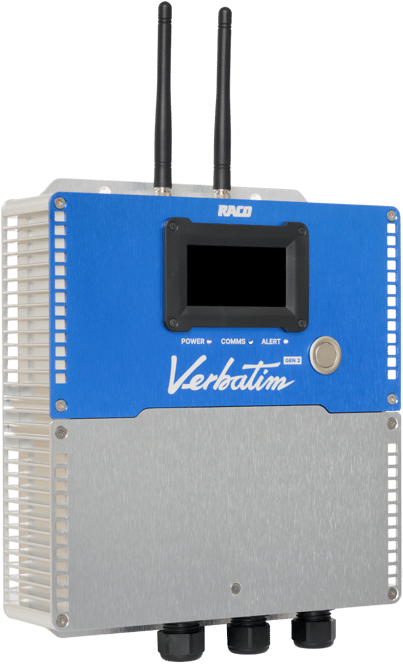
RACO Manufacturing's Catalyst monitoring system provides real-time temperature monitoring with instant alerts when conditions fall outside acceptable ranges. Key features include:
- 24/7 continuous monitoring
- Multiple sensor support
- Customizable alarm thresholds
- Historical data logging
- Mobile accessibility
Sensor Placement Strategy
Strategic sensor placement is crucial for accurate temperature monitoring:
| Location | Purpose |
|---|---|
| Server Intake Points | Monitor cooling effectiveness |
| Hot Aisles | Track heat rejection |
| Near CRAC Units | Verify cooling system performance |
| Room Perimeter | Detect external heat infiltration |
Best Practices for Temperature Management
Follow these guidelines to maintain optimal server room temperature:
1. Regular Monitoring and Documentation
Implement a systematic approach to temperature monitoring:
- Record temperature readings at regular intervals
- Document any temperature fluctuations
- Maintain detailed logs for trend analysis
- Set up automated alerting systems
2. Preventive Maintenance
Regular maintenance helps ensure consistent temperature control:
- Clean air filters monthly
- Inspect cooling system components quarterly
- Verify sensor calibration bi-annually
- Update monitoring software as needed
Emergency Response Planning
Develop a comprehensive emergency response plan for temperature-related incidents:
| Scenario | Response Action |
|---|---|
| High Temperature Alert | Activate backup cooling systems |
| Cooling System Failure | Implement emergency shutdown procedures |
| Power Outage | Switch to backup power systems |
The Role of Automation in Temperature Control
Modern server room temperature management relies heavily on automation. RACO's monitoring solutions provide:
- Automated temperature adjustments
- Predictive maintenance alerts
- Integration with building management systems
- Remote control capabilities
Conclusion
Maintaining proper server room temperature is critical for protecting your IT infrastructure and ensuring business continuity. By implementing a comprehensive monitoring solution like RACO's Catalyst system, following best practices, and maintaining proper documentation, you can effectively manage your server room temperature and prevent costly equipment failures.
Contact RACO Manufacturing today to learn how our advanced monitoring solutions can help you maintain optimal server room temperatures and protect your critical infrastructure.