

Server Room Temperature Monitoring: A Complete Guide to Protecting Critical Infrastructure


Server Room Temperature Monitoring: A Complete Guide to Protecting Critical Infrastructure
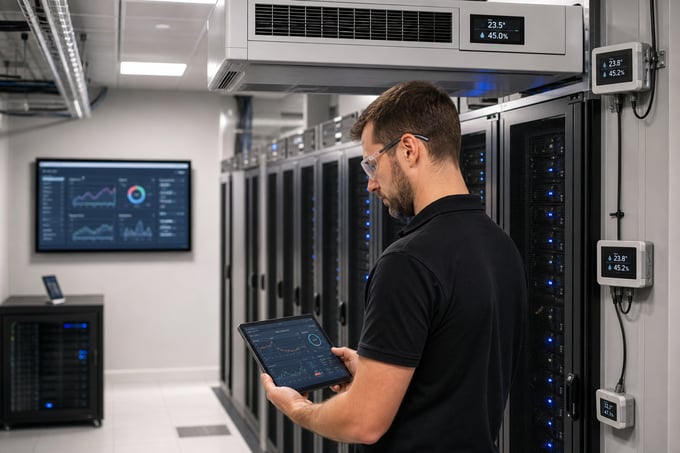
Maintaining optimal temperature conditions in server rooms is crucial for preventing equipment failure, reducing energy costs, and ensuring continuous operations. With the average cost of data center downtime reaching $9,000 per minute, implementing an effective server room temperature monitor system isn't just a convenience—it's a necessity. This comprehensive guide will help you understand why temperature monitoring is critical and how to implement an effective monitoring solution.
Why Server Room Temperature Monitoring Matters
Server rooms house mission-critical equipment that generates significant heat during operation. Without proper temperature monitoring and control, organizations risk:
- Hardware failure and data loss
- Reduced equipment lifespan
- Increased energy consumption
- System downtime
- Substantial financial losses
According to ASHRAE (American Society of Heating, Refrigerating and Air-Conditioning Engineers) guidelines, the recommended temperature range for server rooms is between 64.4°F (18°C) and 80.6°F (27°C). Operating outside these parameters can lead to serious consequences.
Essential Components of a Server Room Temperature Monitoring System
An effective monitoring system consists of several key components working together:
| Component | Function | Importance |
|---|---|---|
| Temperature Sensors | Measure ambient temperature at various points | Critical |
| Humidity Sensors | Monitor moisture levels | High |
| Data Collection Unit | Aggregates sensor readings | Essential |
| Alert System | Notifies personnel of issues | Critical |
| Reporting Software | Analyzes and presents data | Important |
Advanced Features of Modern Temperature Monitoring Solutions
Today's server room temperature monitor systems offer sophisticated capabilities that go beyond basic temperature readings:
Remote Monitoring and Control
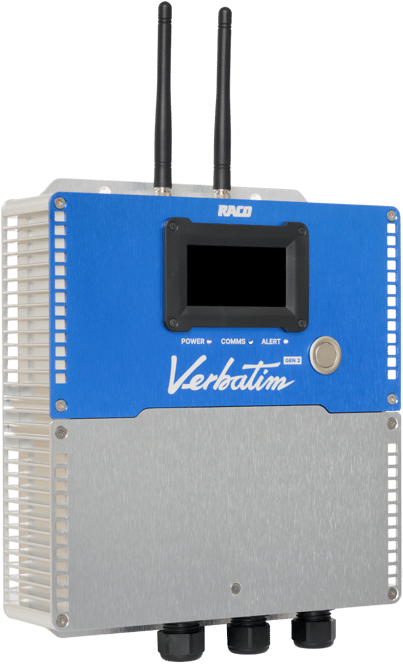
Modern systems enable facility managers to monitor conditions from anywhere using mobile devices or web interfaces. RACO's Catalyst system, for example, provides real-time monitoring and remote access capabilities, ensuring immediate response to temperature fluctuations.
Automated Alert Systems
When temperature thresholds are exceeded, automated systems can:
- Send SMS alerts to designated personnel
- Initiate emergency cooling procedures
- Log events for compliance and analysis
- Trigger backup environmental control systems
Strategic Sensor Placement for Optimal Monitoring
Proper sensor placement is crucial for accurate temperature monitoring. Consider these key locations:
Hot Spots and Cold Aisles
Install sensors in both hot and cold aisles to maintain proper airflow management and temperature control. This helps optimize cooling efficiency and prevent equipment overheating.
Vertical Temperature Gradients
Place sensors at different heights to account for temperature stratification, typically at:
- Floor level (cold air intake)
- Mid-rack height (equipment operation zone)
- Ceiling level (hot air return)
Integration with Building Management Systems
Modern server room temperature monitor solutions should integrate seamlessly with existing building management systems (BMS). This integration enables:
- Centralized control and monitoring
- Improved energy efficiency
- Coordinated response to environmental changes
- Comprehensive data analysis and reporting
Best Practices for Temperature Monitoring Implementation
Follow these guidelines to ensure effective temperature monitoring:
Regular Calibration and Maintenance
Maintain accuracy through:
- Quarterly sensor calibration checks
- Annual system audits
- Regular software updates
- Preventive maintenance schedules
Documentation and Training
Maintain detailed records and ensure staff are properly trained on:
- System operation procedures
- Emergency response protocols
- Troubleshooting steps
- Maintenance requirements
Choosing the Right Temperature Monitoring Solution
When selecting a server room temperature monitor system, consider these factors:
| Factor | Considerations |
|---|---|
| Scalability | Ability to expand with growing infrastructure |
| Reliability | Proven track record and redundant features |
| Integration | Compatibility with existing systems |
| Support | 24/7 technical assistance availability |
| Cost | Total cost of ownership including maintenance |
The Role of Temperature Monitoring in Disaster Prevention
A robust server room temperature monitor system serves as a crucial component in disaster prevention by:
- Providing early warning of potential issues
- Enabling proactive maintenance
- Preventing cascade failures
- Ensuring business continuity
Conclusion
Implementing an effective server room temperature monitor system is essential for protecting critical infrastructure and ensuring continuous operations. By following the guidelines outlined in this article and choosing a reliable solution like RACO's monitoring systems, organizations can maintain optimal server room conditions and prevent costly downtime.
Recommended Internal Links:
- Data Center Monitoring Solutions
- Environmental Monitoring Systems
- Remote Monitoring Solutions
- Industrial Automation Systems
- SCADA Systems