

Sewer System Monitoring: A Complete Guide to Modern Infrastructure Management


Sewer System Monitoring: A Complete Guide to Modern Infrastructure Management
Managing municipal sewer systems has evolved dramatically from the days of manual inspections and reactive maintenance. Today's sewer infrastructure demands sophisticated monitoring solutions to prevent catastrophic failures, protect public health, and maintain environmental compliance. This comprehensive guide explores modern sewer monitoring approaches, focusing on how automation and advanced alarm systems are revolutionizing infrastructure management.
Understanding Modern Sewer System Challenges
Municipal sewer systems face unprecedented challenges in today's environment. From aging infrastructure to increased service demands and stricter regulatory requirements, system operators must navigate complex operational landscapes while maintaining reliable service. Key challenges include:
| Challenge | Impact | Modern Solution |
|---|---|---|
| Aging Infrastructure | Increased risk of failures and overflows | 24/7 automated monitoring systems |
| Population Growth | Greater system strain and capacity issues | Real-time flow monitoring and analytics |
| Climate Change | More frequent extreme weather events | Predictive maintenance and early warning systems |
Essential Components of Modern Sewer Monitoring
Effective sewer system monitoring requires a comprehensive approach combining various technologies and methodologies. The foundation of modern monitoring includes:
1. Remote Monitoring Systems
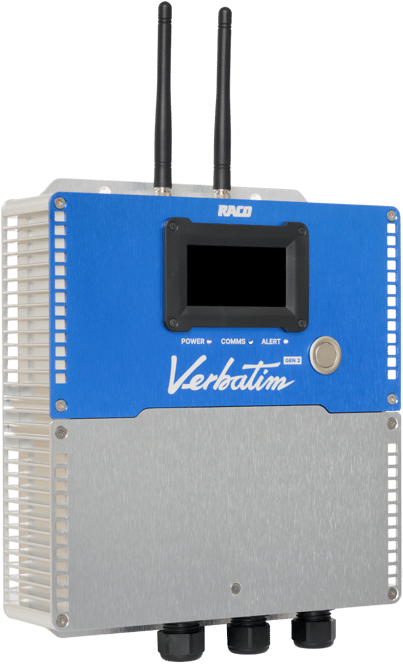
Remote monitoring solutions, such as RACO's Verbatim Gateway, provide continuous oversight of critical sewer infrastructure components. These systems monitor:
- Pump station operations and performance metrics
- Flow rates and system capacity
- Equipment status and maintenance needs
- Environmental conditions affecting system operation
2. Automated Alarm Systems
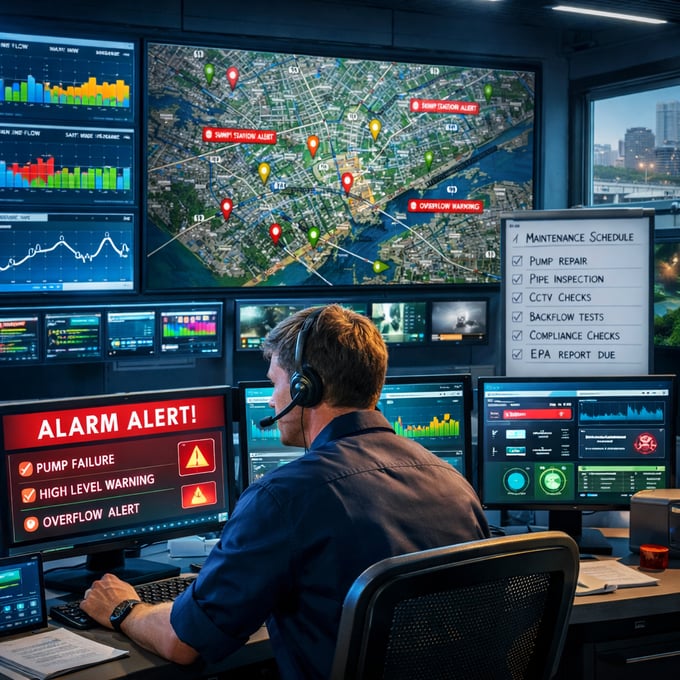
Advanced alarm systems form the backbone of modern sewer monitoring. These systems provide immediate notification when problems arise, enabling rapid response to potential issues. Key features include:
• Customizable alarm parameters • Multiple notification methods (voice, text, email) • Escalation protocols for unacknowledged alarms • Historical data logging for compliance and analysis
The Role of Data Analytics in Sewer Management
Modern sewer monitoring generates vast amounts of data that, when properly analyzed, provide valuable insights for system optimization. Key applications include:
Predictive Maintenance
By analyzing historical data patterns, operators can predict potential failures before they occur, scheduling maintenance activities proactively rather than reactively. This approach typically reduces emergency repairs by 25-30% and extends equipment life by 20%.
Capacity Planning
Data-driven insights enable better planning for system expansion and upgrades, ensuring infrastructure investments align with actual needs and usage patterns.
Regulatory Compliance and Reporting
Modern sewer monitoring systems play a crucial role in maintaining regulatory compliance. Automated systems help by:
- Generating required compliance reports automatically
- Maintaining detailed operational logs
- Documenting response times to system alerts
- Tracking environmental impact metrics
Best Practices for Implementing Sewer Monitoring Solutions
Successfully implementing modern sewer monitoring systems requires careful planning and consideration of several key factors:
1. System Assessment
Begin with a comprehensive assessment of your current infrastructure, identifying critical monitoring points and potential vulnerabilities. This assessment should include:
| Assessment Area | Key Considerations |
|---|---|
| Infrastructure Age | Condition assessment, replacement schedules |
| System Capacity | Current usage, growth projections |
| Critical Points | High-risk areas requiring priority monitoring |
2. Technology Selection
Choose monitoring solutions that offer:
• Scalability for future expansion • Integration capabilities with existing systems • Reliable communication protocols • User-friendly interfaces for operators
Cost Considerations and ROI
While implementing modern sewer monitoring systems requires initial investment, the return on investment typically manifests through:
- Reduced emergency repair costs
- Lower insurance premiums
- Extended equipment life
- Improved operational efficiency
Future Trends in Sewer Monitoring
The future of sewer monitoring is evolving rapidly, with several emerging trends shaping the industry:
Artificial Intelligence and Machine Learning
AI-powered systems are increasingly being used to analyze data patterns and predict potential issues before they occur, enabling truly predictive maintenance approaches.
IoT Integration
The Internet of Things (IoT) is enabling more comprehensive monitoring through networks of connected sensors and devices, providing unprecedented visibility into system operations.
Conclusion
Modern sewer monitoring systems represent a crucial investment in infrastructure reliability and public health protection. By implementing comprehensive monitoring solutions like those offered by RACO Manufacturing & Engineering, municipalities can ensure more reliable operation, better regulatory compliance, and more efficient use of resources.
For more information about implementing modern sewer monitoring solutions, contact RACO's team of experts or explore our complete range of alarm monitoring systems designed specifically for wastewater applications.