


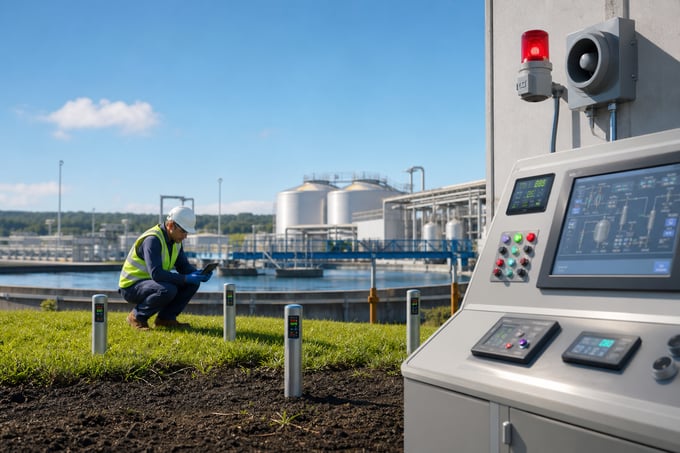
Soil Humidity Sensors: The Complete Guide to Moisture Monitoring in Wastewater Management


Soil Humidity Sensors: The Complete Guide to Moisture Monitoring in Wastewater Management
In the complex world of wastewater management, accurate soil moisture monitoring is crucial for preventing environmental contamination and ensuring efficient treatment processes. Soil humidity sensors have become indispensable tools for wastewater professionals, offering real-time data that helps prevent costly failures and maintain regulatory compliance. This comprehensive guide explores everything you need to know about soil humidity sensors and their critical role in wastewater management.
Understanding Soil Humidity Sensors: The Basics
Soil humidity sensors, also known as soil moisture sensors, are sophisticated devices that measure the volumetric water content in soil. These instruments are essential for monitoring potential leaks in wastewater systems and ensuring proper drainage in treatment facilities. The technology behind these sensors has evolved significantly, offering increasingly accurate and reliable measurements for wastewater applications.
Types of Soil Humidity Sensors
| Sensor Type | Operating Principle | Best Application |
|---|---|---|
| Capacitive Sensors | Measures dielectric constant | Continuous monitoring in varied soil types |
| Resistive Sensors | Measures electrical resistance | Basic moisture detection |
| Neutron Moisture Meters | Measures hydrogen atom concentration | High-precision research applications |
| Time Domain Reflectometry (TDR) | Measures electromagnetic pulse reflection | Professional wastewater monitoring |
Critical Applications in Wastewater Management
Soil humidity sensors serve multiple crucial functions in wastewater management systems. Understanding these applications helps facility managers implement more effective monitoring solutions:
1. Leachate Detection
In wastewater treatment facilities, soil humidity sensors act as early warning systems for potential leachate leaks. These sensors can detect subtle changes in soil moisture content that might indicate a compromised liner or containment system. When integrated with advanced alarm systems like RACO's Catalyst™, operators receive immediate notifications when moisture levels exceed predetermined thresholds.
2. Infiltration Monitoring
Monitoring soil moisture levels around infiltration basins and drainage fields helps operators optimize treatment processes and prevent system overload. Real-time data allows for proactive adjustments to flow rates and treatment schedules.
3. Compliance Monitoring
Environmental regulations often require continuous monitoring of soil conditions around wastewater facilities. Soil humidity sensors provide the necessary data for compliance reporting and documentation.
Integration with SCADA Systems
Modern soil humidity sensors can be seamlessly integrated with Supervisory Control and Data Acquisition (SCADA) systems, providing comprehensive monitoring capabilities. This integration offers several advantages:
| Feature | Benefit |
|---|---|
| Real-time Data Collection | Immediate access to moisture readings |
| Automated Alerts | Quick response to potential issues |
| Data Logging | Historical analysis and trend identification |
| Remote Monitoring | Reduced need for on-site inspections |
Best Practices for Sensor Implementation
Successful implementation of soil humidity sensors requires careful planning and consideration of several factors:
Sensor Placement
Strategic placement of sensors is crucial for effective monitoring. Consider these factors:
- Soil composition and drainage patterns
- Critical monitoring points near containment structures
- Depth requirements for different applications
- Access for maintenance and calibration
Maintenance Requirements
Regular maintenance ensures reliable sensor operation and accurate readings. Key maintenance tasks include:
- Periodic calibration checks
- Cleaning of sensor probes
- Verification of electrical connections
- Software updates for digital systems
Advanced Monitoring Solutions
Integration with advanced alarm systems like RACO's AlarmAgent® provides enhanced monitoring capabilities. These systems offer:
- 24/7 automated monitoring and alerts
- Custom alarm thresholds
- Multiple notification methods (voice, text, email)
- Data logging and reporting features
Future Trends in Soil Moisture Monitoring
The field of soil humidity monitoring continues to evolve with new technologies and capabilities:
Emerging Technologies
- Wireless sensor networks for comprehensive coverage
- AI-powered predictive analytics
- IoT integration for enhanced connectivity
- Advanced data visualization tools
Conclusion
Soil humidity sensors are essential tools in modern wastewater management, providing crucial data for maintaining system integrity and environmental compliance. When properly implemented and integrated with advanced monitoring systems like RACO's solutions, these sensors help facilities operate more efficiently and respond more quickly to potential issues.
For more information about integrating soil humidity sensors with your wastewater monitoring system, contact RACO's team of experts or explore our range of alarm monitoring solutions.
Recommended Internal Links:
- Wastewater Treatment Monitoring
- SCADA System Integration
- Environmental Compliance Solutions
- Remote Monitoring Systems
- Alarm Notification Systems


