

Soil Moisture Sensors: The Complete Guide to Smart Water Management in 2024


Soil Moisture Sensors: The Complete Guide to Smart Water Management in 2024
Water management has become increasingly critical in today's world, where conservation and efficiency are paramount. Soil moisture sensors have emerged as essential tools for precise water management across various industries, from agriculture to wastewater treatment. This comprehensive guide explores everything you need to know about soil moisture sensors, their applications, and how they're revolutionizing water management practices.
What Is a Soil Moisture Sensor?
A soil moisture sensor is a sophisticated device that measures the volumetric water content in soil. These sensors use various technologies to detect moisture levels, providing real-time data that helps operators make informed decisions about irrigation and water management. Modern soil moisture sensors can be integrated with automated systems for precise control and monitoring.
Types of Soil Moisture Sensors
| Sensor Type | Technology | Best Application |
|---|---|---|
| Tensiometric | Measures soil water tension | Agricultural irrigation |
| Volumetric | Measures water content percentage | Research and precision farming |
| Neutron probe | Uses radiation to measure hydrogen atoms | Scientific research |
| Capacitive | Measures dielectric constant | Commercial agriculture |
Applications in Water Management
Agricultural Applications
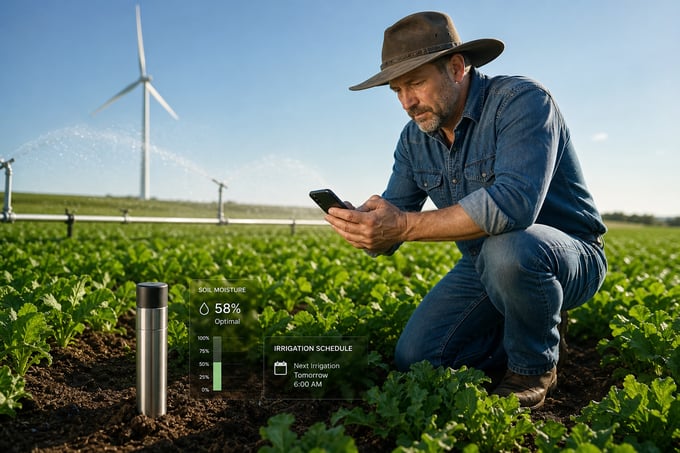
In agriculture, soil moisture sensors are revolutionizing irrigation practices. These devices enable farmers to:
- Optimize irrigation scheduling based on real-time soil conditions
- Reduce water waste and operating costs
- Improve crop yields through precise moisture management
- Prevent over-irrigation and root diseases
Wastewater Treatment Applications
In wastewater treatment facilities, soil moisture sensors play a crucial role in:
1. Monitoring leachate systems in treatment beds 2. Optimizing sludge dewatering processes 3. Ensuring proper moisture levels in biosolids management 4. Preventing groundwater contamination
Integration with SCADA Systems
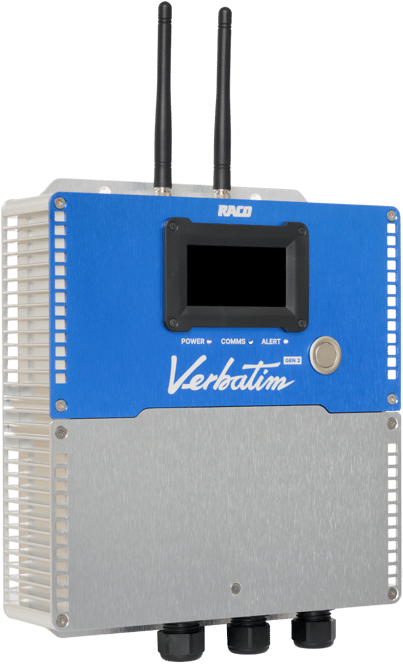
Modern soil moisture sensors can be integrated with Supervisory Control and Data Acquisition (SCADA) systems for enhanced monitoring and control. RACO's Catalyst® SCADA system provides seamless integration with soil moisture sensors, offering:
- Real-time monitoring and data logging
- Automated alarm notifications
- Remote access to sensor data
- Trend analysis and reporting capabilities
Benefits of Implementing Soil Moisture Sensors
Environmental Benefits
1. Water Conservation: Reduced water usage through precise irrigation 2. Energy Savings: Lower pumping and treatment costs 3. Soil Health: Improved soil structure and reduced erosion 4. Sustainability: Better resource management and environmental protection
Economic Benefits
1. Reduced Operating Costs: Lower water and energy consumption 2. Improved Efficiency: Optimized resource utilization 3. Enhanced Productivity: Better crop yields and treatment outcomes 4. ROI: Quick return on investment through resource savings
Best Practices for Sensor Implementation
Installation Considerations
Proper installation is crucial for accurate soil moisture sensing. Key considerations include:
| Factor | Consideration |
|---|---|
| Sensor Placement | Install at appropriate depth for target measurement |
| Soil Contact | Ensure good contact between sensor and soil |
| Calibration | Regular calibration for accuracy |
| Protection | Shield from physical damage and environmental factors |
Maintenance Requirements
Regular maintenance ensures optimal sensor performance:
1. Periodic calibration checks 2. Cleaning of sensor probes 3. Battery replacement (for wireless sensors) 4. Software updates for connected systems
Future Trends in Soil Moisture Sensing
The future of soil moisture sensing is evolving with new technologies:
- IoT integration for enhanced connectivity
- AI-powered predictive analytics
- Advanced sensor materials for improved accuracy
- Wireless sensor networks for broader coverage
Choosing the Right Soil Moisture Sensor System
When selecting a soil moisture sensor system, consider:
| Factor | Importance |
|---|---|
| Accuracy Requirements | Match sensor precision to application needs |
| Integration Capabilities | Ensure compatibility with existing systems |
| Environmental Conditions | Select sensors rated for your environment |
| Budget Constraints | Balance cost with required features |
Conclusion
Soil moisture sensors are transforming water management across industries. By providing accurate, real-time data, these devices enable better decision-making, resource conservation, and operational efficiency. When integrated with modern SCADA systems like RACO's Catalyst®, soil moisture sensors become powerful tools for comprehensive water management strategies.
For more information about integrating soil moisture sensors with your SCADA system, contact RACO Manufacturing & Engineering. Our experts can help you design and implement a solution that meets your specific needs.
Recommended Internal Links:
- SCADA systems
- Remote monitoring
- Alarm notification systems
- Water management solutions
- Industrial automation