

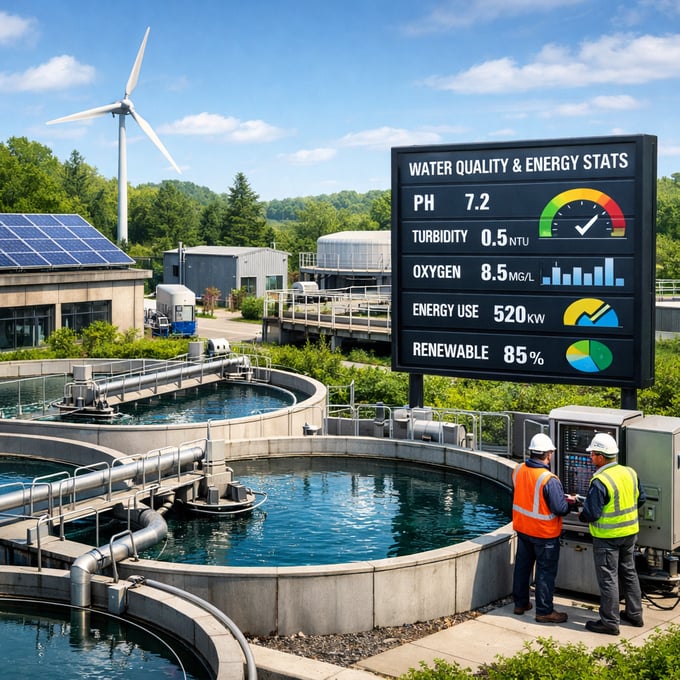
Sustainable Wastewater Treatment: A Comprehensive Guide to Modern Solutions and Best Practices


Sustainable Wastewater Treatment: A Comprehensive Guide to Modern Solutions and Best Practices
The growing global focus on environmental sustainability has placed wastewater treatment at the forefront of water conservation efforts. As communities and industries face increasing pressure to reduce their environmental impact, sustainable wastewater treatment has emerged as a critical solution for protecting our water resources while meeting regulatory requirements and operational efficiency goals.
Understanding Sustainable Wastewater Treatment
Sustainable wastewater treatment encompasses processes and technologies that clean and purify wastewater while minimizing environmental impact, reducing energy consumption, and recovering valuable resources. This approach goes beyond traditional treatment methods by incorporating innovative technologies and practices that ensure long-term environmental and economic viability.
Key Components of Sustainable Wastewater Treatment
Modern sustainable wastewater treatment systems integrate several essential components:
| Component | Function | Sustainability Benefit |
|---|---|---|
| Energy-efficient Equipment | Processing and treating wastewater | Reduced carbon footprint and operational costs |
| Resource Recovery Systems | Extracting valuable materials | Creation of useful byproducts and reduced waste |
| Smart Monitoring Solutions | Real-time system oversight | Optimized performance and preventive maintenance |
| Water Reuse Technologies | Treating water for reuse | Conservation of water resources |
Advanced Technologies in Sustainable Treatment
The evolution of wastewater treatment technology has introduced several innovative solutions that enhance sustainability:
1. Membrane Bioreactors (MBR)
MBR technology combines conventional biological treatment with membrane filtration, offering superior effluent quality while requiring a smaller footprint than traditional systems. This technology is particularly effective for water reuse applications and has become increasingly popular in sustainable treatment facilities.
2. Anaerobic Digestion
This process not only treats wastewater but also generates biogas, which can be used as a renewable energy source. Modern anaerobic digestion systems can significantly reduce facility energy costs while producing high-quality biosolids for agricultural use.
3. Smart Monitoring and Control Systems
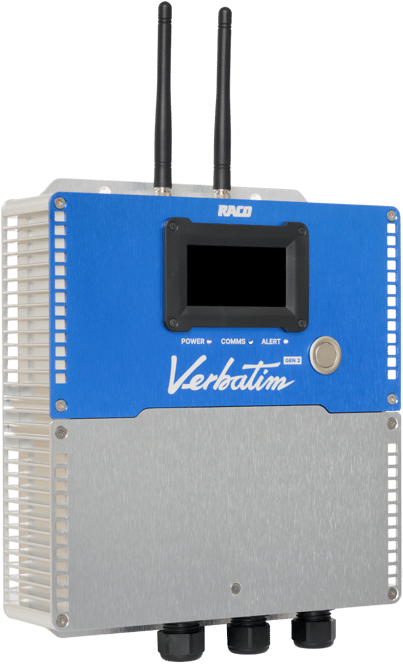
Advanced monitoring solutions, such as RACO's Catalyst and AlarmAgent.com systems, play a crucial role in sustainable wastewater treatment. These systems provide real-time monitoring and alerts, enabling operators to:
- Optimize treatment processes in real-time
- Reduce energy consumption through precise control
- Prevent environmental incidents through early detection
- Maintain regulatory compliance with automated reporting
Resource Recovery and Circular Economy
Sustainable wastewater treatment facilities are increasingly adopting circular economy principles, transforming from traditional treatment plants into resource recovery facilities. This transformation includes:
Water Reuse Applications
Treated wastewater can be repurposed for various applications:
| Application | Requirements | Benefits |
|---|---|---|
| Agricultural Irrigation | Secondary treatment with disinfection | Reduced freshwater demand |
| Industrial Processes | Advanced treatment specific to use | Lower operational costs |
| Groundwater Recharge | Advanced treatment with monitoring | Aquifer sustainability |
Energy Efficiency and Management
Energy consumption represents one of the largest operational costs in wastewater treatment. Sustainable facilities implement various strategies to reduce energy usage:
Energy Optimization Strategies
1. Variable Frequency Drives (VFDs) for pumps and blowers 2. Peak demand management through smart controls 3. Heat recovery from treatment processes 4. Solar and wind power integration 5. Biogas utilization for power generation
Monitoring and Control for Sustainable Operations
Effective monitoring and control systems are essential for maintaining sustainable operations. RACO's advanced monitoring solutions provide:
- Real-time process monitoring and optimization
- Predictive maintenance capabilities
- Energy usage tracking and optimization
- Automated compliance reporting
Implementation Challenges and Solutions
While implementing sustainable wastewater treatment systems presents certain challenges, various solutions can help overcome these obstacles:
| Challenge | Solution |
|---|---|
| High Initial Costs | Phased implementation and government grants |
| Technical Expertise | Staff training and automated systems |
| Regulatory Compliance | Advanced monitoring and reporting systems |
Future Trends in Sustainable Wastewater Treatment
The future of sustainable wastewater treatment is shaped by emerging technologies and approaches:
- Advanced artificial intelligence and machine learning applications
- Enhanced resource recovery technologies
- Integration of renewable energy systems
- Development of smart city water management systems
Conclusion
Sustainable wastewater treatment represents a crucial evolution in water management, offering environmental benefits while improving operational efficiency. By implementing advanced technologies, resource recovery systems, and smart monitoring solutions, facilities can achieve their sustainability goals while maintaining regulatory compliance and controlling costs.
For more information about implementing sustainable monitoring solutions in your wastewater treatment facility, contact RACO Manufacturing & Engineering to discuss how our advanced alarm monitoring and control systems can support your sustainability initiatives.