

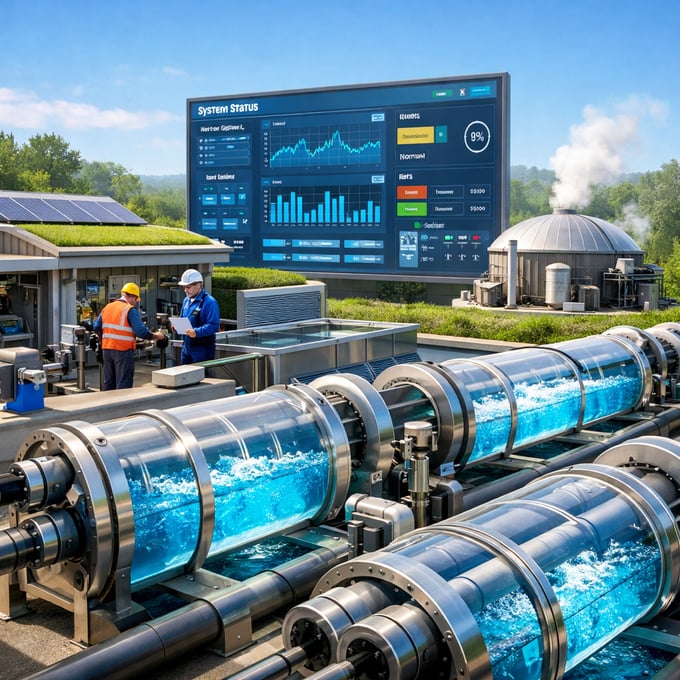


Sustainable Water Treatment: Advanced Solutions for a Water-Secure Future
As global water scarcity intensifies and environmental concerns mount, sustainable water treatment has emerged as a critical solution for preserving our most precious resource. With over 2 billion people lacking access to safely managed drinking water and industrial water consumption projected to increase by 400% by 2050, the need for efficient, environmentally conscious water treatment approaches has never been more urgent.
Understanding Sustainable Water Treatment
Sustainable water treatment encompasses methods and technologies that purify water while minimizing environmental impact, reducing energy consumption, and maximizing resource recovery. Unlike traditional treatment processes, sustainable approaches focus on long-term viability, incorporating renewable energy sources and circular economy principles.
| Traditional Treatment | Sustainable Treatment |
|---|---|
| High energy consumption | Energy-efficient processes |
| Chemical-intensive | Natural treatment methods |
| Resource depletion | Resource recovery and reuse |
| High carbon footprint | Reduced environmental impact |
Key Technologies in Sustainable Water Treatment
1. Membrane Filtration Systems
Advanced membrane technologies represent a cornerstone of sustainable water treatment. These systems utilize selective barriers to remove contaminants while requiring minimal chemical input. Modern membrane solutions achieve up to 40% energy savings compared to conventional treatment methods.
2. Biological Treatment Processes
Biological treatment leverages natural processes to break down contaminants. Membrane bioreactors (MBRs) combine biological treatment with membrane filtration, offering superior water quality while reducing sludge production by up to 50%.
3. Smart Monitoring Systems
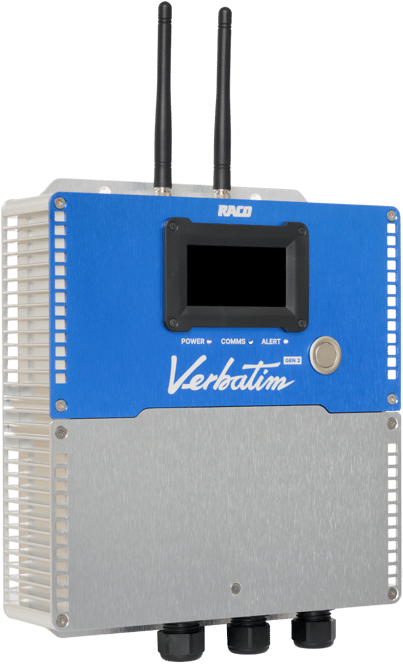
Real-time monitoring and automation play crucial roles in optimizing treatment processes. RACO's alarm monitoring systems enable facilities to respond quickly to operational issues, preventing waste and ensuring consistent treatment quality. These systems can reduce energy consumption by 15-20% through optimized operation.
Implementing Sustainable Water Treatment Solutions
Energy Optimization Strategies
Energy consumption typically represents 30-40% of operational costs in water treatment facilities. Implementing energy-efficient technologies and practices is essential for sustainability:
| Strategy | Potential Savings | Implementation Complexity |
|---|---|---|
| Variable frequency drives | 20-50% energy reduction | Medium |
| Solar power integration | 30-60% energy costs | High |
| Process optimization | 15-25% efficiency improvement | Low |
Resource Recovery and Circular Economy
Modern sustainable treatment facilities increasingly focus on recovering valuable resources from wastewater, including:
- Nutrient recovery for fertilizer production
- Biogas generation from organic waste
- Water reuse for industrial applications
- Thermal energy recovery
Remote Monitoring and Control for Sustainable Operations
Effective monitoring and control systems are essential for maintaining sustainable water treatment operations. RACO's advanced alarm systems provide:
- Real-time process monitoring and alerts
- Predictive maintenance capabilities
- Energy consumption tracking
- Remote operation capabilities
These features enable facilities to optimize their operations, reduce waste, and maintain consistent treatment quality while minimizing resource consumption.
Future Trends in Sustainable Water Treatment
Emerging Technologies
Several innovative technologies are shaping the future of sustainable water treatment:
| Technology | Application | Impact |
|---|---|---|
| Advanced oxidation processes | Micropollutant removal | Enhanced water quality |
| AI-powered control systems | Process optimization | Improved efficiency |
| Nanotechnology | Contaminant removal | Higher treatment effectiveness |
Best Practices for Implementation
Successfully implementing sustainable water treatment solutions requires a comprehensive approach:
- Conduct thorough assessments - Evaluate current systems and identify improvement opportunities
- Develop phased implementation plans - Prioritize upgrades based on impact and resource availability
- Invest in monitoring and control - Implement robust monitoring systems for optimal operation
- Train personnel - Ensure staff are properly trained on new technologies and procedures
- Regular evaluation - Monitor performance metrics and adjust strategies as needed
Conclusion
Sustainable water treatment represents the future of water management, offering solutions that protect both our water resources and the environment. By implementing advanced technologies, optimizing energy use, and leveraging smart monitoring systems, facilities can achieve significant improvements in efficiency while reducing their environmental impact.
For more information about implementing sustainable water treatment solutions and advanced monitoring systems, contact RACO Manufacturing & Engineering to discuss your specific needs.