



Tank Telemetry Systems: The Complete Guide to Remote Tank Monitoring
Managing fluid levels in tanks across multiple locations has traditionally been a labor-intensive process requiring frequent site visits and manual measurements. Tank telemetry has revolutionized this landscape, offering real-time monitoring capabilities that save time, reduce costs, and prevent costly overflow incidents. In this comprehensive guide, we'll explore everything you need to know about tank telemetry systems and how they're transforming industrial operations.
What Is Tank Telemetry?
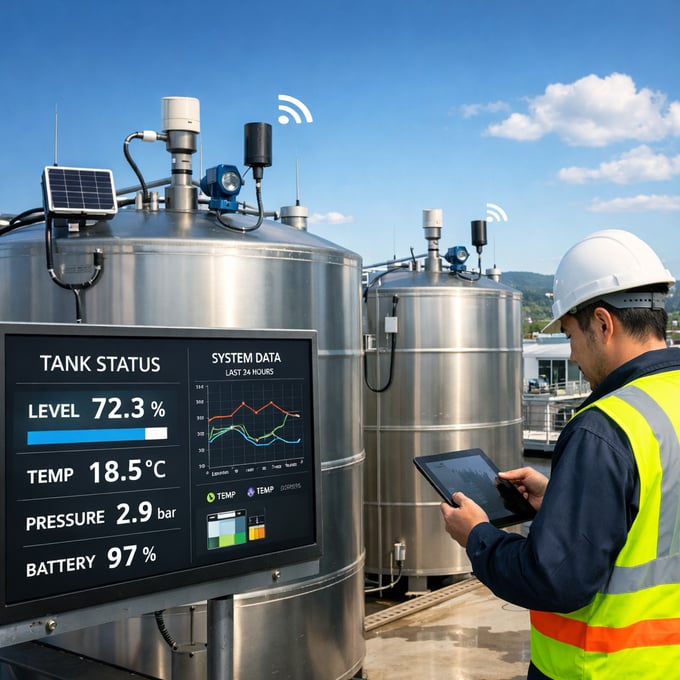
Tank telemetry refers to the automated process of measuring, collecting, and transmitting tank data from remote locations to a central monitoring system. This technology enables operators to monitor crucial parameters such as:
- Fluid levels
- Temperature
- Pressure
- Flow rates
- Chemical composition
Modern tank telemetry systems utilize various sensors, communication protocols, and software platforms to provide real-time insights into tank conditions, helping organizations make data-driven decisions about their operations.
Key Components of Tank Telemetry Systems
| Component | Function |
|---|---|
| Sensors | Measure physical parameters like level, temperature, and pressure |
| Data Logger | Records and stores measurement data |
| Communication Module | Transmits data to central monitoring system |
| Power Supply | Provides energy for system operation |
| Software Platform | Processes and displays data for analysis |
Benefits of Implementing Tank Telemetry
1. Enhanced Operational Efficiency
Tank telemetry eliminates the need for manual tank inspections, allowing personnel to focus on more strategic tasks. Organizations can optimize their delivery schedules, reduce transportation costs, and improve resource allocation based on real-time data.
2. Improved Safety and Environmental Compliance
Automated monitoring systems provide early warning of potential issues such as leaks, overfills, or equipment malfunctions. This proactive approach helps prevent environmental incidents and ensures compliance with regulatory requirements.
3. Cost Reduction
By implementing tank telemetry, organizations can achieve significant cost savings through:
- Reduced labor costs for manual inspections
- Optimized delivery schedules
- Prevention of overflow incidents
- Lower insurance premiums due to improved risk management
Choosing the Right Tank Telemetry Solution
When selecting a tank telemetry system, consider these crucial factors:
Communication Technology
Different communication protocols offer varying benefits:
| Technology | Advantages | Best For |
|---|---|---|
| Cellular | Wide coverage, easy deployment | Remote locations with cellular coverage |
| Satellite | Global coverage | Extremely remote locations |
| Radio | Low operating costs | Local networks within line of sight |
Power Requirements
Consider the power source options available at your tank locations. Solar-powered systems with battery backup are increasingly popular for remote installations where grid power isn't available.
Integration and Data Management
Modern tank telemetry systems should integrate seamlessly with existing:
- SCADA systems
- Enterprise Resource Planning (ERP) software
- Asset management platforms
- Mobile applications for remote monitoring
Best Practices for Tank Telemetry Implementation
1. Conduct a Thorough Site Assessment
Before installation, evaluate:
- Tank specifications and conditions
- Environmental factors
- Communication coverage
- Power availability
- Safety requirements
2. Ensure Proper Installation and Calibration
Professional installation and regular calibration are crucial for system accuracy and reliability. Work with experienced providers who understand your industry's specific requirements.
3. Establish Maintenance Protocols
Regular maintenance ensures long-term reliability. Develop a maintenance schedule that includes:
- Sensor cleaning and calibration
- Battery checks and replacement
- Communication system testing
- Software updates
Future Trends in Tank Telemetry
The tank telemetry industry continues to evolve with emerging technologies:
IoT Integration
Internet of Things (IoT) technology is enabling more sophisticated monitoring capabilities and improved data analytics.
Artificial Intelligence
AI and machine learning algorithms are being used to predict maintenance needs and optimize delivery schedules.
Advanced Sensors
New sensor technologies offer improved accuracy and the ability to monitor additional parameters.
Conclusion
Tank telemetry represents a significant advancement in tank monitoring technology, offering numerous benefits for organizations across various industries. By carefully selecting and implementing the right solution, companies can improve efficiency, reduce costs, and enhance safety in their operations.
For more information about implementing tank telemetry solutions in your operations, contact RACO Manufacturing & Engineering. Our experts can help you select and implement the right monitoring solution for your specific needs.