

Telemetry Monitor Readings: A Complete Guide to Remote Monitoring Systems in Industrial Applications


Telemetry Monitor Readings: A Complete Guide to Remote Monitoring Systems in Industrial Applications
Understanding telemetry monitor readings is crucial for maintaining efficient operations in water, wastewater, and industrial facilities. As automation technology continues to advance, the ability to accurately interpret and act upon these readings can mean the difference between smooth operations and costly system failures. This comprehensive guide will explore everything you need to know about telemetry monitor readings and how they impact your facility's performance.
What Are Telemetry Monitor Readings?
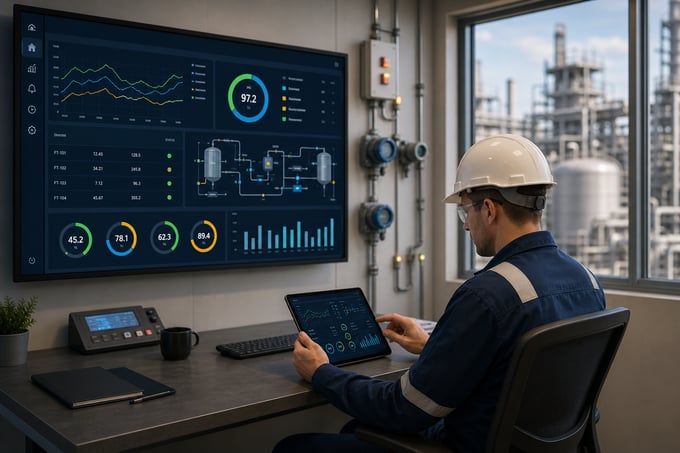
Telemetry monitor readings are real-time data measurements transmitted from remote sensors and equipment to a central monitoring station. These readings provide critical information about system performance, environmental conditions, and operational status. In industrial applications, telemetry systems continuously collect and transmit data about:
- Flow rates and pressure levels
- Tank levels and pump status
- Equipment performance metrics
- Environmental conditions
- Power consumption and system efficiency
The Importance of Accurate Telemetry Readings in Industrial Applications
Accurate telemetry monitor readings are essential for several reasons:
| Benefit | Impact |
|---|---|
| Preventive Maintenance | Identify potential issues before they become critical failures |
| Resource Optimization | Improve efficiency and reduce operational costs |
| Compliance | Meet regulatory requirements and maintain documentation |
| Safety | Ensure safe operating conditions and prevent hazardous situations |
Key Components of Telemetry Monitoring Systems
A comprehensive telemetry monitoring system consists of several essential components working together to provide accurate readings:
1. Sensors and Transducers
These devices convert physical measurements into electrical signals that can be transmitted. Common types include:
- Level sensors for tank monitoring
- Flow meters for measuring liquid movement
- Pressure transducers for system diagnostics
- Temperature sensors for process control
2. Remote Terminal Units (RTUs)
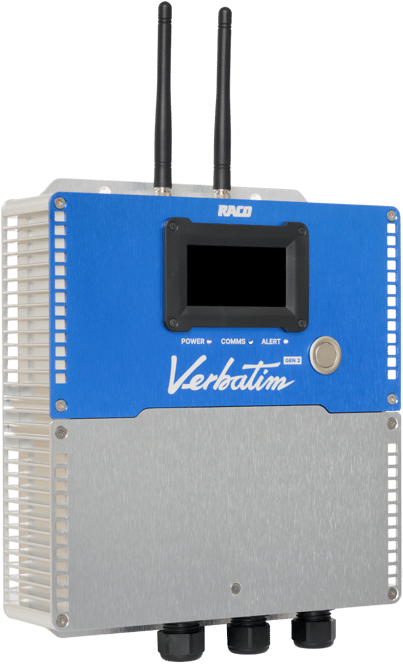
RTUs serve as the intermediary between field sensors and the central monitoring station. RACO's Catalyst™ and Verbatim® RTUs are industry-leading solutions that provide reliable data collection and transmission capabilities.
3. Communication Systems
Modern telemetry systems utilize various communication methods, including:
- Cellular networks (4G/5G)
- Radio frequency (RF) transmission
- Satellite communication
- Ethernet/IP networks
Interpreting Telemetry Monitor Readings
Understanding how to interpret telemetry monitor readings is crucial for making informed operational decisions. Here are key aspects to consider:
Trend Analysis
Monitor readings should be analyzed over time to identify patterns and trends that might indicate:
- Equipment wear and degradation
- System inefficiencies
- Seasonal variations
- Operational anomalies
Alarm Thresholds
Setting appropriate alarm thresholds is critical for effective monitoring. Consider:
| Alarm Type | Purpose | Example |
|---|---|---|
| High-Level | Prevent overflow conditions | Tank level > 90% |
| Low-Level | Maintain minimum operational requirements | Pressure < 20 PSI |
| Rate-of-Change | Detect rapid system changes | Flow rate change > 20% per hour |
Best Practices for Telemetry Monitoring
To maximize the value of your telemetry monitor readings, follow these industry-proven best practices:
1. Regular Calibration
Ensure accuracy by maintaining a regular calibration schedule for all sensors and monitoring equipment. This includes:
- Quarterly sensor verification
- Annual comprehensive calibration
- Documentation of all calibration activities
2. Data Validation
Implement procedures to validate telemetry readings:
- Cross-reference multiple sensor readings
- Compare historical data patterns
- Verify readings against known operational parameters
3. System Maintenance
Regular maintenance of telemetry monitoring systems should include:
- Software updates and patches
- Communication system checks
- Battery replacement schedules
- Physical inspection of equipment
Advanced Features in Modern Telemetry Monitoring
Today's telemetry systems offer advanced capabilities that enhance monitoring effectiveness:
Cloud Integration
Cloud-based monitoring platforms provide:
- Remote access to real-time data
- Automated reporting capabilities
- Data backup and storage
- Integration with other business systems
Predictive Analytics
Modern systems use artificial intelligence and machine learning to:
- Predict equipment failures
- Optimize maintenance schedules
- Identify efficiency improvements
- Reduce operational costs
Conclusion
Effective management of telemetry monitor readings is essential for modern industrial operations. By understanding the components, implementing best practices, and utilizing advanced features, facilities can optimize their operations, reduce costs, and prevent system failures. RACO Manufacturing & Engineering's suite of monitoring solutions provides the tools and expertise needed to implement effective telemetry monitoring systems that deliver reliable, actionable data for improved decision-making.
Recommended Internal Links:
- Remote monitoring systems
- Industrial automation
- SCADA systems
- Alarm monitoring
- Pump station monitoring
- Water treatment monitoring