

Temperature Alert Systems: Essential Monitoring Solutions for Wastewater Treatment Operations


Temperature Alert Systems: Essential Monitoring Solutions for Wastewater Treatment Operations
Temperature monitoring and alert systems play a crucial role in maintaining the efficiency and safety of wastewater treatment operations. When critical temperature thresholds are exceeded, these sophisticated monitoring solutions provide immediate notifications to operators, helping prevent system failures and ensuring regulatory compliance. This comprehensive guide explores how temperature alert systems protect your wastewater infrastructure and optimize treatment processes.
Understanding the Critical Role of Temperature Monitoring in Wastewater Treatment
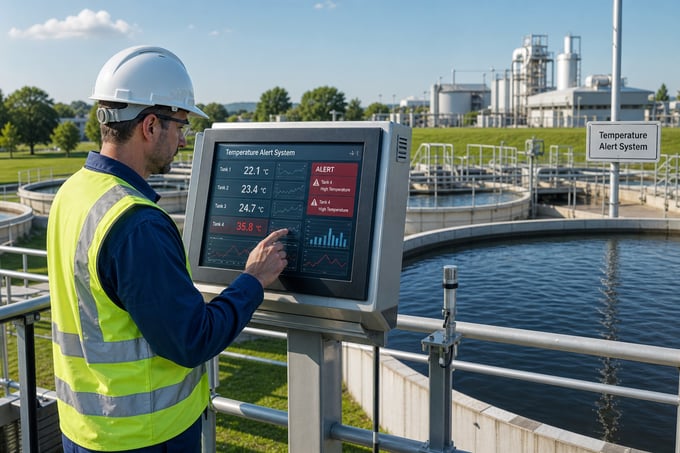
Temperature variations significantly impact biological treatment processes, chemical reactions, and equipment performance in wastewater facilities. Even minor temperature fluctuations can disrupt the delicate balance of beneficial bacteria essential for breaking down organic matter. Modern temp alert systems provide real-time monitoring and instant notifications when temperatures deviate from optimal ranges.
| Process | Optimal Temperature Range | Impact of Temperature Deviation |
|---|---|---|
| Aerobic Digestion | 20-35°C (68-95°F) | Reduced bacterial activity, slower treatment |
| Anaerobic Digestion | 30-38°C (86-100°F) | Decreased methane production, process instability |
| Nitrification | 25-35°C (77-95°F) | Inhibited nitrogen removal, compliance issues |
Key Components of an Effective Temperature Alert System
A comprehensive temp alert solution combines several critical components to ensure reliable monitoring and notification:
1. Temperature Sensors and Probes
High-precision temperature sensors deployed at strategic locations throughout the treatment process provide continuous monitoring. These sensors must be: - Corrosion-resistant - Calibrated regularly - Certified for wastewater applications - Compatible with existing SCADA systems
2. Data Collection and Processing Units
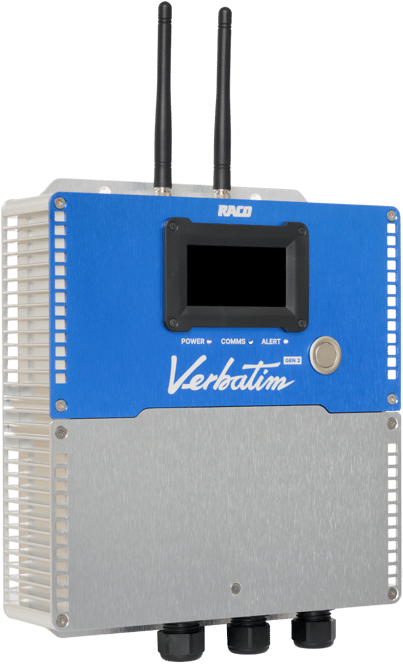
Advanced monitoring systems like RACO's Catalyst and Guard-It utilize sophisticated data processing capabilities to: - Record temperature readings at configurable intervals - Compare readings against preset thresholds - Generate alerts based on user-defined parameters - Store historical data for trend analysis
3. Communication Infrastructure
Reliable communication channels ensure alerts reach operators promptly through: - Cellular networks - Landline telephone systems - Email notifications - SMS text messages - Mobile apps
Benefits of Implementing Temperature Alert Systems
Installing a modern temp alert system offers numerous advantages for wastewater treatment facilities:
Improved Process Control
Real-time temperature monitoring enables operators to: - Maintain optimal biological treatment conditions - Adjust process parameters proactively - Prevent system upsets - Optimize energy consumption
Enhanced Regulatory Compliance
Automated temperature monitoring helps facilities: - Meet discharge permit requirements - Document compliance with temperature limits - Generate required reports automatically - Maintain detailed operational records
Cost Savings
Effective temperature monitoring leads to: - Reduced energy consumption - Lower chemical usage - Decreased maintenance costs - Extended equipment life
Selecting the Right Temperature Alert System
When choosing a temp alert system for your facility, consider these essential factors:
Monitoring Requirements
Evaluate your facility's specific needs: - Number of monitoring points - Required measurement accuracy - Alert threshold settings - Data logging requirements
Integration Capabilities
Ensure compatibility with: - Existing SCADA systems - Plant automation systems - Historical data management - Reporting software
Reliability and Support
Look for systems offering: - 24/7 technical support - Regular software updates - Remote troubleshooting capabilities - Comprehensive warranty coverage
Best Practices for Temperature Alert System Implementation
Follow these guidelines to maximize the effectiveness of your temperature monitoring solution:
Proper Sensor Placement
Install temperature sensors at critical points: - Influent and effluent streams - Aeration basins - Digester tanks - Chemical treatment areas
Alert Configuration
Establish appropriate alert parameters: - Set realistic temperature thresholds - Configure alert priorities - Define escalation procedures - Document response protocols
Staff Training
Ensure operators understand: - System operation - Alert response procedures - Troubleshooting steps - Maintenance requirements
The Future of Temperature Monitoring in Wastewater Treatment
Emerging technologies are enhancing temperature alert systems with: - Artificial intelligence for predictive analytics - Machine learning algorithms for pattern recognition - Cloud-based data management - Advanced visualization tools
Conclusion
Temperature alert systems are essential tools for modern wastewater treatment facilities. By providing real-time monitoring and immediate notifications, these systems help maintain optimal treatment conditions, ensure regulatory compliance, and protect valuable infrastructure. When selecting and implementing a temp alert system, consider your facility's specific needs and choose a solution that offers reliability, integration capabilities, and comprehensive support.
For more information about temperature monitoring solutions for wastewater treatment facilities, contact RACO Manufacturing & Engineering to discuss your specific requirements and find the ideal system for your operation.