

Temperature Devices: A Complete Guide to Industrial Temperature Monitoring Solutions


Temperature Devices: A Complete Guide to Industrial Temperature Monitoring Solutions
In industrial settings, accurate temperature monitoring isn't just about data collection—it's a critical component of safety, efficiency, and regulatory compliance. Whether you're managing a wastewater treatment facility, overseeing manufacturing processes, or maintaining critical infrastructure, understanding temperature devices and their applications can make the difference between optimal operation and costly failures.
Understanding Temperature Devices: The Fundamentals
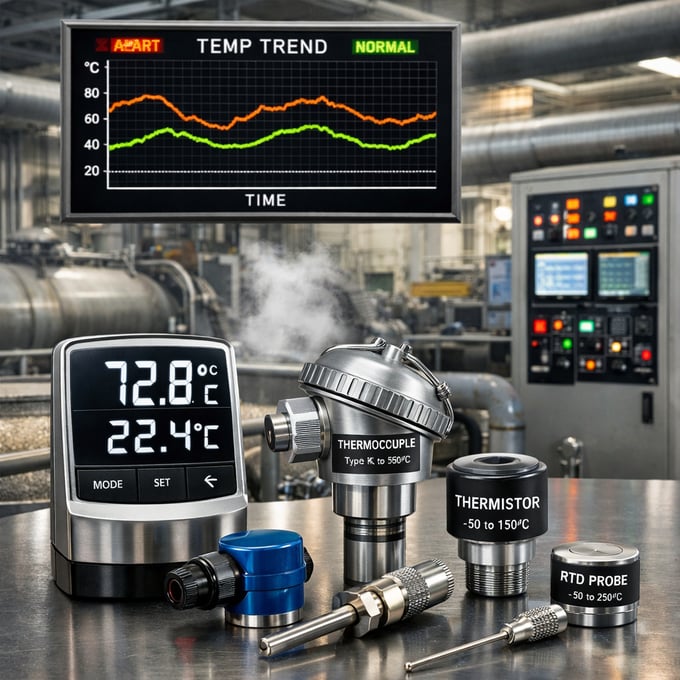
Temperature devices, also known as temperature sensors or temperature monitoring systems, are sophisticated instruments designed to measure and monitor thermal conditions in various industrial applications. These devices range from simple thermometers to complex digital monitoring systems that can integrate with SCADA and other industrial control systems.
Common Types of Industrial Temperature Devices
| Device Type | Applications | Advantages |
|---|---|---|
| Thermocouples | High-temperature industrial processes | Wide temperature range, robust design |
| RTDs (Resistance Temperature Detectors) | Precision temperature monitoring | High accuracy, stability |
| Thermistors | Environmental monitoring | Fast response, high sensitivity |
| Infrared Sensors | Non-contact measurement | Safe distance monitoring, immediate readings |
Critical Applications in Wastewater Treatment
In wastewater treatment facilities, temperature devices play a crucial role in maintaining optimal process conditions. Temperature monitoring is essential for:
- Biological treatment processes where bacterial activity is temperature-dependent
- Anaerobic digestion optimization
- Effluent quality control
- Equipment protection and maintenance
Integration with Alarm Systems
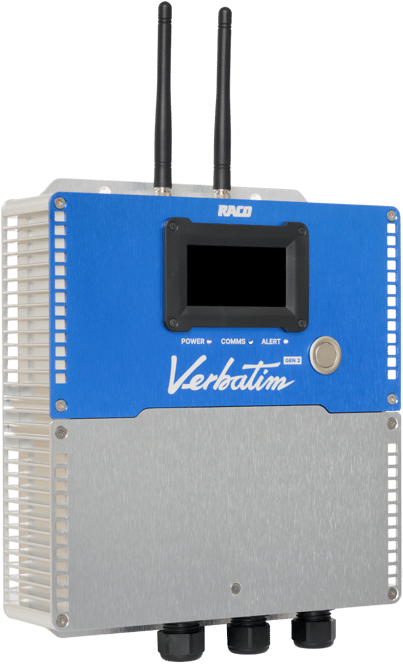
Modern temperature devices can be integrated with advanced alarm systems like those offered by RACO Manufacturing & Engineering. These systems provide real-time monitoring and instant alerts when temperature parameters deviate from preset ranges, ensuring prompt response to potential issues.
Selecting the Right Temperature Device
Choosing the appropriate temperature device requires careful consideration of several factors:
Environmental Considerations
The operating environment significantly impacts device selection. Factors include:
- Ambient temperature ranges
- Exposure to chemicals or corrosive substances
- Moisture levels and weather exposure
- Vibration and mechanical stress
Technical Requirements
Key technical specifications to consider include:
| Specification | Importance |
|---|---|
| Accuracy | Critical for process control and compliance |
| Response Time | Essential for real-time monitoring |
| Measurement Range | Must match application requirements |
| Output Signal Type | Compatibility with existing systems |
Best Practices for Temperature Device Implementation
Successful implementation of temperature devices requires attention to several key areas:
Installation Considerations
Proper installation ensures accurate readings and reliable operation:
- Follow manufacturer guidelines for mounting and orientation
- Consider thermal wells for fluid applications
- Ensure proper electrical connections and shielding
- Implement redundancy for critical applications
Maintenance and Calibration
Regular maintenance is essential for long-term reliability:
- Establish calibration schedules based on application requirements
- Document calibration procedures and results
- Train personnel on proper maintenance techniques
- Monitor device performance trends
Integration with Control Systems
Modern temperature devices can be integrated with various control systems for comprehensive monitoring and automation. RACO's alarm monitoring systems can be configured to:
- Send alerts via phone, email, or text message
- Log temperature data for trend analysis
- Trigger automated responses to temperature events
- Generate reports for compliance documentation
Future Trends in Temperature Monitoring
The field of temperature monitoring continues to evolve with new technologies and capabilities:
- IoT integration for remote monitoring
- Advanced analytics for predictive maintenance
- Wireless sensor networks
- Cloud-based data management
Conclusion
Temperature devices are fundamental components in industrial monitoring and control systems. By understanding their types, applications, and implementation best practices, organizations can ensure optimal process control and regulatory compliance. For expert guidance on integrating temperature devices with alarm monitoring systems, contact RACO Manufacturing & Engineering to discuss your specific requirements.
Recommended Internal Links:
- Industrial Automation Systems
- SCADA Integration
- Alarm Monitoring Solutions
- Wastewater Treatment Controls
- Remote Monitoring Systems