

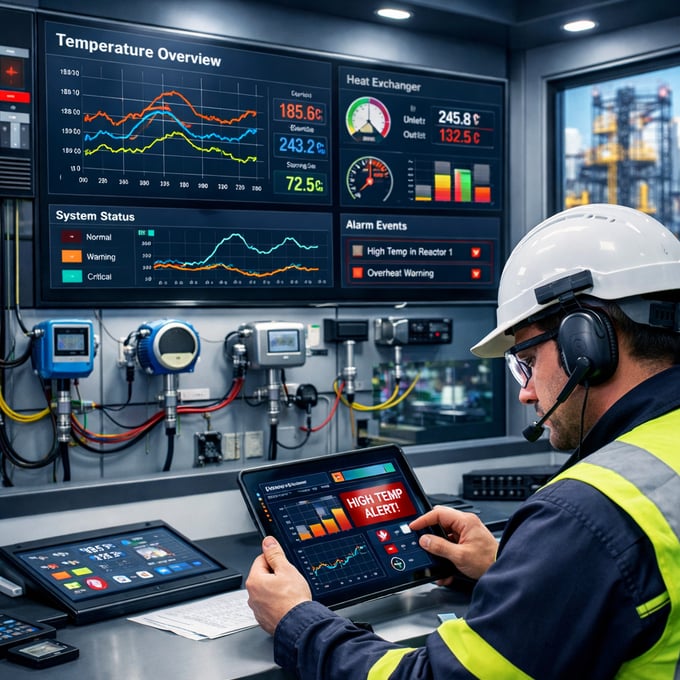
Temperature Monitoring Equipment: A Comprehensive Guide to Industrial Applications and Best Practices


Temperature Monitoring Equipment: A Comprehensive Guide to Industrial Applications and Best Practices
In today's industrial landscape, precise temperature monitoring is not just a luxury—it's a critical necessity that can mean the difference between optimal operations and costly failures. Whether you're managing a wastewater treatment facility, overseeing manufacturing processes, or maintaining sensitive equipment, understanding and implementing the right temperature monitoring equipment is essential for success.
Understanding Temperature Monitoring Equipment Fundamentals
Temperature monitoring equipment encompasses a wide range of devices and systems designed to measure, record, and report temperature data in various industrial applications. These systems serve as the frontline defense against equipment failure, process inefficiencies, and potential safety hazards.
Key Components of Temperature Monitoring Systems
| Component | Function | Common Applications |
|---|---|---|
| Sensors | Temperature detection and measurement | Equipment monitoring, process control |
| Transmitters | Signal conversion and transmission | Remote monitoring, data collection |
| Data Loggers | Recording and storing temperature data | Compliance reporting, trend analysis |
| Alarm Systems | Alert notification | Critical temperature deviation warnings |
Types of Temperature Sensors and Their Applications
Different industrial applications require specific types of temperature sensors. Understanding these variations is crucial for selecting the right equipment for your needs.
Thermocouples
Thermocouples are versatile, cost-effective sensors that operate on the Seebeck effect, generating a voltage based on temperature differences. They're ideal for high-temperature applications and offer quick response times.
RTDs (Resistance Temperature Detectors)
RTDs provide superior accuracy and stability compared to thermocouples, making them perfect for precision applications in wastewater treatment and pharmaceutical manufacturing.
Thermistors
These sensors offer high sensitivity to temperature changes and are excellent for applications requiring precise measurements within a limited temperature range.
Advanced Features in Modern Temperature Monitoring Systems
Today's temperature monitoring equipment goes beyond simple measurement, incorporating advanced features that enhance functionality and reliability:
Remote Monitoring Capabilities
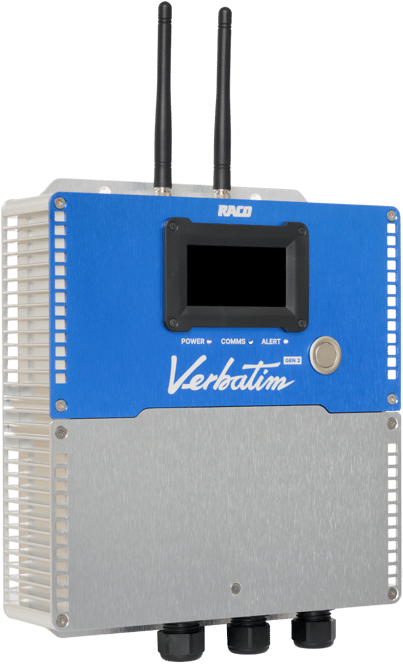
Modern systems enable real-time monitoring from anywhere, utilizing cellular networks or internet connectivity to provide instant access to temperature data and alerts. RACO's Catalyst and Guard-It systems exemplify this capability, offering comprehensive remote monitoring solutions.
Data Analytics and Reporting
Advanced systems include sophisticated analytics tools that help identify patterns, predict maintenance needs, and generate detailed compliance reports.
Integration Capabilities
Modern temperature monitoring equipment can integrate with existing SCADA systems, building management systems, and other industrial control networks.
Industry-Specific Applications
Wastewater Treatment
Temperature monitoring is crucial in wastewater treatment processes, particularly for:
- Biological treatment optimization - Digester performance monitoring - Equipment protection - Compliance reportingManufacturing and Processing
In manufacturing environments, temperature monitoring equipment serves several critical functions:
- Quality control in production processes - Equipment protection - Energy efficiency optimization - Safety complianceBest Practices for Implementation
Successfully implementing temperature monitoring equipment requires careful planning and execution:
System Design Considerations
- Conduct a thorough assessment of monitoring requirements
- Consider environmental factors affecting sensor placement
- Plan for redundancy in critical applications
- Ensure proper calibration procedures are established
Maintenance and Calibration
Regular maintenance and calibration are essential for reliable temperature monitoring:
- Establish calibration schedules based on manufacturer recommendations - Document all maintenance activities - Train staff on proper maintenance procedures - Implement verification protocolsSelecting the Right Temperature Monitoring Solution
When choosing temperature monitoring equipment, consider these key factors:
| Factor | Considerations |
|---|---|
| Temperature Range | Required measurement range and accuracy |
| Environmental Conditions | Exposure to moisture, chemicals, vibration |
| Response Time | How quickly measurements need to be taken |
| Integration Requirements | Compatibility with existing systems |
Future Trends in Temperature Monitoring
The field of temperature monitoring continues to evolve with emerging technologies:
- IoT integration for enhanced connectivity - AI-powered predictive maintenance - Advanced analytics capabilities - Improved sensor technologiesConclusion
Effective temperature monitoring equipment is fundamental to industrial operations, safety, and compliance. By understanding the available options, implementing best practices, and staying current with technological advances, organizations can ensure their temperature monitoring systems meet both current needs and future challenges.
Recommended Internal Links:
- Industrial automation systems - Remote monitoring solutions - SCADA systems - Wastewater treatment equipment - Industrial sensors - Alarm notification systemsContact RACO Manufacturing & Engineering to learn more about our advanced temperature monitoring solutions and how they can benefit your operations.