

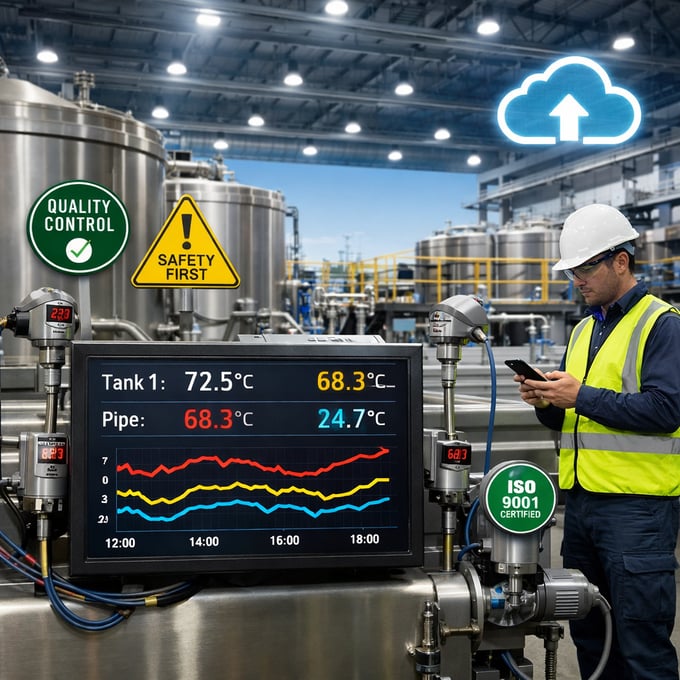
Temperature Monitoring Solutions: A Comprehensive Guide to Industrial Temperature Control Systems


Temperature Monitoring Solutions: A Comprehensive Guide to Industrial Temperature Control Systems
Temperature monitoring is critical across numerous industrial applications, from wastewater treatment to pharmaceutical manufacturing. When temperature variations of even a few degrees can impact product quality, regulatory compliance, or process efficiency, implementing reliable temperature monitoring solutions becomes essential for operational success.
Understanding the Importance of Temperature Monitoring
Temperature monitoring solutions serve as the backbone of quality control and safety protocols in industrial settings. These systems provide real-time data, historical trending, and immediate alerts when temperatures deviate from acceptable ranges. The implications of inadequate temperature monitoring can be severe:
| Industry | Impact of Temperature Deviation | Critical Requirements |
|---|---|---|
| Wastewater Treatment | Compromised biological treatment processes | Continuous monitoring of basin temperatures |
| Food & Beverage | Product spoilage, safety concerns | HACCP compliance, cold chain maintenance |
| Pharmaceutical | Product degradation, compliance violations | FDA-compliant monitoring systems |
Key Components of Modern Temperature Monitoring Solutions
A comprehensive temperature monitoring system consists of several integrated components working together to ensure accurate and reliable temperature control:
1. Temperature Sensors
Modern industrial temperature sensors utilize various technologies:
- Thermocouples for high-temperature applications - RTD sensors for precise measurements - Thermistors for specific temperature ranges - Digital temperature sensors with built-in signal processing2. Data Collection and Processing Units
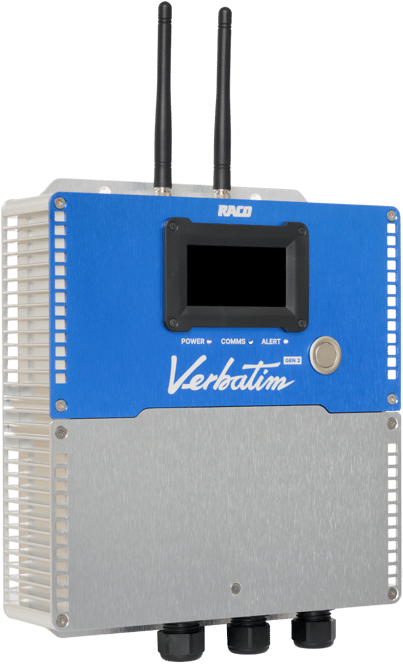
The heart of any temperature monitoring solution is its data processing capability. Advanced systems like RACO's Catalyst™ integrate seamlessly with temperature sensors to provide:
- Real-time temperature data collection - Automated data logging - Trend analysis capabilities - Custom alarm thresholds3. Communication Systems
Modern temperature monitoring solutions leverage multiple communication protocols to ensure reliable data transmission:
- Cellular networks for remote monitoring - Ethernet connectivity for local networks - Radio telemetry for challenging environments - Cloud-based data storage and accessAdvanced Features of Contemporary Temperature Monitoring Solutions
Today's temperature monitoring systems offer sophisticated capabilities that go beyond basic measurement:
Remote Monitoring and Control
Remote monitoring capabilities allow operators to:
- Access temperature data from anywhere via mobile devices - Receive instant notifications of temperature anomalies - Adjust setpoints and parameters remotely - Generate automated reports for compliance purposesPredictive Analytics
Advanced analytics help facilities:
- Identify potential equipment failures before they occur - Optimize energy consumption - Reduce maintenance costs - Improve overall system efficiencyImplementing Temperature Monitoring Solutions in Wastewater Treatment
In wastewater treatment facilities, temperature monitoring solutions play a crucial role in maintaining optimal treatment conditions. Key applications include:
Biological Treatment Processes
Temperature directly affects the efficiency of biological treatment processes. Monitoring systems help maintain optimal conditions for:
- Aerobic digestion (optimal range: 20-30°C) - Anaerobic digestion (optimal range: 35-37°C) - Nitrification processes - Biological nutrient removalEquipment Protection
Temperature monitoring helps protect critical equipment by:
- Preventing overheating of pumps and motors - Monitoring bearing temperatures - Ensuring proper cooling system operation - Triggering automated shutdown procedures when necessaryBest Practices for Temperature Monitoring Implementation
To maximize the effectiveness of temperature monitoring solutions:
1. System Design Considerations
- Conduct thorough site assessments - Choose appropriate sensor types and locations - Implement redundant monitoring where critical - Design for future scalability
2. Maintenance and Calibration
- Establish regular calibration schedules - Document maintenance procedures - Train staff on system operation - Maintain backup sensors for critical points
3. Data Management and Analysis
- Implement automated data backup systems - Establish data retention policies - Create regular reporting schedules - Develop response procedures for temperature alerts
Selecting the Right Temperature Monitoring Solution
When choosing a temperature monitoring solution, consider:
| Factor | Considerations |
|---|---|
| Accuracy Requirements | Process specifications, regulatory requirements |
| Environmental Conditions | Temperature ranges, humidity, chemical exposure |
| Communication Needs | Local vs. remote monitoring, integration requirements |
| Scalability | Future expansion plans, system flexibility |
Conclusion
Implementing effective temperature monitoring solutions is crucial for maintaining efficient operations and ensuring regulatory compliance across industrial applications. RACO's advanced monitoring systems provide the reliability, accuracy, and functionality needed to meet these challenges head-on. By choosing the right temperature monitoring solution and following best practices for implementation and maintenance, facilities can optimize their processes while protecting valuable equipment and ensuring product quality.
Ready to upgrade your temperature monitoring capabilities? Contact RACO's experts today to discuss your specific requirements and discover how our advanced monitoring solutions can benefit your facility.