

Temperature Monitoring Systems: A Comprehensive Guide to Industrial Applications and Best Practices


Temperature Monitoring Systems: A Comprehensive Guide to Industrial Applications and Best Practices
Temperature monitoring systems play a crucial role in modern industrial operations, particularly in wastewater treatment, manufacturing, and critical infrastructure management. These sophisticated systems serve as the first line of defense against equipment failure, process inefficiencies, and potential safety hazards. Understanding how to implement and maintain these systems effectively can mean the difference between optimal operation and costly downtime.
Understanding Temperature Monitoring Systems
Temperature monitoring systems are integrated networks of sensors, data loggers, and control interfaces that continuously track and record temperature variations across multiple points in an industrial process. These systems provide real-time insights into operational conditions, helping facilities maintain optimal performance while preventing equipment damage and process failures.
Key Components of Temperature Monitoring Systems
| Component | Function | Importance |
|---|---|---|
| Temperature Sensors | Detect and measure temperature changes | Primary data collection point |
| Data Loggers | Record and store temperature readings | Historical data analysis |
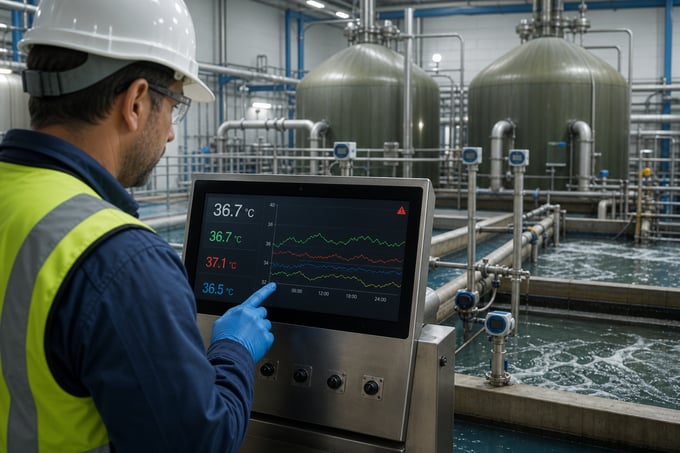
| Control Interface | Display readings and manage settings | User interaction and control |
| Alarm Systems | Alert operators to temperature anomalies | Emergency response initiation |
Applications in Wastewater Treatment
In wastewater treatment facilities, temperature monitoring systems are essential for maintaining optimal biological treatment processes and ensuring equipment longevity. These systems monitor critical points throughout the treatment process, from influent temperature to digester operations.
Critical Monitoring Points in Wastewater Treatment
1. Anaerobic Digesters: Temperature monitoring ensures optimal bacterial activity for biogas production and solid reduction.
2. Aeration Basins: Maintaining proper temperature ranges for biological activity and oxygen transfer efficiency.
3. Equipment Bearings: Preventing overheating in pumps, blowers, and other rotating equipment.
Industrial Applications and Benefits
Temperature monitoring systems provide numerous advantages across various industrial applications:
Preventive Maintenance
By tracking temperature trends in equipment and processes, facilities can identify potential issues before they lead to failures. This predictive approach to maintenance can significantly reduce downtime and repair costs.
Energy Efficiency
Continuous temperature monitoring helps optimize heating and cooling processes, leading to reduced energy consumption and lower operational costs. For example, in wastewater treatment, maintaining optimal temperatures in digesters can improve biogas production efficiency by up to 25%.
Quality Control
Temperature monitoring ensures consistent product quality in manufacturing processes and maintains compliance with regulatory requirements in treatment facilities.
Selecting the Right Temperature Monitoring System
When choosing a temperature monitoring system, consider these essential factors:
System Requirements Analysis
| Factor | Considerations |
|---|---|
| Measurement Range | Required temperature range for accurate monitoring |
| Environmental Conditions | Exposure to moisture, chemicals, or extreme temperatures |
| Accuracy Requirements | Precision needed for specific applications |
| Integration Capabilities | Compatibility with existing SCADA or control systems |
Advanced Features and Technologies
Modern temperature monitoring systems incorporate several advanced features:
Remote Monitoring Capabilities
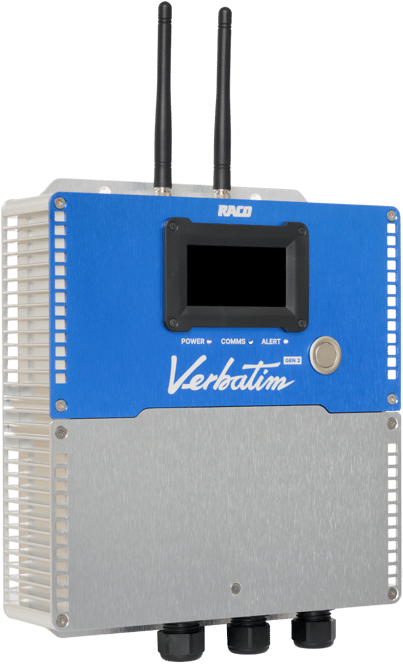
RACO's Catalyst® and AlarmAgent® systems enable remote temperature monitoring through cellular networks, allowing operators to access real-time data and receive alerts from anywhere. This connectivity ensures immediate response to temperature anomalies, even during off-hours.
Data Analytics and Reporting
Advanced systems provide comprehensive data analysis tools, generating insights for process optimization and compliance reporting. These features help facilities identify patterns and make data-driven decisions for improved operations.
Implementation Best Practices
Successful implementation of temperature monitoring systems requires careful planning and execution:
Installation Considerations
1. Sensor Placement: Strategic positioning of sensors at critical monitoring points
2. Calibration: Regular calibration schedules to maintain accuracy
3. Backup Systems: Redundancy for critical monitoring points
4. Training: Comprehensive staff training on system operation and maintenance
Maintenance and Troubleshooting
Regular maintenance ensures reliable operation of temperature monitoring systems:
Preventive Maintenance Schedule
| Task | Frequency | Purpose |
|---|---|---|
| Sensor Calibration | Quarterly | Maintain accuracy |
| System Testing | Monthly | Verify proper operation |
| Data Backup | Weekly | Protect historical data |
Future Trends in Temperature Monitoring
The field of temperature monitoring continues to evolve with emerging technologies:
- Integration of AI and machine learning for predictive analytics
- Enhanced IoT connectivity for improved data collection and analysis
- Development of more robust and accurate sensing technologies
Conclusion
Temperature monitoring systems are essential tools for modern industrial operations, particularly in wastewater treatment facilities. By understanding system components, implementation best practices, and maintenance requirements, facilities can maximize the benefits of these crucial monitoring systems. For optimal results, consider partnering with experienced providers like RACO Manufacturing & Engineering to ensure reliable, efficient temperature monitoring solutions.
Recommended Internal Links:
- Remote monitoring solutions - SCADA systems - Industrial automation - Wastewater treatment monitoring - Alarm notification systems - Process control systems