

Tertiary Wastewater Treatment: Advanced Processes for Superior Water Quality


Tertiary Wastewater Treatment: Advanced Processes for Superior Water Quality
As municipalities and industries face increasingly stringent environmental regulations and growing water scarcity concerns, tertiary wastewater treatment has become an essential component of modern water management systems. This advanced treatment stage, also known as advanced treatment, goes beyond primary and secondary treatment to produce higher quality effluent suitable for reuse or environmental discharge.
Understanding Tertiary Wastewater Treatment
Tertiary wastewater treatment represents the final stage of the water treatment process, designed to remove specific contaminants that remain after primary and secondary treatment. This advanced process typically targets:
- Suspended solids
- Dissolved solids
- Nutrients (nitrogen and phosphorus)
- Heavy metals
- Bacteria and viruses
- Organic compounds
Key Components of Tertiary Treatment Systems
Modern tertiary treatment facilities employ various advanced processes to achieve superior water quality. Here are the primary components and their functions:
| Component | Function | Removal Efficiency |
|---|---|---|
| Filtration Systems | Remove fine particles and suspended solids | 95-99% |
| Nutrient Removal | Eliminate excess nitrogen and phosphorus | 80-95% |
| Disinfection | Eliminate harmful pathogens | 99.9% |
Advanced Filtration Technologies
Filtration plays a crucial role in tertiary treatment, utilizing various methods to remove particles and contaminants:
Membrane Filtration
Membrane systems, including microfiltration, ultrafiltration, and reverse osmosis, provide exceptional filtration capabilities. These technologies can remove particles as small as 0.001 microns, ensuring superior water quality.
Sand Filtration
Traditional sand filters remain effective for removing larger particles and can be enhanced with multimedia configurations for improved performance.
Nutrient Removal Processes
Excessive nutrients in water bodies can lead to algal blooms and ecosystem disruption. Advanced nutrient removal processes include:
Biological Nutrient Removal (BNR)
BNR systems use specialized bacteria to remove nitrogen and phosphorus through processes like nitrification and denitrification.
Chemical Precipitation
Chemical additives help precipitate phosphorus and other contaminants for easier removal.
Monitoring and Control Systems in Tertiary Treatment
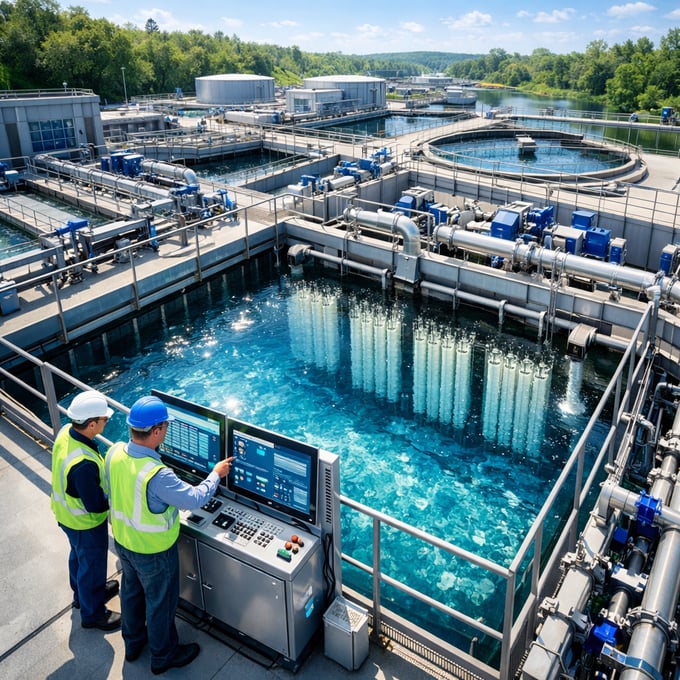
Effective monitoring and control systems are crucial for maintaining optimal treatment performance. Modern facilities employ:
- Advanced SCADA systems for real-time monitoring
- Automated chemical dosing systems
- Remote monitoring capabilities
- Alarm systems for process deviations
The Role of Automation in Treatment Efficiency
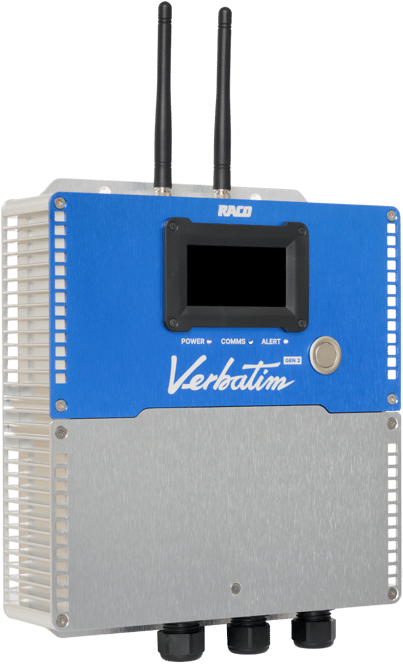
Automation systems, such as those provided by RACO Manufacturing & Engineering, play a vital role in maintaining treatment efficiency. These systems offer:
- Real-time process monitoring and adjustment
- Early warning detection for system failures
- Data logging and reporting capabilities
- Remote access and control features
Benefits of Tertiary Wastewater Treatment
Implementing tertiary treatment offers numerous advantages:
| Benefit | Impact |
|---|---|
| Environmental Protection | Reduced impact on receiving water bodies |
| Water Reuse Opportunities | Creation of high-quality water suitable for various applications |
| Regulatory Compliance | Meeting or exceeding discharge requirements |
| Public Health Protection | Reduced risk of waterborne diseases |
Implementation Considerations
When implementing tertiary treatment systems, facilities should consider:
Cost Factors
Initial investment and operational costs must be weighed against long-term benefits and regulatory requirements.
Space Requirements
Additional treatment processes may require significant space allocation within existing facilities.
Operator Training
Advanced treatment systems require skilled operators and ongoing training programs.
Future Trends in Tertiary Treatment
The field of tertiary wastewater treatment continues to evolve with emerging technologies and approaches:
- Advanced oxidation processes
- Membrane bioreactor systems
- Smart monitoring and control systems
- Energy-efficient treatment solutions
Conclusion
Tertiary wastewater treatment represents the cutting edge of water quality management, offering superior pollutant removal and enabling water reuse opportunities. As environmental regulations become stricter and water scarcity increases, the importance of these advanced treatment processes will continue to grow.
For optimal operation of tertiary treatment systems, reliable monitoring and control solutions are essential. RACO Manufacturing & Engineering provides industry-leading automation and monitoring systems that help facilities maintain efficient operations and ensure compliance with regulatory requirements.