

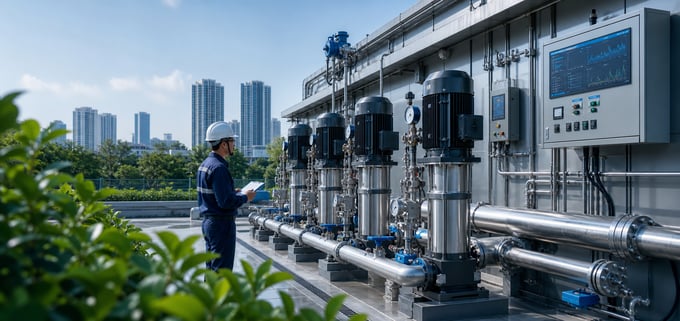


Booster Pump Stations: The Complete Guide to Water Pressure Management
Managing water pressure effectively across municipal water systems and industrial applications presents a significant challenge for utilities and facility managers. Booster pump stations play a crucial role in maintaining consistent water pressure and flow, ensuring reliable water delivery to homes, businesses, and industrial facilities. This comprehensive guide explores everything you need to know about booster pump stations, from their fundamental operations to advanced monitoring solutions.
What is a Booster Pump Station?
A booster pump station is a specialized facility designed to increase water pressure in distribution systems where natural gravity flow or existing pressure is insufficient. These stations are essential components of water infrastructure, particularly in areas with varying elevations or long-distance water transmission requirements.
Key Components of a Booster Pump Station
Modern booster pump stations comprise several critical components working together to ensure reliable operation:
| Component | Function |
|---|---|
| Pumps | Primary units responsible for increasing water pressure |
| Motors | Power sources driving the pumps |
| Control Panel | Houses automation and monitoring systems |
| Pressure Sensors | Monitor inlet and outlet pressure |
| Valves | Control water flow and prevent backflow |
Applications of Booster Pump Stations
Booster pump stations serve various critical applications across different sectors:
Municipal Water Systems
In municipal applications, booster pump stations ensure consistent water pressure throughout the distribution network, particularly in:
- High-rise buildings - Elevated neighborhoods - Areas far from main water sources - Regions with significant elevation changesIndustrial Applications
Industries rely on booster pump stations for:
- Process water distribution - Cooling system circulation - Manufacturing operations - Fire protection systemsMonitoring and Control Systems for Booster Pump Stations
Modern booster pump stations require sophisticated monitoring and control systems to maintain optimal performance. Advanced SCADA systems and remote monitoring solutions provide real-time oversight of critical parameters:
Essential Monitoring Parameters
| Parameter | Importance |
|---|---|
| Pressure Readings | Ensures consistent water delivery pressure |
| Flow Rates | Monitors water consumption patterns |
| Pump Status | Tracks operational conditions |
| Power Consumption | Monitors energy efficiency |
Remote Monitoring Solutions
Implementing remote monitoring solutions for booster pump stations offers numerous advantages:
Benefits of Remote Monitoring
1. Real-time performance tracking 2. Immediate alert notifications 3. Reduced maintenance costs 4. Improved operational efficiency 5. Enhanced system reliability
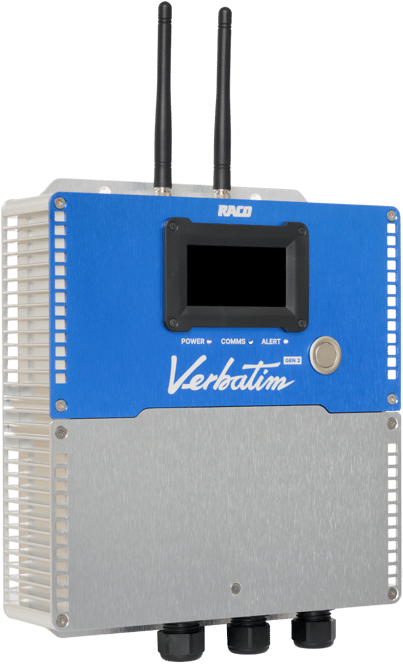
RACO Manufacturing's Catalyst™ and AlarmAgent.com® systems provide comprehensive remote monitoring solutions specifically designed for booster pump stations. These systems enable operators to:
- Monitor pressure fluctuations in real-time - Receive instant alerts for system anomalies - Track historical performance data - Generate detailed operational reports - Access system information from any locationMaintenance Best Practices
Regular maintenance is crucial for ensuring reliable booster pump station operation. A comprehensive maintenance program should include:
Preventive Maintenance Schedule
| Task | Frequency |
|---|---|
| Pump Inspection | Monthly |
| Control System Testing | Quarterly |
| Valve Maintenance | Semi-annually |
| Complete System Audit | Annually |
Energy Efficiency Considerations
Optimizing energy efficiency in booster pump stations is crucial for reducing operational costs and environmental impact. Key strategies include:
- Implementing variable frequency drives (VFDs) - Selecting energy-efficient pumps - Optimizing pump scheduling - Regular efficiency monitoring - Proper sizing of system componentsCommon Challenges and Solutions
Operators of booster pump stations frequently encounter several challenges:
| Challenge | Solution |
|---|---|
| Pressure Fluctuations | Install advanced pressure control systems |
| Equipment Failure | Implement predictive maintenance programs |
| Energy Costs | Optimize pump efficiency and scheduling |
| Remote Location Issues | Deploy remote monitoring solutions |
Future Trends in Booster Pump Station Technology
The future of booster pump stations is being shaped by several emerging technologies:
- AI-powered predictive maintenance - IoT integration for enhanced monitoring - Smart pressure management systems - Energy-efficient pump designs - Advanced automation capabilitiesConclusion
Booster pump stations remain critical infrastructure components for maintaining reliable water pressure in various applications. By implementing proper monitoring solutions, following maintenance best practices, and staying current with technological advancements, operators can ensure optimal performance and efficiency of their booster pump stations.
For more information about remote monitoring solutions for booster pump stations, contact RACO Manufacturing's experts or visit our product pages for Catalyst™ and AlarmAgent.com® systems.