

Understanding Differential Pressure in Wastewater Systems: A Comprehensive Guide


Understanding Differential Pressure in Wastewater Systems: A Comprehensive Guide
In wastewater treatment and monitoring, understanding differential pressure is crucial for maintaining efficient operations and preventing system failures. As facilities face increasing demands for reliability and efficiency, mastering this fundamental concept becomes even more critical. This comprehensive guide will explore differential pressure, its applications in wastewater systems, and how to effectively monitor it for optimal performance.
What is Differential Pressure?
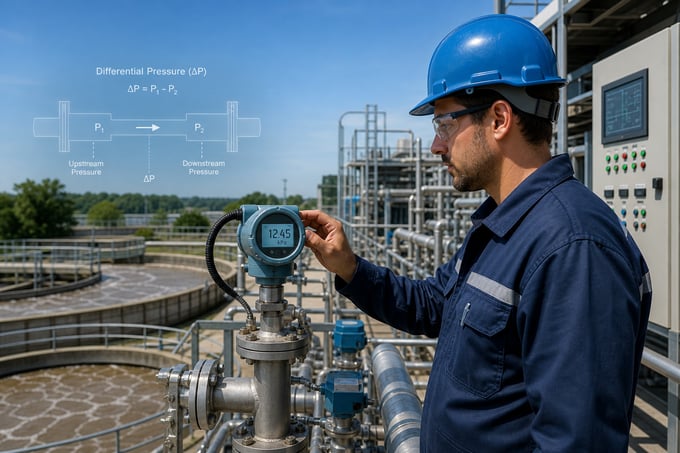
Differential pressure (DP) is the difference in pressure between two points in a system. In wastewater applications, this measurement is essential for monitoring flow rates, filter conditions, and system performance. The formula for differential pressure is simple:
Applications of Differential Pressure in Wastewater Systems
Differential pressure measurements serve several critical functions in wastewater treatment:
1. Filter Monitoring
One of the most common applications is monitoring filter performance. As filters collect debris and become clogged, the pressure difference across the filter increases. This measurement helps operators:
- Determine optimal filter cleaning schedules - Prevent filter damage from excessive pressure - Maintain system efficiency - Reduce energy costs2. Flow Measurement
Differential pressure flow meters use the relationship between pressure and flow rate to measure fluid movement through pipes. This application is particularly valuable in:
- Primary treatment monitoring - Sludge flow measurement - Chemical dosing systems - Distribution system management3. Level Measurement
In tanks and reservoirs, differential pressure sensors can accurately measure liquid levels by comparing the pressure at the bottom of the tank to atmospheric pressure.
Common Challenges in Differential Pressure Monitoring
| Challenge | Impact | Solution |
|---|---|---|
| Sensor Fouling | Inaccurate readings | Regular maintenance and self-cleaning sensors |
| Temperature Effects | Measurement drift | Temperature compensation systems |
| Calibration Drift | Unreliable data | Regular calibration checks and automated monitoring |
Best Practices for Differential Pressure Monitoring
To ensure accurate and reliable differential pressure monitoring in wastewater systems, consider these essential practices:
1. Proper Sensor Selection
Choose sensors designed specifically for wastewater applications, considering factors such as:
- Chemical resistance - Temperature range - Pressure range - Accuracy requirements - Communication protocols2. Installation Considerations
Proper installation is crucial for accurate measurements. Key factors include:
- Correct orientation - Adequate straight pipe runs - Proper impulse line installation - Protection from vibration - Access for maintenance3. Remote Monitoring Integration
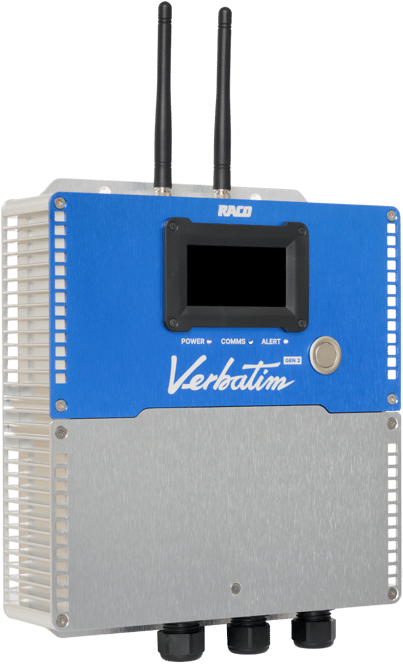
Modern wastewater facilities benefit from integrated monitoring systems. RACO's Verbatim Gateway and AlarmAgent.com platforms provide:
- Real-time differential pressure monitoring - Automated alarm notifications - Trend analysis capabilities - Remote access to system data - Integration with SCADA systemsAdvanced Differential Pressure Monitoring Solutions
Today's wastewater facilities require sophisticated monitoring solutions. Advanced systems offer:
Smart Sensors
Modern differential pressure sensors include features like:
- Self-diagnostics - Digital communication - Built-in temperature compensation - Advanced signal processing - Predictive maintenance capabilitiesData Analytics
Leveraging data analytics helps facilities:
- Identify trends - Predict maintenance needs - Optimize system performance - Reduce operating costs - Improve compliance reportingThe Role of Automation in Differential Pressure Monitoring
Automation systems play a crucial role in modern differential pressure monitoring. RACO's monitoring solutions provide:
Maintenance and Troubleshooting
Regular maintenance is essential for reliable differential pressure monitoring. Key maintenance tasks include:
Preventive Maintenance
- Regular sensor cleaning - Calibration checks - Impulse line inspection - Seal replacement - Documentation reviewTroubleshooting Common Issues
When problems arise, systematic troubleshooting helps identify and resolve issues quickly:
| Symptom | Possible Cause | Resolution |
|---|---|---|
| Erratic Readings | Air in lines | Bleed lines and check for leaks |
| Zero Drift | Calibration error | Recalibrate sensor |
| No Response | Power/signal issue | Check connections and power supply |
Conclusion
Understanding and properly monitoring differential pressure is essential for efficient wastewater system operation. By implementing appropriate monitoring solutions, following best practices, and maintaining regular maintenance schedules, facilities can ensure reliable operation and optimal performance. RACO's monitoring solutions provide the tools needed to effectively manage differential pressure monitoring and maintain system efficiency.
Ready to optimize your differential pressure monitoring system? Contact RACO today to learn how our solutions can help improve your facility's performance and reliability.