


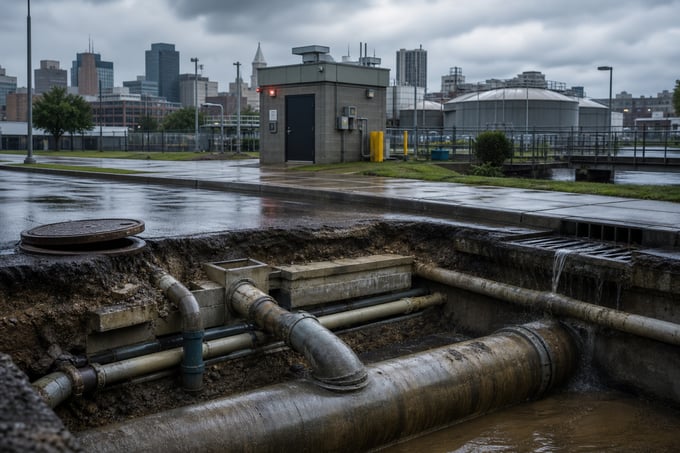
Understanding Modern Sewer Systems: A Comprehensive Guide to Wastewater Infrastructure


Understanding Modern Sewer Systems: A Comprehensive Guide to Wastewater Infrastructure
Modern civilization relies heavily on infrastructure that often goes unnoticed until problems arise. Among these critical systems, sewer systems stand as one of humanity's most important yet least appreciated achievements. These complex networks of pipes, pumps, and treatment facilities protect public health and the environment while supporting urban development and economic growth.
What Are Sewer Systems?
Sewer systems are sophisticated networks designed to collect, transport, and treat wastewater from residential, commercial, and industrial sources. These systems protect public health by preventing the spread of waterborne diseases and maintaining environmental quality through proper waste management.
Key Components of Modern Sewer Systems
| Component | Function |
|---|---|
| Collection Pipes | Transport wastewater from buildings to main sewer lines |
| Manholes | Provide access points for maintenance and inspection |
| Lift Stations | Pump wastewater to higher elevations when gravity flow isn't possible |
| Treatment Plants | Process wastewater to remove contaminants before environmental release |
Types of Sewer Systems
1. Sanitary Sewer Systems
Sanitary sewers specifically handle wastewater from buildings, including water from toilets, sinks, showers, and industrial processes. These systems require careful monitoring and control to prevent overflows and maintain proper function.
2. Storm Sewer Systems
Storm sewers manage rainwater and surface runoff, preventing flooding and protecting infrastructure. These systems often incorporate features like retention ponds and infiltration basins to manage water flow during heavy rainfall events.
3. Combined Sewer Systems
Found in older cities, combined systems handle both sanitary wastewater and stormwater in the same pipes. While cost-effective initially, these systems can become overwhelmed during heavy rainfall, leading to combined sewer overflows (CSOs).
Modern Monitoring and Control Solutions
Today's sewer systems benefit from advanced monitoring and control technologies that help prevent failures and optimize performance. RACO Manufacturing & Engineering's alarm systems play a crucial role in this monitoring process.
Essential Monitoring Parameters
| Parameter | Importance | Monitoring Method |
|---|---|---|
| Flow Rate | Prevents system overload | Flow meters with remote monitoring |
| Level | Indicates potential blockages | Level sensors with alarm capabilities |
| Pump Status | Ensures continuous operation | Status monitors with automatic notification |
| Water Quality | Monitors treatment effectiveness | Chemical and biological sensors |
Common Challenges in Sewer System Management
Managing sewer systems presents numerous challenges that require vigilant monitoring and rapid response capabilities:
Infrastructure Aging
Many sewer systems in the United States are reaching or exceeding their designed lifespan, leading to increased maintenance needs and potential failures. Regular monitoring and preventive maintenance are essential for extending infrastructure life.
Capacity Issues
Urban growth often strains existing sewer systems beyond their designed capacity. Smart monitoring solutions help utilities identify and address capacity issues before they become critical problems.
Environmental Compliance
Strict regulations govern sewer system operation and discharge quality. Advanced monitoring systems help utilities maintain compliance and document performance.
Best Practices for Sewer System Management
1. Implement Comprehensive Monitoring
Install reliable alarm systems and monitoring equipment at critical points throughout the network. RACO's alarm systems provide real-time alerts and data logging capabilities essential for effective system management.
2. Develop Preventive Maintenance Programs
Regular inspection and maintenance prevent costly emergencies and extend system life. Modern monitoring technology helps prioritize maintenance activities based on actual system conditions.
3. Plan for Future Growth
Consider future development and climate change impacts when upgrading sewer infrastructure. Smart monitoring systems provide valuable data for capacity planning and system optimization.
The Future of Sewer Systems
Emerging technologies are transforming sewer system management:
- Smart sensors and IoT integration for real-time monitoring
- Advanced analytics for predictive maintenance
- Sustainable treatment technologies
- Green infrastructure integration
Conclusion
Modern sewer systems represent a crucial infrastructure component that demands careful management and monitoring. By implementing comprehensive monitoring solutions and following best practices, utilities can ensure reliable operation while protecting public health and the environment.
For more information about monitoring solutions for sewer systems, contact RACO Manufacturing & Engineering to learn about our advanced alarm systems and monitoring solutions.


