

Understanding Modern Sewer Systems: A Complete Guide to Infrastructure, Maintenance, and Smart Monitoring


Understanding Modern Sewer Systems: A Complete Guide to Infrastructure, Maintenance, and Smart Monitoring
Modern civilization depends heavily on reliable sewer systems to maintain public health and environmental safety. Yet, many people don't realize the complexity and engineering marvel that lies beneath our streets. This comprehensive guide explores how modern sewer systems work, their critical components, and the latest innovations in monitoring and maintenance.
What Is a Sewer System?
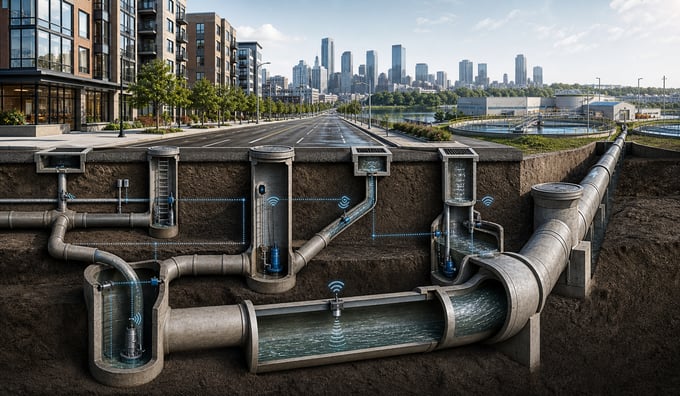
A sewer system is a complex network of pipes, pumping stations, and treatment facilities that collect, transport, and process wastewater from homes, businesses, and industrial facilities. These systems protect public health by safely removing contaminated water and treating it before release back into the environment.
Key Components of Modern Sewer Systems
| Component | Function |
|---|---|
| Collection Pipes | Transport wastewater from buildings to main sewer lines |
| Manholes | Provide access points for inspection and maintenance |
| Lift Stations | Pump wastewater to higher elevations when gravity flow isn't possible |
| Treatment Plants | Process wastewater to remove contaminants |
Types of Sewer Systems
Modern communities typically utilize one of two main sewer system designs:
1. Combined Sewer Systems
Combined sewer systems collect both sanitary sewage and stormwater in the same pipes. While common in older cities, these systems can become overwhelmed during heavy rainfall, leading to combined sewer overflows (CSOs).
2. Separate Sewer Systems
Separate systems use different pipes for sanitary sewage and stormwater. This modern approach provides better control and reduces the risk of overflow events, though it requires more extensive infrastructure.
Smart Monitoring Solutions for Modern Sewer Systems
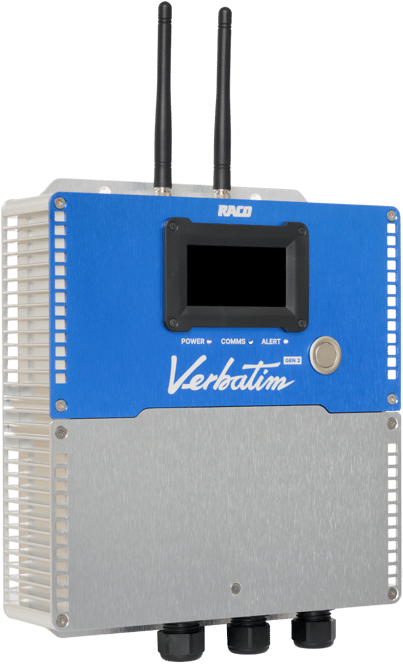
Today's sewer systems benefit from advanced monitoring technology that helps utilities prevent failures and optimize operations. RACO Manufacturing & Engineering's alarm systems play a crucial role in this modern approach to sewer system management.
Essential Monitoring Parameters
| Parameter | Importance | Monitoring Method |
|---|---|---|
| Flow Rate | Prevents overflows and identifies blockages | Flow meters with remote monitoring |
| Level | Ensures proper system operation | Level sensors with alarm capabilities |
| Pressure | Identifies potential pipe failures | Pressure transducers with alert systems |
Common Sewer System Challenges and Solutions
Infrastructure Aging
Many sewer systems in the United States are approaching or exceeding their designed lifespan. Smart monitoring solutions help utilities identify potential failures before they occur, enabling proactive maintenance and rehabilitation.
Infiltration and Inflow (I&I)
Groundwater and stormwater entering sewer systems through defects can overwhelm treatment capacity. Modern monitoring systems can detect unusual flow patterns indicating I&I issues, allowing for targeted repairs.
Emergency Response
Quick response to sewer system emergencies is crucial for preventing environmental damage and protecting public health. RACO's alarm systems provide immediate notification when problems arise, enabling rapid response to critical situations.
Best Practices for Sewer System Management
Effective sewer system management requires a comprehensive approach:
1. Regular Maintenance
Implement scheduled inspections and cleaning programs to prevent blockages and identify potential issues early.
2. Data-Driven Decision Making
Utilize monitoring data to inform maintenance schedules and capital improvement planning.
3. Emergency Preparedness
Maintain updated emergency response plans and ensure proper alarm systems are in place.
The Future of Sewer Systems
The sewer industry is evolving with new technologies and approaches:
Emerging Technologies
| Technology | Benefit |
|---|---|
| AI-Powered Monitoring | Predictive maintenance and automated system optimization |
| Smart Sensors | Real-time data collection and analysis |
| Green Infrastructure | Reduced system load and improved environmental performance |
Conclusion
Modern sewer systems are complex infrastructures that require sophisticated monitoring and management approaches. By implementing smart monitoring solutions like RACO's alarm systems, utilities can better protect public health, maintain system integrity, and prepare for future challenges.
Recommended Internal Links:
- Wastewater treatment
- Pump station monitoring
- Remote monitoring systems
- SCADA systems
- Alarm monitoring