

Sewage Drain Systems: A Complete Guide to Maintenance, Monitoring, and Management


Sewage Drain Systems: A Complete Guide to Maintenance, Monitoring, and Management
Managing sewage drain systems effectively is crucial for maintaining public health and environmental safety. Whether you're a wastewater treatment plant operator, municipal worker, or facility manager, understanding the complexities of sewage drain systems is essential for preventing costly failures and environmental hazards.
Understanding Sewage Drain Systems
A sewage drain system is a complex network of pipes, pumps, and treatment facilities that collect and transport wastewater from homes, businesses, and industrial facilities to treatment plants. These systems play a vital role in maintaining public health by safely removing and treating contaminated water.
| Component | Function | Maintenance Requirements |
|---|---|---|
| Main Sewer Line | Primary wastewater transport | Annual inspection, cleaning every 3-5 years |
| Lateral Lines | Connect buildings to main line | Inspection every 2 years |
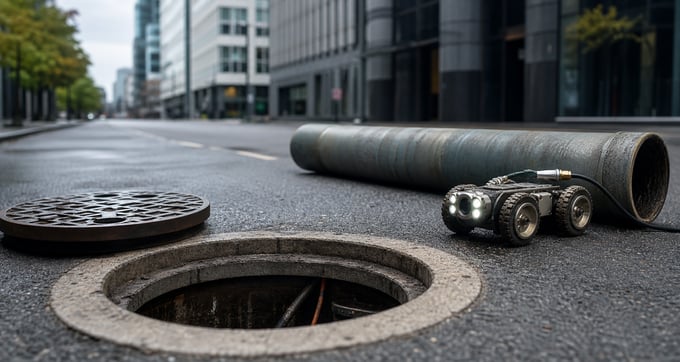
| Manholes | Access points for maintenance | Monthly inspection, immediate repair of damage |
Common Sewage Drain Challenges
Sewage drain systems face numerous challenges that can lead to system failures, environmental contamination, and public health risks. Understanding these challenges is the first step in implementing effective solutions.
1. Infiltration and Inflow (I&I)
Groundwater and stormwater entering the system through cracks or illegal connections can overwhelm treatment facilities and cause system failures. Modern monitoring systems can help detect and prevent I&I issues before they become critical.
2. Blockages and Buildup
Accumulation of grease, debris, and foreign objects can cause severe blockages. Regular maintenance and monitoring are essential for preventing these common issues.
3. Structural Failures
Age, ground movement, and corrosion can lead to pipe failures. Implementing predictive maintenance strategies helps identify potential failures before they occur.
Advanced Monitoring Solutions for Sewage Drain Systems
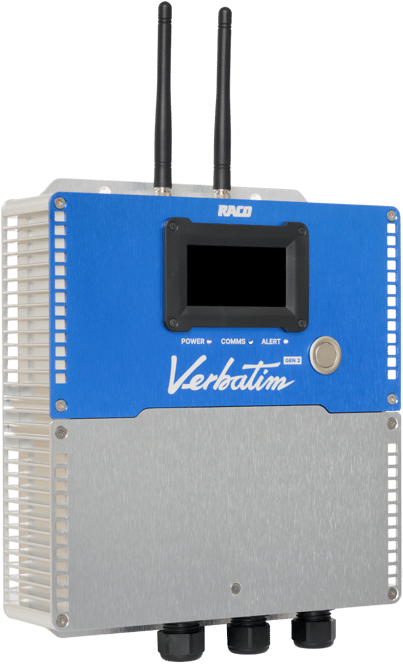
Modern technology has revolutionized how we monitor and maintain sewage drain systems. Remote monitoring solutions, like those offered by RACO Manufacturing & Engineering, provide real-time insights into system performance and potential issues.
Key Monitoring Parameters
| Parameter | Importance | Monitoring Method |
|---|---|---|
| Flow Rate | Indicates system capacity and potential blockages | Flow meters with remote monitoring |
| Level | Prevents overflow and system backup | Level sensors with alarm systems |
| pH | Ensures proper treatment conditions | pH sensors with data logging |
Implementing an Effective Maintenance Strategy
A comprehensive maintenance strategy is crucial for preventing sewage drain failures and ensuring system longevity. This should include:
1. Preventive Maintenance
Regular inspections and cleaning help prevent major issues before they occur. Implement a scheduled maintenance program based on system age, usage, and historical performance data.
2. Remote Monitoring Systems
Installing advanced monitoring equipment allows operators to:
- Receive real-time alerts for system anomalies
- Track performance trends over time
- Optimize maintenance schedules based on actual system conditions
- Reduce response time to potential issues
Emergency Response and Overflow Prevention
Even with proper maintenance, emergencies can occur. Having a robust emergency response plan is essential for minimizing environmental impact and protecting public health.
Critical Components of Emergency Response
| Element | Purpose | Implementation |
|---|---|---|
| Alarm Systems | Early warning of system issues | 24/7 monitoring with automated alerts |
| Response Protocols | Standardized emergency procedures | Written procedures with regular staff training |
| Backup Systems | Maintain service during failures | Regular testing and maintenance of backup equipment |
Future Trends in Sewage Drain Management
The future of sewage drain management is increasingly focused on smart technology and predictive maintenance. Key trends include:
- AI-powered monitoring systems for predictive maintenance
- IoT sensors for real-time system monitoring
- Advanced data analytics for system optimization
- Sustainable treatment technologies
Conclusion
Effective sewage drain management requires a comprehensive approach combining regular maintenance, advanced monitoring systems, and robust emergency response protocols. By implementing modern monitoring solutions and maintaining vigilant oversight, operators can prevent costly failures and ensure reliable system operation.
For more information about implementing advanced monitoring solutions for your sewage drain system, contact RACO Manufacturing & Engineering to discuss your specific needs and requirements.