

Treated Water: A Comprehensive Guide to Water Treatment Processes, Benefits, and Industrial Applications


Treated Water: A Comprehensive Guide to Water Treatment Processes, Benefits, and Industrial Applications
Water treatment is fundamental to modern civilization, yet many people don't fully understand the complex processes and technology behind the clean water flowing from their taps. As populations grow and water quality concerns intensify, treated water has become more crucial than ever for public health, industrial processes, and environmental protection.
What Is Treated Water?
Treated water refers to water that has undergone specific purification processes to meet quality standards for its intended use. Whether for drinking, industrial applications, or environmental discharge, water treatment removes contaminants and ensures safety for its designated purpose.
The Water Treatment Process
Modern water treatment involves several sophisticated stages, each serving a specific purpose in the purification process:
1. Preliminary Treatment
This initial stage removes large debris through screening and grit removal. Large objects, sand, and gravel are filtered out to protect downstream equipment and optimize treatment efficiency.
2. Primary Treatment
During primary treatment, suspended solids settle out in sedimentation tanks. This process typically removes:
- 60-65% of suspended solids - 30-35% of biological oxygen demand (BOD) - Floating materials like oil and grease3. Secondary Treatment
This biological treatment phase uses microorganisms to break down organic matter. Common methods include:
- Activated sludge process - Trickling filters - Rotating biological contactors (RBCs)4. Tertiary Treatment
Advanced treatment processes further polish the water quality through:
- Filtration - Nutrient removal - DisinfectionMonitoring and Control Systems in Water Treatment
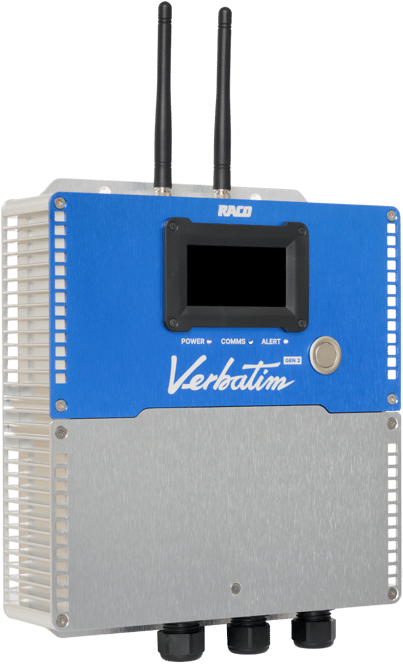
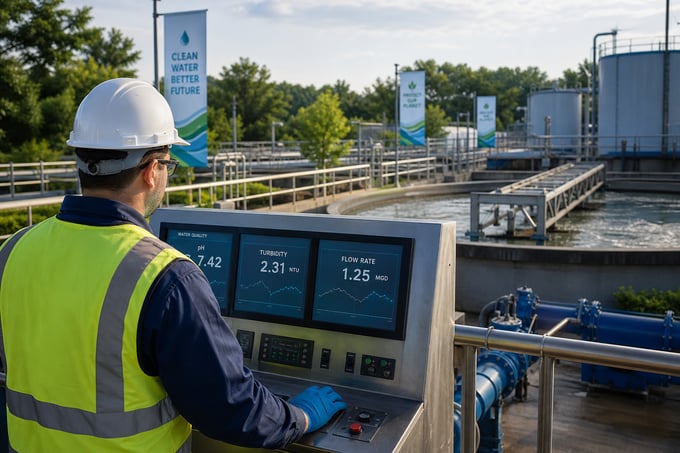
Effective water treatment relies heavily on sophisticated monitoring and control systems. SCADA systems and alarm dialers play crucial roles in maintaining treatment efficiency and preventing system failures.
| Monitoring Parameter | Purpose | Critical Values |
|---|---|---|
| pH Level | Ensure optimal chemical reactions | 6.5-8.5 |
| Turbidity | Measure water clarity | <1 NTU |
| Dissolved Oxygen | Support biological treatment | >2 mg/L |
Industrial Applications of Treated Water
Different industries require varying levels of water treatment based on their specific needs:
Manufacturing
Manufacturing processes often require ultra-pure water for:
- Product formulation - Equipment cleaning - Cooling systems - Process waterFood and Beverage
This industry demands stringent water quality standards to ensure product safety and consistency. Treatment typically focuses on:
- Bacterial removal - Mineral content adjustment - Taste and odor controlPharmaceutical
Pharmaceutical manufacturing requires the highest purity levels, often utilizing:
- Reverse osmosis - UV sterilization - Multiple filtration stagesEnvironmental Impact and Sustainability
Proper water treatment significantly impacts environmental sustainability through:
- Reduced water pollution - Conservation of natural resources - Energy efficiency in treatment processes - Protection of aquatic ecosystemsCommon Challenges in Water Treatment
Water treatment facilities face several ongoing challenges:
1. Infrastructure Aging
Many treatment facilities operate with aging infrastructure, requiring:
- Regular maintenance - Equipment upgrades - Modern monitoring solutions2. Emerging Contaminants
New pollutants constantly emerge, necessitating:
- Advanced treatment methods - Updated regulations - Innovative technology adoptionThe Role of Automation in Water Treatment
Automation has revolutionized water treatment through:
- Real-time monitoring - Predictive maintenance - Remote operation capabilities - Enhanced efficiencyFuture Trends in Water Treatment
The water treatment industry continues to evolve with:
- Smart technology integration - Advanced filtration methods - Energy-efficient processes - Sustainable treatment solutionsBest Practices for Water Treatment Management
Effective water treatment management requires:
- Regular system maintenance - Operator training - Quality control procedures - Emergency response planningConclusion
Treated water remains fundamental to public health and industrial operations. As technology advances and environmental challenges evolve, the importance of efficient water treatment systems grows. Understanding these processes helps facilities optimize their operations and maintain compliance with regulatory requirements.
For more information about monitoring and control solutions for water treatment facilities, explore RACO Manufacturing & Engineering's advanced alarm monitoring systems and SCADA solutions.