

Wastewater Treatment & Management: A Comprehensive Guide for Industry Professionals


Wastewater Treatment & Management: A Comprehensive Guide for Industry Professionals
The management and treatment of wastewater represents one of the most critical challenges facing modern infrastructure systems. As populations grow and industrial processes become more complex, the need for efficient wastewater handling has never been more pressing. This comprehensive guide explores the essential aspects of wastewater treatment, from fundamental processes to advanced monitoring solutions.
Understanding Wastewater: Definition and Sources
Wastewater encompasses any water that has been affected by human use, whether from domestic, industrial, or commercial activities. Understanding its sources is crucial for proper treatment and management:
| Source Type | Description | Common Contaminants |
|---|---|---|
| Domestic Wastewater | Household sewage and water from daily activities | Organic matter, bacteria, detergents |
| Industrial Wastewater | Manufacturing and processing byproducts | Chemicals, heavy metals, oils |
| Storm Water | Runoff from precipitation | Sediments, debris, chemical pollutants |
The Critical Stages of Wastewater Treatment
Modern wastewater treatment involves several sophisticated stages, each designed to remove specific types of contaminants:
1. Preliminary Treatment
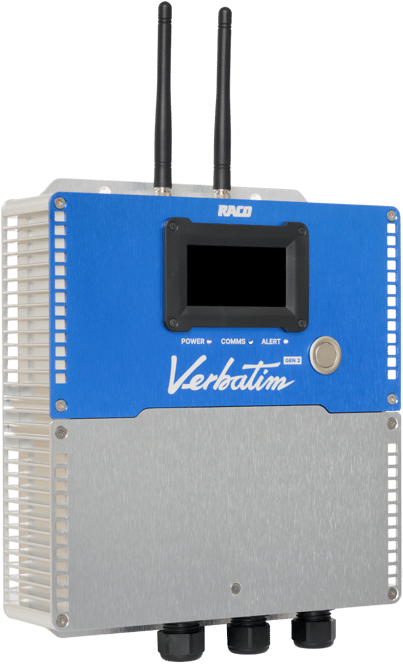
This initial stage removes large debris and solid materials through screening and grit removal. Advanced monitoring systems, such as RACO's Verbatim alarm autodialers, ensure proper operation of screens and pumps during this critical phase.
2. Primary Treatment
During primary treatment, suspended solids settle in sedimentation tanks. This process typically removes:
- 60-70% of suspended solids
- 30-35% of biological oxygen demand (BOD)
- Floating materials through skimming
3. Secondary Treatment
This biological treatment phase employs microorganisms to break down organic matter. The process requires careful monitoring of:
- Dissolved oxygen levels
- pH balance
- Temperature
- Bacterial activity
Advanced Monitoring Solutions for Wastewater Management
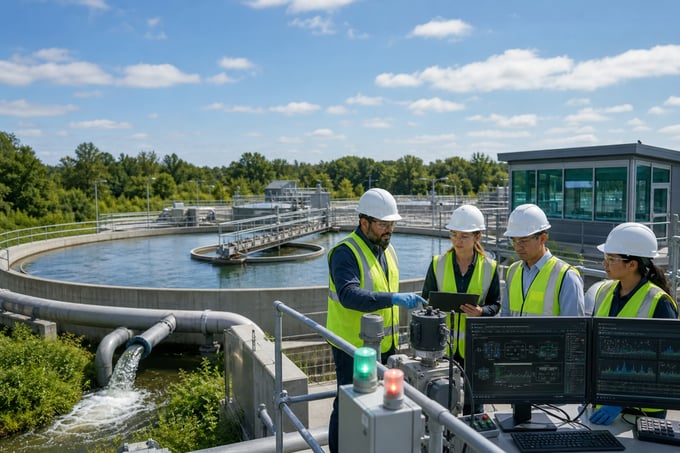
Modern wastewater treatment facilities rely heavily on automated monitoring systems to maintain optimal operation. RACO's monitoring solutions provide:
| Feature | Benefit |
|---|---|
| Real-time Alerts | Immediate notification of system anomalies |
| Remote Monitoring | 24/7 oversight of critical processes |
| Data Logging | Historical analysis and compliance reporting |
Common Challenges in Wastewater Treatment
Treatment facilities face numerous operational challenges that require vigilant monitoring and quick response:
Equipment Failures
Pump malfunctions, screen clogs, and mechanical breakdowns can disrupt treatment processes. Automated alarm systems provide immediate notification when issues arise, enabling rapid response and minimizing downtime.
Chemical Imbalances
Maintaining proper chemical levels is crucial for effective treatment. Remote monitoring systems track key parameters and alert operators when adjustments are needed.
Regulatory Compliance and Reporting
Wastewater treatment facilities must adhere to strict regulatory requirements. Modern monitoring solutions help maintain compliance through:
- Automated data collection and reporting
- Real-time compliance monitoring
- Historical data analysis
- Documentation of treatment processes
Future Trends in Wastewater Treatment
The wastewater treatment industry continues to evolve with new technologies and approaches:
| Trend | Impact |
|---|---|
| IoT Integration | Enhanced monitoring and control capabilities |
| Energy Recovery | Improved sustainability and cost efficiency |
| Advanced Analytics | Predictive maintenance and optimization |
Conclusion
Effective wastewater treatment remains fundamental to public health and environmental protection. By implementing robust monitoring solutions and staying current with technological advances, treatment facilities can maintain optimal operation while meeting regulatory requirements. RACO's advanced monitoring systems provide the tools needed to face these challenges head-on, ensuring reliable and efficient wastewater treatment operations.