

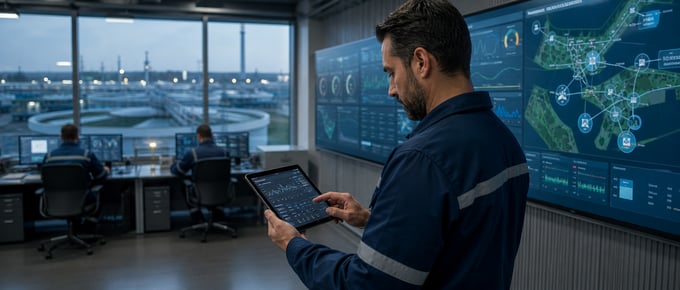
VFC Cloud: The Ultimate Guide to Remote Monitoring & Alarm Notification Systems


VFC Cloud: The Ultimate Guide to Remote Monitoring & Alarm Notification Systems
In today's interconnected world, the ability to monitor critical infrastructure remotely isn't just a convenience—it's a necessity. The VFC Cloud system represents a significant leap forward in remote monitoring technology, offering water and wastewater professionals unprecedented control and visibility over their operations. This comprehensive guide will explore how VFC Cloud is transforming the way utilities manage their systems and respond to critical events.
What is VFC Cloud?
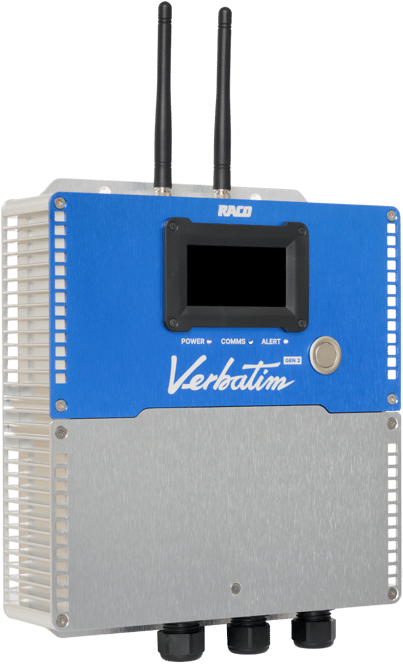
VFC Cloud is a sophisticated remote monitoring and alarm notification system designed specifically for water and wastewater applications. As a cloud-based solution, it provides real-time monitoring, data logging, and alarm notification capabilities that help utilities maintain operational efficiency and respond quickly to critical situations.
Key features of VFC Cloud include:
| Feature | Benefit |
|---|---|
| Real-time Monitoring | Continuous oversight of critical systems and parameters |
| Cloud-based Architecture | Access from anywhere with internet connectivity |
| Advanced Alarm Notification | Immediate alert distribution to designated personnel |
| Data Logging | Historical tracking and trend analysis capabilities |
The Evolution of Remote Monitoring Technology
The journey from traditional SCADA systems to cloud-based solutions like VFC Cloud represents a significant technological evolution in the water and wastewater industry. This transformation has brought numerous advantages that address longstanding challenges in infrastructure monitoring.
Traditional Systems vs. VFC Cloud
| Aspect | Traditional Systems | VFC Cloud |
|---|---|---|
| Accessibility | Limited to on-site or VPN access | Accessible from any internet-connected device |
| Scalability | Hardware-dependent scaling | Easily scalable through cloud infrastructure |
| Maintenance | Regular physical maintenance required | Remote updates and minimal maintenance needed |
| Cost Structure | High initial investment | Subscription-based with lower upfront costs |
Core Benefits of VFC Cloud Implementation
1. Enhanced Operational Efficiency
VFC Cloud streamlines operations by providing:
- Real-time system status updates with detailed analysis
- Automated reporting capabilities that save time and reduce errors
- Predictive maintenance insights based on historical data trends
2. Improved Response Times
The system's advanced notification features ensure that the right personnel are alerted immediately when issues arise. This rapid response capability can prevent minor issues from escalating into major problems, potentially saving thousands in repair costs and preventing environmental incidents.
3. Data-Driven Decision Making
With comprehensive data logging and analysis tools, VFC Cloud enables operators to:
- Identify patterns in system performance
- Make informed maintenance decisions
- Optimize resource allocation based on historical trends
Security and Reliability Features
Security is paramount in critical infrastructure monitoring. VFC Cloud incorporates multiple layers of protection:
| Security Feature | Description |
|---|---|
| End-to-end Encryption | All data transmission is encrypted using industry-standard protocols |
| Multi-factor Authentication | Additional security layer for user access |
| Regular Security Updates | Continuous protection against emerging threats |
| Redundant Systems | Multiple backup systems ensure continuous operation |
Implementation and Integration
Implementing VFC Cloud is a straightforward process that can be completed with minimal disruption to existing operations. The system is designed to integrate seamlessly with various types of equipment and can be customized to meet specific monitoring requirements.
Implementation Steps:
- Initial Assessment: Evaluation of current systems and monitoring needs
- Custom Configuration: Setup of monitoring parameters and alarm thresholds
- System Integration: Connection with existing equipment and sensors
- Staff Training: Comprehensive training on system operation and maintenance
- Ongoing Support: Continuous technical support and system updates
Cost Considerations and ROI
While implementing VFC Cloud requires an initial investment, the return on investment typically becomes apparent within the first year of operation. Cost savings are realized through:
- Reduced manual monitoring requirements
- Prevention of equipment failures through early detection
- Lower emergency maintenance costs
- Improved resource allocation
Future-Proofing Your Infrastructure
VFC Cloud is designed with scalability and future expansion in mind. The system can easily accommodate:
- Additional monitoring points
- New types of sensors and equipment
- Enhanced reporting requirements
- Integration with emerging technologies
Conclusion
VFC Cloud represents the future of remote monitoring in the water and wastewater industry. Its combination of advanced features, robust security, and user-friendly interface makes it an invaluable tool for utilities looking to modernize their operations and improve efficiency.
Ready to transform your monitoring capabilities? Contact RACO Manufacturing & Engineering to learn more about implementing VFC Cloud in your facility.
Recommended Internal Links:
- Remote monitoring systems
- Alarm notification systems
- SCADA integration
- Wastewater monitoring
- Cloud-based solutions