


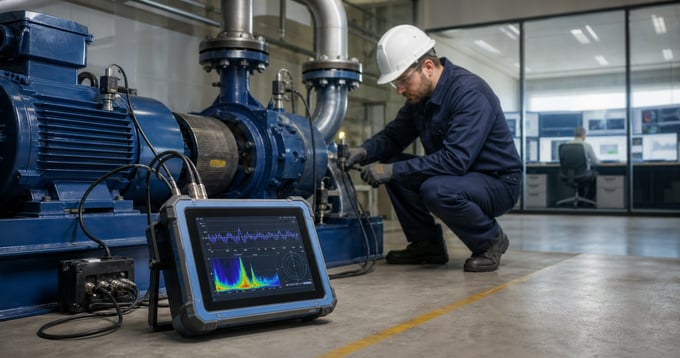
Vibration Monitoring Equipment: A Comprehensive Guide to Industrial Applications and Best Practices


Vibration Monitoring Equipment: A Comprehensive Guide to Industrial Applications and Best Practices
In today's industrial landscape, the reliability and performance of machinery are paramount to operational success. Vibration monitoring equipment serves as a crucial tool in predictive maintenance strategies, helping facilities prevent costly breakdowns and optimize equipment performance. This comprehensive guide explores everything you need to know about vibration monitoring equipment, from its fundamental principles to advanced applications in various industries.
Understanding Vibration Monitoring Equipment: The Basics
Vibration monitoring equipment consists of specialized sensors and analysis tools designed to detect, measure, and analyze mechanical vibrations in industrial machinery. These systems serve as an early warning mechanism, identifying potential equipment failures before they lead to catastrophic breakdowns.
Key Components of Vibration Monitoring Systems
| Component | Function | Application |
|---|---|---|
| Sensors/Transducers | Convert mechanical vibration into electrical signals | Direct machine mounting |
| Data Collectors | Gather and store vibration measurements | Portable or permanent installation |
| Analysis Software | Process and interpret vibration data | Control room monitoring |
| Alert Systems | Notify operators of abnormal conditions | Remote monitoring stations |
Types of Vibration Monitoring Equipment
1. Portable Vibration Analyzers
These handheld devices allow maintenance personnel to conduct routine vibration measurements at multiple points throughout a facility. They're ideal for periodic monitoring of non-critical equipment and offer flexibility in deployment.
2. Online Monitoring Systems
Permanently installed systems provide continuous monitoring of critical equipment. These systems typically integrate with existing SCADA or control systems, offering real-time data and immediate alerts when abnormal conditions occur.
3. Wireless Vibration Sensors
Modern wireless sensors eliminate the need for complex wiring installations and can be deployed in hard-to-reach locations. They're particularly valuable in remote monitoring applications and hazardous environments.
Applications Across Industries
Wastewater Treatment Facilities
In wastewater treatment plants, vibration monitoring equipment plays a vital role in maintaining the reliability of critical pumps, blowers, and rotating equipment. Early detection of issues like bearing wear, misalignment, or impeller damage can prevent costly system failures and maintain consistent treatment processes.
Manufacturing Facilities
Production lines rely heavily on rotating equipment, where unexpected failures can halt entire operations. Vibration monitoring helps maintain production continuity by identifying potential issues in:
- Motors and drives - Conveyor systems - Processing equipment - Cooling towersPower Generation
Power plants utilize vibration monitoring equipment to ensure the reliable operation of turbines, generators, and auxiliary equipment. The high cost of downtime in power generation makes continuous monitoring essential.
Implementation Best Practices
Selecting the Right Equipment
When choosing vibration monitoring equipment, consider these critical factors:
| Factor | Consideration |
|---|---|
| Equipment Criticality | Determine monitoring frequency and system type needed |
| Environmental Conditions | Consider temperature, moisture, and hazardous conditions |
| Integration Requirements | Evaluate compatibility with existing systems |
| Budget Constraints | Balance initial costs with long-term benefits |
Installation and Setup
Proper installation is crucial for accurate vibration monitoring. Key considerations include:
- Sensor mounting location and technique - Cable routing and protection - System calibration and baseline measurements - Alert threshold configurationData Analysis and Interpretation
Understanding vibration data requires knowledge of both equipment characteristics and vibration analysis principles. Modern monitoring systems often incorporate advanced analytics features:
Key Analysis Features
- Spectrum analysis - Trending capabilities - Machine learning algorithms for pattern recognition - Automated diagnostic toolsIntegration with Industrial IoT Systems
Modern vibration monitoring equipment increasingly leverages Industrial Internet of Things (IIoT) capabilities, enabling:
- Remote monitoring and analysis - Cloud-based data storage and processing - Integration with enterprise asset management systems - Predictive maintenance schedulingCost-Benefit Analysis
Implementing vibration monitoring equipment requires initial investment but typically delivers significant returns through:
| Benefit | Impact |
|---|---|
| Reduced Downtime | 20-30% decrease in unexpected failures |
| Extended Equipment Life | 15-25% increase in equipment lifespan |
| Lower Maintenance Costs | 25-35% reduction in maintenance expenses |
| Energy Savings | 5-10% improvement in energy efficiency |
Future Trends in Vibration Monitoring
The field of vibration monitoring continues to evolve with emerging technologies:
- AI-powered diagnostics - Edge computing capabilities - Enhanced wireless connectivity - Augmented reality interfacesConclusion
Vibration monitoring equipment represents a crucial investment in maintaining industrial equipment reliability and performance. By understanding the available options, implementation best practices, and analysis techniques, organizations can maximize the benefits of their vibration monitoring programs. As technology continues to advance, these systems will become increasingly sophisticated, offering even greater value in predictive maintenance strategies.
Recommended Internal Links:
- Predictive maintenance solutions - Industrial automation systems - SCADA monitoring - Remote monitoring solutions - Pump monitoring systems - Industrial IoT applications

