

Vibration Sensors in Wastewater Systems: The Complete Guide to Monitoring Equipment Health


Vibration Sensors in Wastewater Systems: The Complete Guide to Monitoring Equipment Health
In the complex world of wastewater treatment, the reliability of pumps, motors, and other critical equipment can mean the difference between smooth operations and catastrophic system failures. At the heart of modern predictive maintenance strategies lies a crucial tool: the vibration sensor. This comprehensive guide explores how vibration sensors are revolutionizing wastewater equipment monitoring and why they're essential for maintaining system integrity.
Understanding Vibration Sensors: The Basics
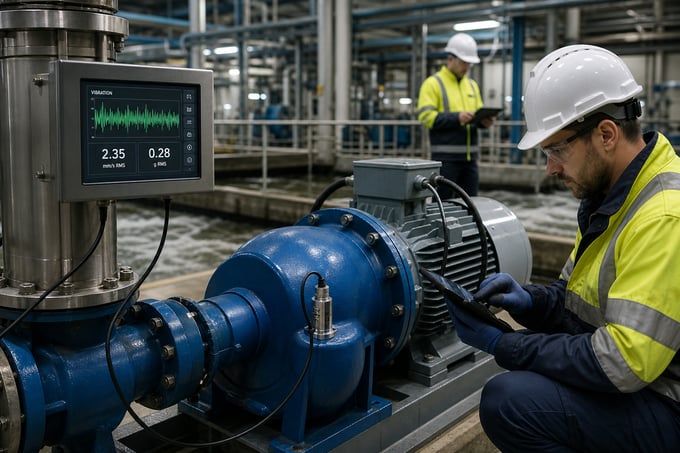
A vibration sensor, also known as a vibration monitor or accelerometer, is a sophisticated device that measures the oscillation levels in mechanical equipment. In wastewater applications, these sensors detect abnormal vibration patterns that often indicate developing equipment problems before they lead to failures.
Key Components of Vibration Sensors
Modern vibration sensors consist of several critical components:
| Component | Function |
|---|---|
| Piezoelectric Crystal | Converts mechanical movement into electrical signals |
| Signal Processor | Analyzes and filters vibration data |
| Communication Module | Transmits data to monitoring systems |
| Protective Housing | Shields components from harsh environments |
Why Vibration Monitoring Matters in Wastewater Operations
Wastewater treatment facilities face unique challenges that make vibration monitoring particularly crucial:
- Continuous operation requirements
- Harsh environmental conditions
- High replacement costs for damaged equipment
- Environmental compliance requirements
Each of these factors contributes to the critical nature of early problem detection through vibration monitoring.
Types of Vibration Sensors for Wastewater Applications
1. Piezoelectric Accelerometers
The most common type of vibration sensor in wastewater applications, piezoelectric accelerometers offer excellent reliability and accuracy. These sensors generate an electrical charge proportional to the applied acceleration, making them ideal for monitoring rotating equipment.
2. Velocity Transducers
Particularly effective for low-frequency measurements, velocity transducers excel at detecting problems in slower-moving equipment common in wastewater treatment plants.
3. Proximity Probes
These sensors measure the relative displacement between rotating shafts and their bearings, crucial for monitoring large pumps and motors.
Implementation Strategies for Vibration Monitoring
Successfully implementing vibration sensors requires a strategic approach:
Sensor Placement
Optimal sensor placement is crucial for accurate readings. Key mounting locations include:
| Equipment Type | Recommended Sensor Locations |
|---|---|
| Centrifugal Pumps | Bearing housings, motor mounts |
| Motors | Drive end, non-drive end bearings |
| Gearboxes | Input/output shaft bearings |
Integration with SCADA and Alarm Systems
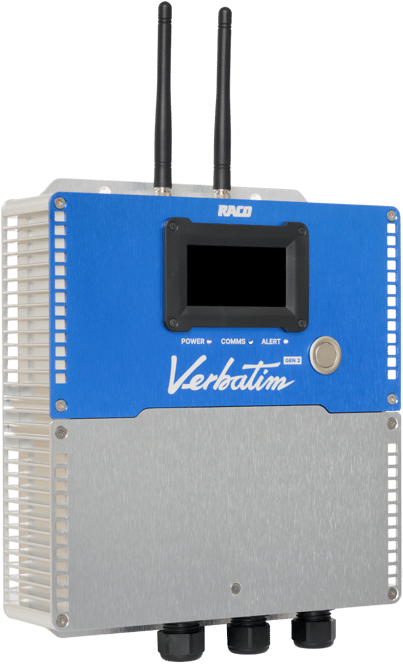
Modern vibration sensors should integrate seamlessly with existing SCADA systems and alarm notification platforms. RACO's Catalyst® and AlarmAgent.com® systems provide robust integration options for vibration monitoring, enabling:
- Real-time vibration data monitoring
- Automated alarm notifications when vibration exceeds preset thresholds
- Historical data tracking for trend analysis
- Remote access to vibration data through secure web interfaces
Maintenance and Calibration Requirements
To ensure reliable operation, vibration sensors require regular maintenance:
Routine Maintenance Tasks
Essential maintenance procedures include:
| Task | Frequency | Purpose |
|---|---|---|
| Sensor Calibration | Annually | Ensure accuracy |
| Housing Inspection | Quarterly | Check for damage |
| Connection Verification | Monthly | Confirm proper operation |
Cost-Benefit Analysis
Implementing vibration sensors delivers significant ROI through:
- Reduced emergency maintenance costs
- Extended equipment life
- Lower energy consumption
- Decreased downtime
Future Trends in Vibration Monitoring
The future of vibration monitoring in wastewater applications is evolving with:
- AI-powered analysis for predictive maintenance
- Wireless sensor networks
- Cloud-based monitoring platforms
- Integration with digital twin technology
Conclusion
Vibration sensors are indispensable tools in modern wastewater treatment operations. By providing early warning of equipment problems, these devices help facilities maintain optimal performance while reducing maintenance costs and preventing catastrophic failures. When combined with robust monitoring and alarm systems like RACO's solutions, vibration sensors form a crucial component of a comprehensive predictive maintenance strategy.
For more information about integrating vibration sensors with your existing monitoring systems, contact RACO's team of experts or visit our website to explore our range of alarm monitoring solutions.