

Vibration Sensors in Wastewater Systems: The Complete Guide to Predictive Maintenance


Vibration Sensors in Wastewater Systems: The Complete Guide to Predictive Maintenance
In the complex world of wastewater management, equipment failure isn't just an inconvenience—it's a potential environmental and public health crisis. Vibration sensors have emerged as a critical tool in preventing these catastrophic failures, offering wastewater treatment facilities a proactive approach to maintenance and system monitoring.
Understanding Vibration Sensors in Wastewater Applications
Vibration sensors, also known as vibration monitors or accelerometers, are sophisticated devices that detect and measure mechanical vibration in equipment. In wastewater treatment facilities, these sensors serve as early warning systems for potential equipment failures, helping operators maintain optimal performance and prevent costly breakdowns.
Why Vibration Monitoring Matters in Wastewater Treatment
Wastewater treatment facilities rely on numerous rotating equipment pieces, including pumps, motors, and blowers. Each of these components generates unique vibration patterns during normal operation. When these patterns change, it often indicates developing problems such as:
- Bearing wear and failure
- Shaft misalignment
- Impeller damage
- Motor mounting issues
- Coupling problems
Types of Vibration Sensors for Wastewater Applications
| Sensor Type | Best Application | Key Benefits |
|---|---|---|
| Piezoelectric Accelerometers | High-frequency measurements | Excellent sensitivity, wide frequency range |
| MEMS Sensors | General purpose monitoring | Cost-effective, compact size |
| Velocity Sensors | Low-frequency measurements | Direct velocity readings, robust design |
Implementing Vibration Monitoring in Your Facility
A successful vibration monitoring program requires careful planning and implementation. Here's a structured approach to getting started:
1. Equipment Assessment
Begin by identifying critical equipment that would benefit most from vibration monitoring. Consider factors such as:
- Equipment replacement costs
- Impact of failure on operations
- Historical maintenance records
- Regulatory requirements
2. Sensor Selection and Placement
Proper sensor selection and placement are crucial for accurate monitoring. Key considerations include:
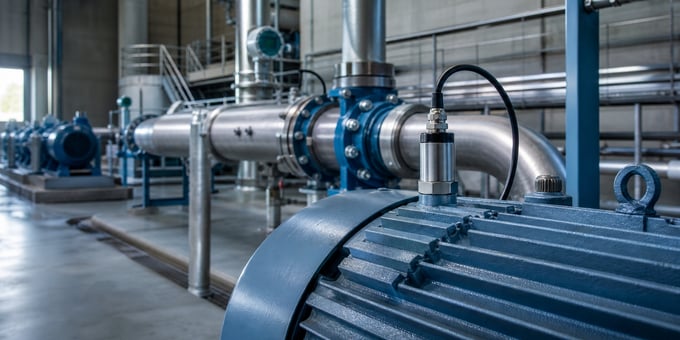
Mounting Locations: Sensors should be mounted as close as possible to bearing housings and other critical components. Ensure mounting surfaces are clean and properly prepared for optimal sensor contact.
Environmental Factors: Consider protection against moisture, chemicals, and other harsh conditions common in wastewater facilities.
3. Integration with Monitoring Systems
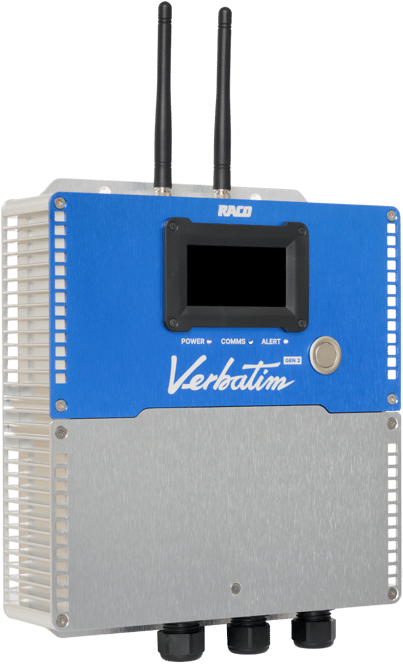
Modern vibration sensors can be integrated with various monitoring and alarm systems. RACO's Catalyst and AlarmAgent.com platforms provide seamless integration options for vibration monitoring, allowing facilities to:
- Set custom alarm thresholds
- Receive real-time notifications
- Track historical data
- Generate comprehensive reports
Best Practices for Vibration Monitoring
Establishing Baseline Measurements
Before implementing a vibration monitoring program, establish baseline measurements for all monitored equipment. This provides a reference point for detecting changes and identifying potential issues.
Regular Calibration and Maintenance
Ensure accurate readings by:
- Calibrating sensors according to manufacturer specifications
- Regularly cleaning sensor mounting points
- Checking cable connections and protective housings
- Updating monitoring software as needed
Cost Benefits of Vibration Monitoring
Implementing vibration sensors in wastewater facilities can provide significant return on investment through:
| Benefit Category | Potential Savings |
|---|---|
| Reduced Emergency Repairs | 40-60% reduction |
| Extended Equipment Life | 20-40% increase |
| Lower Energy Consumption | 5-15% reduction |
| Decreased Downtime | 30-50% reduction |
Future Trends in Vibration Monitoring
The field of vibration monitoring continues to evolve with emerging technologies such as:
- Wireless sensor networks
- AI-powered predictive analytics
- Cloud-based monitoring platforms
- Integration with digital twin technology
Conclusion
Vibration sensors represent a crucial component in modern wastewater facility management. By implementing these devices as part of a comprehensive monitoring strategy, facilities can significantly improve their maintenance practices, reduce costs, and prevent catastrophic equipment failures.
Ready to enhance your facility's monitoring capabilities? Contact RACO Manufacturing & Engineering to learn how our advanced monitoring solutions can integrate with vibration sensors to provide comprehensive equipment protection.
Recommended Internal Links:
- Predictive Maintenance Solutions
- Wastewater Monitoring Systems
- Remote Monitoring Solutions
- Industrial Automation
- Equipment Monitoring Best Practices