

Wastewater Booster Stations: The Complete Guide to Design, Operation & Maintenance


Wastewater Booster Stations: The Complete Guide to Design, Operation & Maintenance
In the complex world of wastewater management, booster stations play a crucial yet often overlooked role in ensuring efficient sewage transport across varying elevations and distances. These vital infrastructure components help maintain the flow of wastewater when gravity alone isn't sufficient, preventing system backups and environmental hazards.
Understanding Wastewater Booster Stations: The Basics
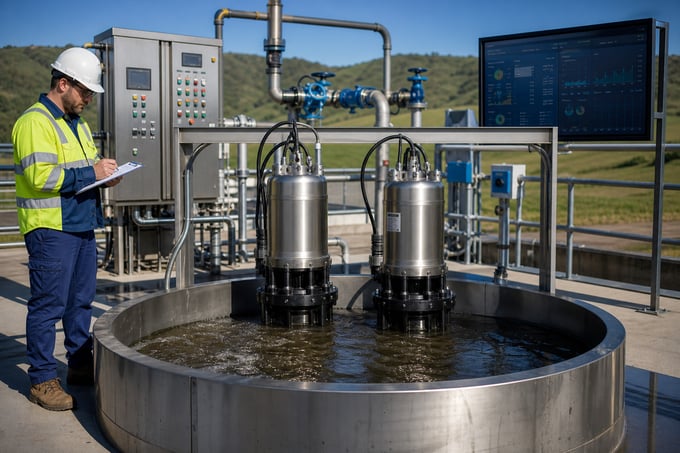
A booster station, also known as a lift station in wastewater applications, is an engineered pumping facility that moves wastewater from lower to higher elevation. These stations are essential when gravity flow is not feasible or when the cost of deep excavation makes gravity sewers impractical.
Key Components of a Booster Station
Every wastewater booster station consists of several critical components working in harmony:
| Component | Function |
|---|---|
| Wet Well | Collects and temporarily stores incoming wastewater |
| Pumps | Transfers wastewater to higher elevations |
| Controls | Manages pump operation and system monitoring |
| Valves | Controls flow direction and maintenance isolation |
| Alarm Systems | Alerts operators to potential problems |
Design Considerations for Booster Stations
Proper design of a booster station requires careful consideration of multiple factors to ensure reliable operation and minimize maintenance requirements.
Flow Rate Calculations
Engineers must accurately calculate both average and peak flow rates to properly size the station. These calculations consider:
- Population served and growth projections
- Industrial and commercial contributions
- Infiltration and inflow estimates
- Peak flow factors
Pump Selection and Configuration
Choosing the right pumps is critical for efficient operation. Modern booster stations typically employ submersible pumps with the following considerations:
- Required head pressure and flow rate
- Energy efficiency ratings
- Redundancy requirements
- Variable frequency drive compatibility
Advanced Monitoring and Control Systems
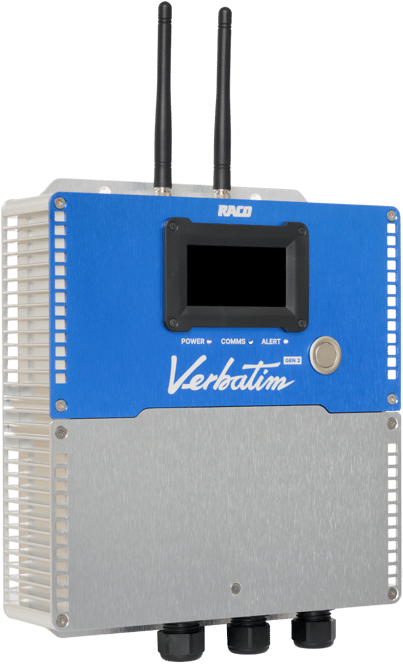
Modern booster stations require sophisticated monitoring and control systems to ensure reliable operation. RACO Manufacturing & Engineering's Catalyst® and AlarmAgent® systems provide comprehensive solutions for:
- Real-time pump status monitoring
- Flow rate tracking
- Power consumption analysis
- Predictive maintenance alerts
- Remote operation capabilities
The Role of SCADA Integration
Integration with SCADA systems enables operators to:
| Capability | Benefit |
|---|---|
| Remote Monitoring | Reduce site visits and operational costs |
| Data Analysis | Optimize performance and energy usage |
| Trend Analysis | Predict maintenance needs |
| Alarm Management | Rapid response to issues |
Maintenance Best Practices
Regular maintenance is essential for ensuring reliable booster station operation. A comprehensive maintenance program should include:
Daily Checks
Operators should perform visual inspections of:
- Pump operation and unusual noise
- Control panel indicators
- Wet well levels
- General site conditions
Weekly Maintenance
More detailed inspections including:
- Pump rotation checks
- Valve exercise routines
- Alarm system testing
- Backup power system verification
Troubleshooting Common Issues
Even well-maintained booster stations can experience problems. Here are common issues and their solutions:
| Problem | Possible Causes | Solution |
|---|---|---|
| Pump Failure | Clogging, mechanical failure | Regular cleaning, preventive maintenance |
| Control System Issues | Power fluctuations, sensor failure | Backup power systems, redundant sensors |
| Overflow Events | Peak flow exceedance, pump failure | Proper sizing, alarm systems, backup pumps |
Future Trends in Booster Station Technology
The wastewater industry continues to evolve with new technologies and approaches:
- Smart pumping systems with machine learning capabilities
- Energy-efficient variable speed drives
- Advanced corrosion-resistant materials
- Internet of Things (IoT) integration
- Predictive maintenance algorithms
Conclusion
Booster stations are critical infrastructure components that require careful design, monitoring, and maintenance. By implementing proper monitoring systems like RACO's Catalyst® and AlarmAgent®, operators can ensure reliable operation while minimizing costs and environmental risks.
For more information about monitoring solutions for your booster station, contact RACO Manufacturing & Engineering's team of experts.