



Lift Stations: The Complete Guide to Wastewater Pumping Systems
Lift stations are critical components in modern wastewater infrastructure, serving as the unsung heroes that keep our communities clean and functional. When gravity alone can't transport sewage to treatment facilities, lift stations step in to do the heavy lifting. This comprehensive guide will explore everything you need to know about lift stations, from their fundamental operations to maintenance best practices.
What Is a Lift Station?
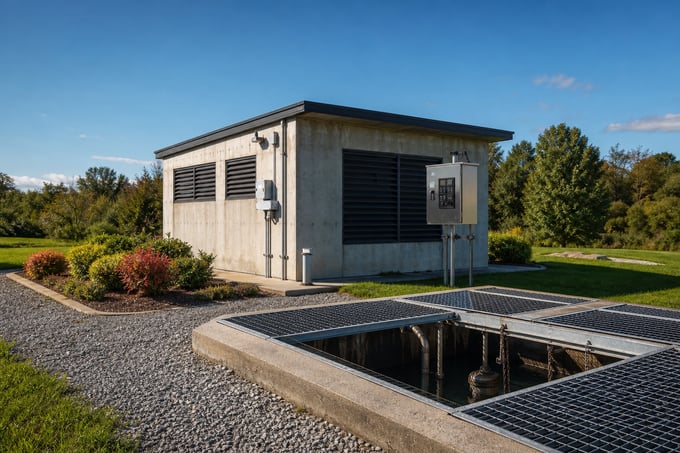
A lift station, also known as a pumping station, is an engineered system designed to move wastewater from lower to higher elevations. These essential facilities are used when the topography of the land prevents wastewater from flowing by gravity alone to a treatment plant. Lift stations contain various components working in harmony to ensure efficient wastewater transport.
Key Components of a Lift Station
| Component | Function |
|---|---|
| Wet Well | Collection point for incoming wastewater |
| Pumps | Mechanical devices that move wastewater |
| Motors | Power source for the pumps |
| Control System | Manages pump operation and monitoring |
| Alarm System | Alerts operators to potential issues |
Types of Lift Stations
Understanding the different types of lift stations is crucial for selecting the right system for your specific application. Each type has its unique advantages and considerations.
1. Submersible Lift Stations
Submersible lift stations feature pumps that operate while completely submerged in the wet well. These systems are popular due to their compact design and lower maintenance requirements. They're particularly effective in areas with space constraints or where noise reduction is essential.
2. Dry Well Lift Stations
Dry well stations house pumps and motors in a separate dry chamber adjacent to the wet well. This design allows easier access for maintenance but requires more space and initial construction costs. They're often preferred in larger installations where regular maintenance is necessary.
3. Package Lift Stations
Package lift stations come pre-engineered and assembled, ready for installation. These turnkey solutions are ideal for smaller applications or when rapid deployment is necessary. They offer cost-effective solutions for residential developments or small commercial properties.
Critical Monitoring and Control Systems
Modern lift stations rely heavily on sophisticated monitoring and control systems to ensure reliable operation. These systems are essential for preventing failures and maintaining efficient performance.
Essential Monitoring Parameters
| Parameter | Importance | Typical Monitoring Method |
|---|---|---|
| Level Control | Prevents overflow and dry running | Float switches or ultrasonic sensors |
| Flow Rate | Ensures proper system capacity | Magnetic flow meters |
| Pump Status | Indicates operational condition | Motor sensors and SCADA systems |
| Power Consumption | Identifies efficiency issues | Power monitoring devices |
Maintenance and Operation Best Practices
Regular maintenance is crucial for ensuring the longevity and reliability of lift station systems. A well-maintained lift station can operate efficiently for decades, while neglected systems may fail prematurely.
Preventive Maintenance Schedule
Implement these essential maintenance tasks according to manufacturer recommendations:
- Daily visual inspections of control panels and alarm systems
- Weekly checking of pump operation and rotation
- Monthly cleaning of wet well and removal of debris
- Quarterly inspection of mechanical components and seals
- Annual comprehensive system evaluation and testing
Common Challenges and Solutions
Operating lift stations comes with various challenges that operators must be prepared to address. Understanding these challenges and having solutions ready is crucial for maintaining system reliability.
Challenge Resolution Matrix
| Challenge | Impact | Solution |
|---|---|---|
| Pump Clogging | Reduced efficiency, potential system failure | Install grinder pumps or screening systems |
| Power Failures | System shutdown, potential overflow | Implement backup power systems |
| Corrosion | Equipment deterioration | Use corrosion-resistant materials, proper ventilation |
Modern Innovations in Lift Station Technology
The wastewater industry continues to evolve with new technologies enhancing lift station operation and maintenance. These innovations focus on improving efficiency, reliability, and environmental impact.
Recent Technological Advances
Key developments in lift station technology include:
- Smart monitoring systems with predictive maintenance capabilities
- Energy-efficient variable frequency drives (VFDs)
- Advanced SCADA integration for remote operation
- Sustainable design features for reduced environmental impact
Selecting the Right Lift Station
Choosing the appropriate lift station requires careful consideration of various factors. This decision impacts long-term operational costs and system reliability.
Key Selection Criteria
| Factor | Considerations |
|---|---|
| Flow Requirements | Peak flow rates, average daily flow |
| Location Constraints | Available space, accessibility |
| Power Availability | Electrical supply, backup power needs |
| Maintenance Access | Ease of service, safety considerations |
Conclusion
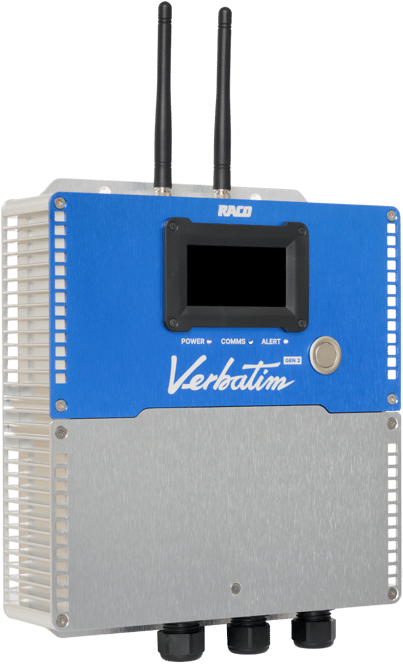
Lift stations remain fundamental to modern wastewater infrastructure, requiring careful attention to design, operation, and maintenance. Success in managing these systems depends on understanding their components, implementing proper maintenance procedures, and staying current with technological advances. For optimal performance and reliability, consider implementing advanced monitoring solutions like RACO's Catalyst and Guard-It systems, which provide comprehensive remote monitoring and alarm capabilities.
Recommended Internal Links:
- Wastewater Treatment Systems
- SCADA Systems
- Remote Monitoring Solutions
- Pump Station Alarms
- Industrial Automation