

Wastewater Management: A Comprehensive Guide to Modern Treatment Solutions and Best Practices


Wastewater Management: A Comprehensive Guide to Modern Treatment Solutions and Best Practices
Effective wastewater management stands as one of the most critical challenges facing municipalities, industries, and environmental agencies today. With growing populations and increasingly stringent environmental regulations, the need for efficient and sustainable wastewater treatment solutions has never been more pressing. This comprehensive guide explores the complexities of wastewater management, offering practical insights and innovative solutions for professionals in the field.
Understanding Modern Wastewater Management Systems
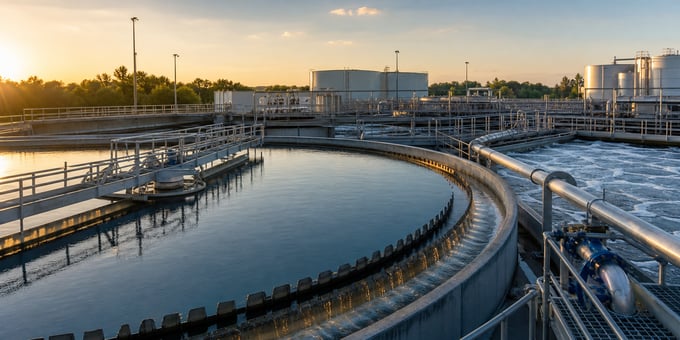
Wastewater management encompasses the collection, treatment, and disposal or reuse of water that has been contaminated by human activity. Modern systems must handle both domestic sewage and industrial wastewater while meeting strict environmental standards and operational efficiency requirements.
Key Components of Wastewater Treatment
A typical wastewater treatment facility consists of several crucial stages:
| Treatment Stage | Purpose | Key Processes |
|---|---|---|
| Preliminary Treatment | Remove large debris | Screening, grit removal |
| Primary Treatment | Remove suspended solids | Sedimentation, flotation |
| Secondary Treatment | Remove biological content | Activated sludge, filtration |
| Tertiary Treatment | Final polishing | Disinfection, nutrient removal |
Challenges in Modern Wastewater Management
Today's wastewater treatment facilities face numerous challenges that require innovative solutions and careful monitoring:
Infrastructure Aging
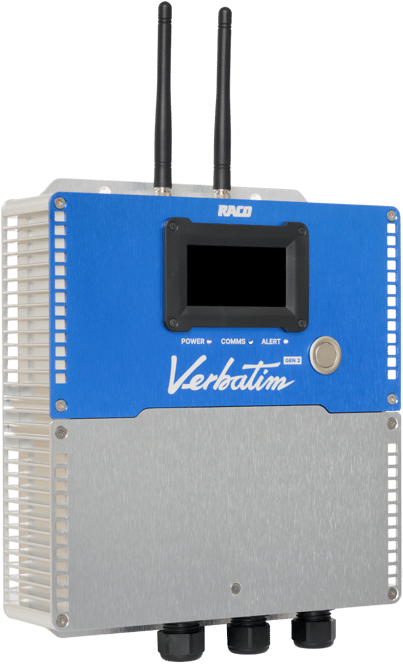
Many treatment facilities operate with aging infrastructure that requires consistent monitoring and maintenance. Remote monitoring solutions, such as RACO's Catalyst and AlarmAgent.com systems, provide real-time alerts and data analytics to help operators prevent system failures and optimize maintenance schedules.
Regulatory Compliance
Environmental regulations continue to evolve, requiring treatment facilities to maintain increasingly stringent standards. Advanced monitoring and control systems are essential for ensuring compliance and documenting treatment processes.
Innovation in Wastewater Management Technology
Modern wastewater management relies heavily on technological advancement to improve efficiency and effectiveness:
Automation and Control Systems
SCADA systems and remote monitoring solutions have revolutionized how treatment facilities operate. These systems provide:
- Real-time process monitoring and control
- Automated alert systems for equipment failures
- Data collection and analysis for optimization
- Remote access capabilities for operators
Energy Efficiency Solutions
Treatment facilities are implementing energy-saving technologies to reduce operational costs and environmental impact. Key innovations include:
| Technology | Energy Savings | Additional Benefits |
|---|---|---|
| Variable Frequency Drives | 20-50% | Reduced wear on equipment |
| Energy-efficient Aeration | 30-60% | Improved treatment efficiency |
| Heat Recovery Systems | 15-30% | Reduced carbon footprint |
Best Practices for Wastewater Management
Implementing effective wastewater management requires adherence to established best practices:
Preventive Maintenance
Regular maintenance is crucial for system reliability. Key aspects include:
- Scheduled equipment inspections and servicing
- Calibration of monitoring instruments
- Documentation of maintenance activities
- Staff training and certification
Remote Monitoring and Control
Implementing comprehensive monitoring solutions like RACO's systems ensures:
- 24/7 system oversight
- Immediate notification of problems
- Historical data collection for trend analysis
- Reduced response time to emergencies
Future Trends in Wastewater Management
The wastewater management industry continues to evolve with new technologies and approaches:
Resource Recovery
Modern facilities are increasingly focusing on recovering valuable resources from wastewater, including:
| Resource | Application | Benefits |
|---|---|---|
| Biogas | Energy generation | Reduced operating costs |
| Nutrients | Fertilizer production | Additional revenue stream |
| Reclaimed water | Industrial/agricultural use | Water conservation |
Conclusion
Effective wastewater management requires a comprehensive approach that combines proven treatment methods with modern technology and monitoring solutions. By implementing robust monitoring systems, following best practices, and staying current with technological advances, treatment facilities can maintain efficient operations while meeting environmental standards.
Recommended Internal Links:
- Remote monitoring solutions
- SCADA systems
- Alarm monitoring
- Wastewater treatment automation
- Industrial water management