

Sedimentation in Wastewater Treatment: A Comprehensive Guide to Process Optimization


Sedimentation in Wastewater Treatment: A Comprehensive Guide to Process Optimization
Sedimentation stands as one of the most crucial processes in wastewater treatment, serving as a cornerstone in both municipal and industrial applications. As wastewater treatment facilities face increasing demands for efficiency and environmental compliance, understanding and optimizing the sedimentation process becomes paramount. This comprehensive guide explores the intricacies of sedimentation, its importance in water treatment, and how modern technology enhances its effectiveness.
Understanding Sedimentation: The Foundation of Wastewater Treatment
Sedimentation is a physical water treatment process that relies on gravity to separate suspended solids from water. In wastewater treatment, this process typically occurs in large tanks called settling basins or clarifiers, where particles heavier than water settle to the bottom while clearer water flows to subsequent treatment stages.
The Science Behind Sedimentation
The effectiveness of sedimentation depends on several key factors:
| Factor | Impact on Sedimentation |
|---|---|
| Particle Size | Larger particles settle faster than smaller ones |
| Water Temperature | Affects water density and settling velocity |
| Tank Design | Influences flow patterns and retention time |
| Surface Loading Rate | Determines treatment capacity and efficiency |
Types of Sedimentation in Wastewater Treatment
Understanding the different types of sedimentation helps operators optimize their treatment processes:
1. Primary Sedimentation
Primary sedimentation removes readily settleable solids and floating materials. This initial stage typically reduces suspended solids by 50-70% and BOD (Biochemical Oxygen Demand) by 25-40%.
2. Secondary Sedimentation
Following biological treatment, secondary sedimentation separates biological flocs from treated water. This stage is critical for maintaining effluent quality and returning activated sludge to the aeration basin.
3. Chemical Sedimentation
Enhanced with coagulants and flocculants, chemical sedimentation improves the removal of fine particles and dissolved substances through precipitation.
Optimizing Sedimentation Through Modern Monitoring and Control
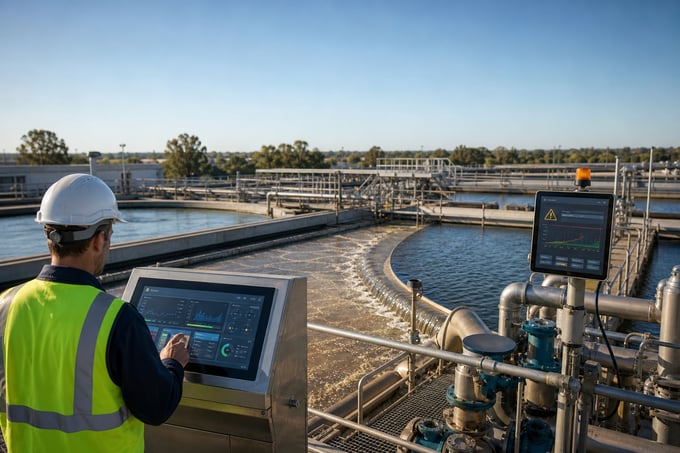
Modern wastewater treatment facilities enhance sedimentation efficiency through advanced monitoring and control systems. Key optimization strategies include:
Real-time Monitoring Systems
Implementing real-time monitoring solutions provides operators with crucial data about:
- Turbidity levels
- Suspended solids concentration
- Flow rates
- Sludge blanket levels
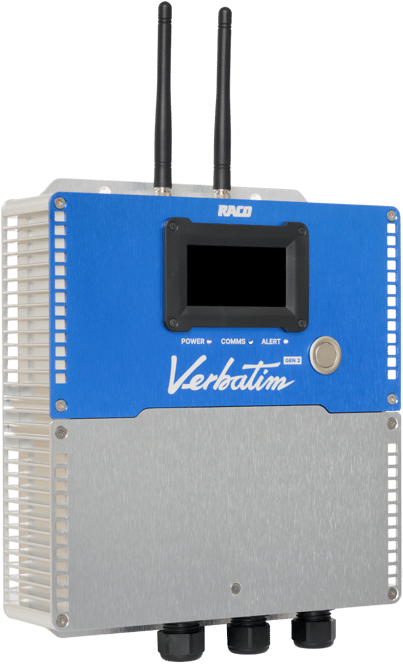
RACO's Catalyst® alarm monitoring system plays a vital role in maintaining optimal sedimentation performance by providing:
- 24/7 remote monitoring capabilities
- Instant alerts for process deviations
- Historical data analysis for process optimization
- Integration with SCADA systems
Common Sedimentation Challenges and Solutions
| Challenge | Solution | Monitoring Requirement |
|---|---|---|
| Short-circuiting | Baffle installation and flow pattern optimization | Flow rate monitoring |
| Rising sludge | Adjusted withdrawal rates and denitrification control | Sludge blanket monitoring |
| Temperature variations | Seasonal operating parameter adjustments | Temperature monitoring |
The Role of Automation in Sedimentation Process Control
Automation systems significantly improve sedimentation efficiency through:
Automated Sludge Removal
Modern sedimentation tanks utilize automated mechanisms for sludge removal, optimizing the process through:
- Programmable sludge withdrawal schedules
- Real-time sludge blanket monitoring
- Adaptive control based on loading conditions
Integration with Plant-wide Control Systems
RACO's AlarmAgent® facilitates seamless integration of sedimentation monitoring with overall plant operations, enabling:
- Coordinated process control
- Data-driven decision making
- Improved resource allocation
Best Practices for Sedimentation Management
To maintain optimal sedimentation performance:
- Regularly calibrate monitoring instruments
- Implement preventive maintenance schedules
- Train operators on process control strategies
- Document and analyze performance data
- Adjust operations based on seasonal variations
Future Trends in Sedimentation Technology
The future of sedimentation technology focuses on:
- Advanced sensor technology for real-time monitoring
- Machine learning algorithms for process optimization
- Energy-efficient design improvements
- Enhanced automation and remote control capabilities
Conclusion
Effective sedimentation remains crucial for wastewater treatment success. By implementing modern monitoring and control systems, facilities can optimize their sedimentation processes, ensure regulatory compliance, and improve operational efficiency. RACO's advanced monitoring solutions provide the tools necessary to achieve these goals, enabling treatment plants to maintain peak performance while protecting public health and the environment.
Recommended internal links: SCADA monitoring, wastewater treatment automation, alarm monitoring systems, remote monitoring solutions