

Water Cleaning Process Steps: A Comprehensive Guide to Modern Wastewater Treatment


Water Cleaning Process Steps: A Comprehensive Guide to Modern Wastewater Treatment
Understanding water cleaning process steps is crucial for maintaining public health and environmental safety. As populations grow and industrial activities expand, the need for efficient wastewater treatment becomes increasingly important. This comprehensive guide will walk you through the essential stages of water treatment, from preliminary screening to final disinfection, while highlighting the critical role of monitoring and automation in modern treatment facilities.
The Importance of Proper Water Treatment Processes
Clean water is fundamental to human survival and ecosystem health. Treatment facilities process millions of gallons daily, removing contaminants and ensuring water safety before release into the environment or redistribution for various uses. The water cleaning process steps must be carefully monitored and controlled to maintain consistent quality and meet regulatory requirements.
Primary Water Cleaning Process Steps
1. Preliminary Treatment
The initial phase of water cleaning removes large debris and materials that could damage equipment or interfere with subsequent treatment steps:
| Process | Purpose | Equipment Used |
|---|---|---|
| Screening | Remove large objects | Bar screens, mechanical screens |
| Grit removal | Extract sand and small stones | Grit chambers, cyclone separators |
| Flow equalization | Balance incoming water volume | Equalization basins, flow meters |
2. Primary Treatment
During primary treatment, physical processes separate suspended solids from the water:
- Sedimentation tanks allow heavier particles to settle
- Skimming removes floating materials like oils and grease
- Chemical coagulation may be used to enhance particle separation
3. Secondary Treatment
This biological treatment phase breaks down dissolved organic matter using beneficial microorganisms. Key processes include:
- Activated sludge treatment with aeration basins
- Trickling filters for biological filtration
- Secondary clarification to separate treated water from biomass
Advanced Treatment Processes
4. Tertiary Treatment
Advanced cleaning steps further polish the water quality:
| Treatment Method | Contaminants Removed | Applications |
|---|---|---|
| Membrane filtration | Fine particles, bacteria | Drinking water, industrial reuse |
| UV disinfection | Pathogens | Final sanitization |
| Chemical treatment | Specific pollutants | Industrial wastewater |
Monitoring and Control Systems in Water Treatment
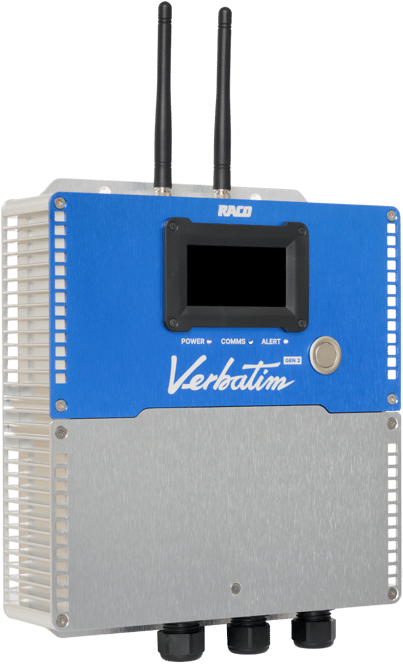
Modern water treatment facilities rely heavily on automated monitoring and control systems to maintain optimal performance. RACO Manufacturing & Engineering's Catalyst® and AlarmAgent® systems play crucial roles in:
- Real-time monitoring of water quality parameters
- Automated process control and adjustment
- Early warning detection for system anomalies
- Remote monitoring and reporting capabilities
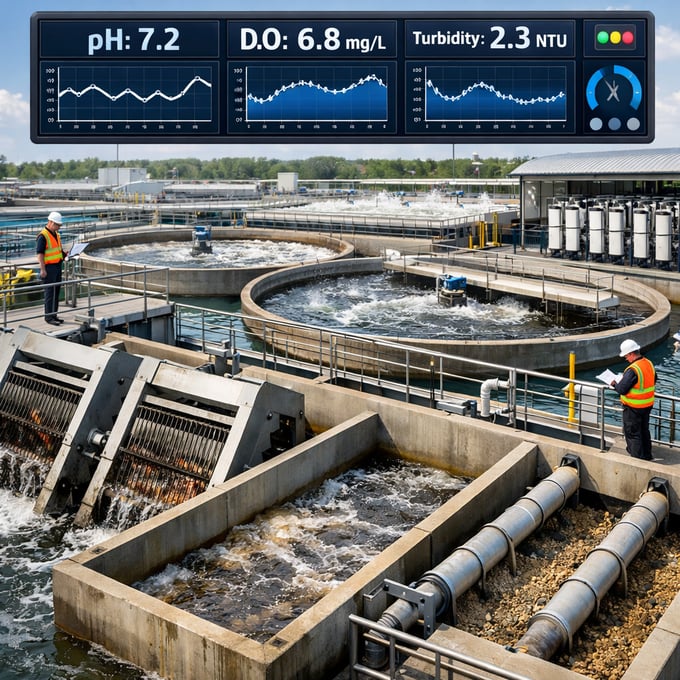
Critical Parameters Monitored During Water Cleaning
| Parameter | Importance | Monitoring Method |
|---|---|---|
| pH | Affects treatment efficiency | Continuous electronic monitoring |
| Dissolved oxygen | Essential for biological treatment | Online DO sensors |
| Turbidity | Indicates treatment effectiveness | Nephelometric sensors |
Optimizing Water Treatment Efficiency
To maximize the effectiveness of water cleaning process steps, treatment facilities should:
- Implement comprehensive preventive maintenance programs
- Regularly calibrate monitoring equipment
- Train operators in process control and troubleshooting
- Utilize advanced automation and monitoring systems
Common Challenges and Solutions
Treatment facilities often face various operational challenges that can impact water cleaning efficiency:
| Challenge | Impact | Solution |
|---|---|---|
| Equipment failure | Process interruption | Remote monitoring systems |
| Variable influent quality | Treatment inconsistency | Advanced process control |
| Energy costs | Operational expenses | Optimization algorithms |
Future Trends in Water Treatment
The water treatment industry continues to evolve with new technologies and approaches:
- Integration of artificial intelligence for process optimization
- Advanced membrane technologies
- Energy-efficient treatment methods
- Resource recovery from wastewater
Conclusion
Understanding and implementing proper water cleaning process steps is essential for effective wastewater treatment. By combining traditional treatment methods with modern monitoring and control systems, facilities can ensure consistent water quality while optimizing operational efficiency. RACO's monitoring solutions provide the necessary tools to maintain precise control over these critical processes, ensuring regulatory compliance and environmental protection.