

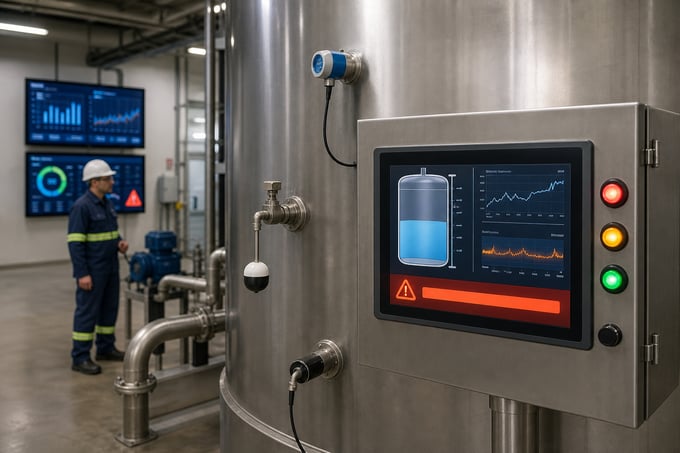
Water Detector Systems: The Complete Guide to Industrial Water Detection & Monitoring


Water Detector Systems: The Complete Guide to Industrial Water Detection & Monitoring
Water detection systems play a crucial role in protecting industrial facilities, preventing equipment damage, and ensuring operational continuity. Whether you're managing a wastewater treatment plant, operating a manufacturing facility, or overseeing a municipal pump station, understanding water detection technology is essential for maintaining safe and efficient operations.
Understanding Water Detector Technology
Water detectors are sophisticated devices designed to identify the presence of water or moisture in areas where it shouldn't be. These systems use various detection methods to alert facility managers of potential problems before they escalate into costly disasters.
Common Types of Water Detection Methods
| Detection Method | Application | Reliability |
|---|---|---|
| Conductivity Sensors | Flood detection, leak monitoring | High |
| Capacitive Sensors | Level monitoring, precision detection | Very High |
| Float Switches | Tank level monitoring, pump control | Medium |
| Optical Sensors | Non-contact level detection | High |
Critical Applications for Water Detectors
Industrial water detectors serve multiple essential functions across various sectors:
Wastewater Treatment Facilities
In wastewater treatment plants, water detectors monitor tank levels, prevent overflow conditions, and ensure proper treatment processes. These systems integrate with SCADA networks to provide real-time monitoring and control capabilities.
Manufacturing Facilities
Manufacturing operations rely on water detectors to protect sensitive equipment, prevent water damage, and maintain proper fluid levels in processing systems. Early detection of leaks can prevent production delays and equipment damage.
Municipal Pump Stations
Pump stations utilize water detectors to: - Monitor wet well levels - Control pump operation - Prevent overflow conditions - Alert operators to potential problems
Key Features of Modern Water Detection Systems
Today's industrial water detectors incorporate advanced features that enhance their functionality and reliability:
Remote Monitoring Capabilities
Modern water detection systems often include remote monitoring capabilities through cellular, radio, or ethernet connections. This allows operators to monitor conditions from anywhere and receive immediate alerts when problems arise.
Integration Options
The ability to integrate with existing control systems is crucial. Leading water detectors offer: - SCADA compatibility - Multiple communication protocols - Custom alarming options - Data logging capabilities
Selecting the Right Water Detector
Choosing the appropriate water detection system requires careful consideration of several factors:
Environmental Considerations
The operating environment significantly impacts detector selection. Consider: - Temperature ranges - Humidity levels - Chemical exposure - Physical hazards
Monitoring Requirements
Different applications require different monitoring capabilities: - Continuous vs. periodic monitoring - Alert thresholds - Response time requirements - Accuracy needs
Installation and Maintenance Best Practices
Proper installation and maintenance are critical for reliable water detection:
Installation Guidelines
Follow these key installation principles: - Place sensors in optimal locations - Ensure proper wiring and connections - Test system functionality thoroughly - Document installation details
Maintenance Schedule
Regular maintenance ensures continued reliability: - Monthly sensor checks - Quarterly calibration verification - Annual system testing - Documentation of all maintenance activities
Advanced Water Detection Solutions
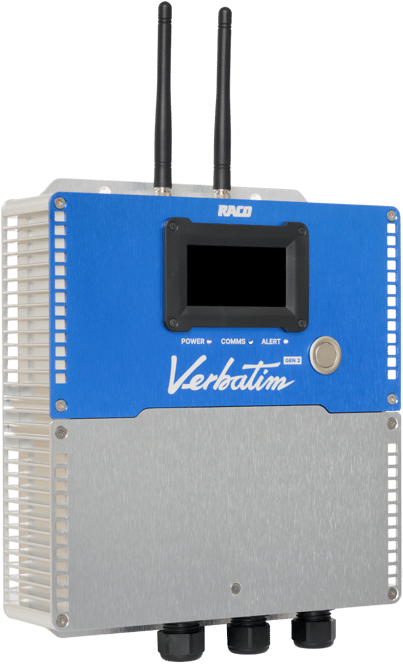
RACO Manufacturing & Engineering offers advanced water detection solutions designed specifically for industrial applications. Our systems provide:
| Feature | Benefit |
|---|---|
| Cellular/Radio Communication | Remote monitoring and control |
| Data Logging | Historical analysis and trending |
| Custom Alarming | Targeted notifications and responses |
| SCADA Integration | Seamless system connectivity |
Future Trends in Water Detection
The water detection industry continues to evolve with new technologies and capabilities:
Emerging Technologies
Watch for these developing trends: - AI-powered analysis - IoT integration - Predictive maintenance capabilities - Enhanced sensor accuracy
Conclusion
Effective water detection is crucial for industrial operations. By understanding the available technologies, selecting appropriate systems, and maintaining them properly, facilities can prevent water-related problems and ensure operational continuity. Contact RACO Manufacturing & Engineering to learn how our water detection solutions can protect your facility and improve your operations.