

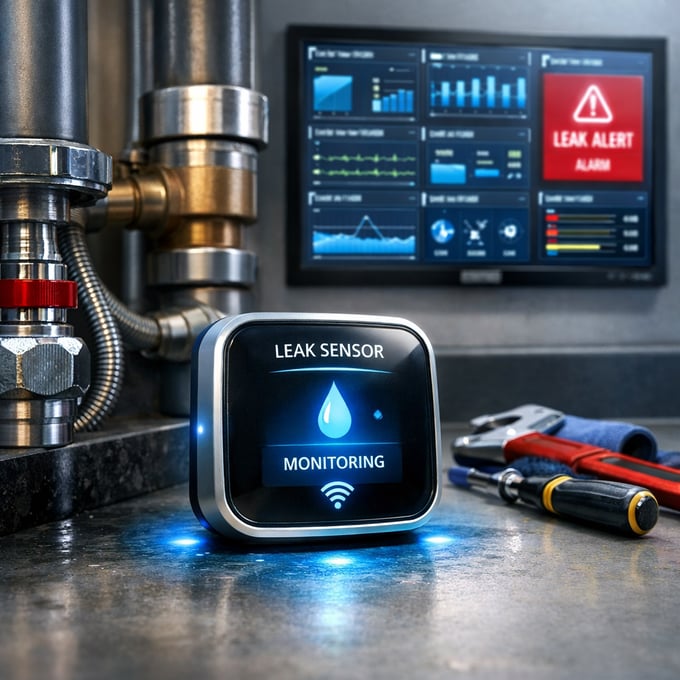
Water Leak Detection Sensors: The Ultimate Guide to Preventing Costly Water Damage


Water Leak Detection Sensors: The Ultimate Guide to Preventing Costly Water Damage
Water leaks can silently wreak havoc on facilities, causing extensive damage and astronomical repair costs before anyone notices the problem. Whether you manage a municipal water system, industrial facility, or commercial building, implementing an effective water leak detection sensor system isn't just an option – it's a necessity. This comprehensive guide will explore everything you need to know about water leak detection sensors and how they can protect your infrastructure investments.
Understanding Water Leak Detection Sensors: The Basics
Water leak detection sensors are sophisticated devices designed to identify and alert facility managers about water leaks before they become catastrophic problems. These sensors use various technologies to detect the presence of water or changes in flow patterns that indicate a potential leak.
Types of Water Leak Detection Sensors
Different applications require different types of leak detection technology. Here are the main categories:
| Sensor Type | Best Application | Detection Method |
|---|---|---|
| Spot Detectors | Specific locations (e.g., under sinks, near pipes) | Direct water contact |
| Cable Sensors | Large areas or along pipelines | Continuous monitoring along length |
| Flow Sensors | Supply lines and distribution systems | Monitors water flow patterns |
| Acoustic Sensors | Underground or concealed pipes | Detects leak sound signatures |
Critical Features of Modern Water Leak Detection Sensors
Today's water leak detection sensors incorporate advanced features that make them more reliable and effective than ever before:
Remote Monitoring Capabilities
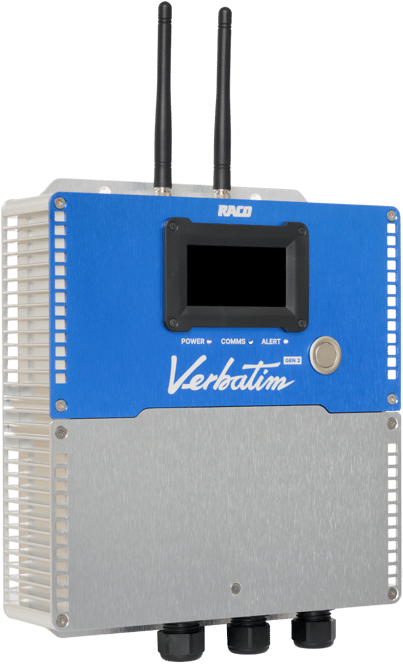
Modern sensors connect to alarm monitoring systems like RACO's Verbatim Gateway, enabling real-time alerts and remote monitoring. This integration allows facility managers to:
- Receive instant notifications when leaks are detected
- Monitor multiple locations from a central dashboard
- Access historical data and trending information
- Generate comprehensive reports for compliance and maintenance planning
Installation Considerations for Water Leak Detection Sensors
Proper installation is crucial for optimal sensor performance. Consider these key factors when planning your leak detection system:
Strategic Placement
Sensors should be installed in high-risk areas such as:
| Location | Risk Level | Recommended Sensor Type |
|---|---|---|
| Pump Stations | High | Flow + Spot Detectors |
| Distribution Lines | Medium-High | Cable + Acoustic Sensors |
| Storage Facilities | Medium | Spot + Cable Sensors |
| Connection Points | High | Spot Detectors |
Integration with Alarm Systems
To maximize the effectiveness of water leak detection sensors, integration with a robust alarm system is essential. RACO's alarm monitoring solutions provide:
- 24/7 automated monitoring and notification
- Customizable alert protocols
- Multiple communication channels (voice, text, email)
- Data logging and reporting capabilities
Maintenance and Testing Requirements
Regular maintenance ensures your water leak detection sensors continue functioning reliably:
Recommended Maintenance Schedule
| Task | Frequency | Priority |
|---|---|---|
| Physical Inspection | Monthly | High |
| Sensitivity Testing | Quarterly | Medium |
| System Calibration | Annually | High |
| Battery Replacement | As needed (12-24 months) | Medium |
Cost Considerations and ROI
While implementing a water leak detection sensor system requires initial investment, the potential savings far outweigh the costs:
Cost Factors
Consider these elements when calculating total system cost:
- Hardware costs (sensors, cables, monitoring equipment)
- Installation expenses
- Integration with existing systems
- Ongoing maintenance and monitoring
Return on Investment
The ROI for water leak detection sensors typically comes from:
- Prevented water damage repairs
- Reduced insurance premiums
- Lower water bills
- Extended infrastructure lifespan
Future Trends in Water Leak Detection
The water leak detection sensor industry continues to evolve with emerging technologies:
- AI-powered leak prediction
- IoT integration for enhanced monitoring
- Advanced analytics for preventive maintenance
- Smart city integration capabilities
Conclusion
Water leak detection sensors are essential tools for protecting infrastructure and preventing costly water damage. By understanding the various types available, implementing proper installation practices, and maintaining regular testing schedules, facility managers can significantly reduce the risk of water-related disasters. When combined with RACO's advanced alarm monitoring solutions, these sensors provide comprehensive protection and peace of mind.
Ready to enhance your facility's water leak detection capabilities? Contact RACO Manufacturing & Engineering today to learn how our alarm monitoring solutions can integrate with your water leak detection sensors for optimal protection.