

Water Leak Detection Systems: The Complete Guide to Protecting Your Infrastructure (2024)


Water Leak Detection Systems: The Complete Guide to Protecting Your Infrastructure (2024)
Water infrastructure faces unprecedented challenges in 2024, with aging systems and increasing environmental pressures making water leak detection systems more crucial than ever. According to the EPA, the average household's leaks waste nearly 10,000 gallons of water annually, while municipal water systems lose an estimated 2.1 trillion gallons through leaks each year. This comprehensive guide explores how modern water leak detection systems are revolutionizing infrastructure protection and conservation efforts.
Understanding Water Leak Detection Systems: The Fundamentals
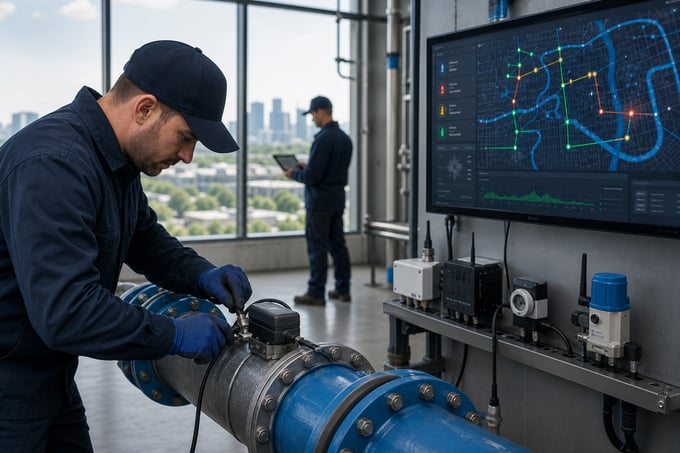
Water leak detection systems are sophisticated networks of sensors, monitors, and analytical tools designed to identify and alert operators to water leaks before they become catastrophic failures. These systems serve as the first line of defense against water loss, property damage, and resource waste.
Core Components of Modern Leak Detection Systems
| Component | Function | Benefits |
|---|---|---|
| Sensors | Monitor flow rates, pressure, and moisture levels | Real-time data collection and early warning |
| Control Units | Process sensor data and manage system operations | Centralized monitoring and control |
| Communication Systems | Transmit alerts and data to operators | Immediate response capability |
| Automated Shutoff Valves | Stop water flow when leaks are detected | Prevent catastrophic damage |
Types of Water Leak Detection Systems
1. Passive Leak Detection Systems
Passive systems rely on visible signs of water leaks, such as moisture sensors or float switches. While cost-effective, they typically only detect leaks after water accumulation has begun.
2. Active Leak Detection Systems
Active systems continuously monitor water flow and pressure, providing real-time alerts before visible damage occurs. These systems often integrate with building management systems and can automatically shut off water supplies.
3. Smart Leak Detection Systems
The latest generation of leak detection technology incorporates AI and machine learning to predict potential leaks before they occur. These systems analyze patterns in water usage and infrastructure performance to identify anomalies.
Key Features of Advanced Water Leak Detection Systems
Remote Monitoring Capabilities
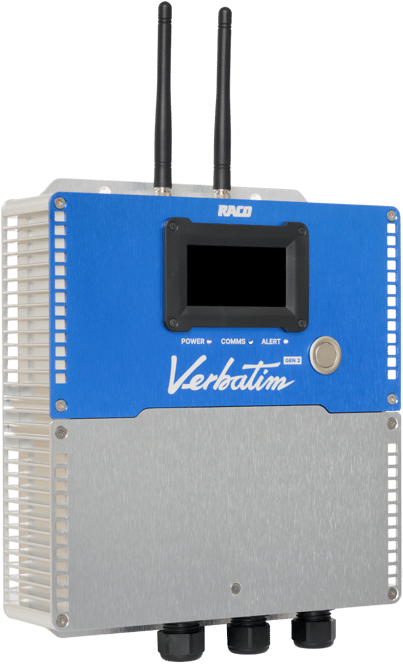
Modern systems enable operators to monitor water infrastructure from anywhere using mobile devices or computers. RACO's Catalyst™ platform exemplifies this functionality, providing comprehensive remote monitoring and control capabilities.
Integration with SCADA Systems
Water leak detection systems should seamlessly integrate with existing SCADA infrastructure, enabling comprehensive facility management and data analysis.
Automated Alert Systems
Sophisticated alert protocols ensure the right personnel are notified immediately when anomalies are detected. These systems can utilize multiple communication channels, including:
- SMS text messages
- Email notifications
- Voice calls
- Mobile app push notifications
Implementation Strategies for Water Leak Detection Systems
Site Assessment and System Design
Successful implementation begins with a thorough site assessment to identify critical monitoring points and potential vulnerabilities. This process includes:
| Assessment Phase | Key Considerations |
|---|---|
| Infrastructure Mapping | Document all water lines, connection points, and high-risk areas |
| Risk Analysis | Identify critical assets and potential failure points |
| System Specification | Determine sensor types, quantities, and placement |
| Integration Planning | Plan connection with existing monitoring systems |
Maintenance and Optimization
Regular maintenance ensures optimal system performance and longevity. Key maintenance activities include:
Preventive Maintenance Schedule
Develop a comprehensive maintenance schedule that includes:
- Quarterly sensor calibration and testing
- Annual system performance reviews
- Regular software updates and security patches
- Battery replacement for wireless components
Cost Considerations and ROI
While implementing water leak detection systems requires initial investment, the return on investment typically manifests through:
| Benefit Category | Potential Savings |
|---|---|
| Water Conservation | 15-20% reduction in water waste |
| Property Damage Prevention | Up to 93% reduction in water damage claims |
| Insurance Premium Reduction | 5-15% potential reduction in premiums |
| Operational Efficiency | 20-30% improvement in maintenance efficiency |
Future Trends in Water Leak Detection
The water leak detection industry continues to evolve with emerging technologies:
Artificial Intelligence and Machine Learning
AI-powered systems are becoming increasingly sophisticated in predicting potential leaks before they occur, analyzing patterns in water usage and infrastructure performance to identify anomalies.
IoT Integration
The Internet of Things (IoT) is enabling more comprehensive monitoring networks, with interconnected sensors providing detailed insights into water infrastructure performance.
Conclusion
Water leak detection systems represent a critical investment in infrastructure protection and resource conservation. As technology continues to advance, these systems become increasingly sophisticated and effective at preventing water loss and protecting valuable assets. Organizations looking to implement or upgrade their leak detection capabilities should consider partnering with experienced providers like RACO Manufacturing & Engineering to ensure optimal system design and implementation.
Recommended Internal Links:
- SCADA systems
- Remote monitoring solutions
- Alarm notification systems
- Water infrastructure management
- Pump station monitoring