

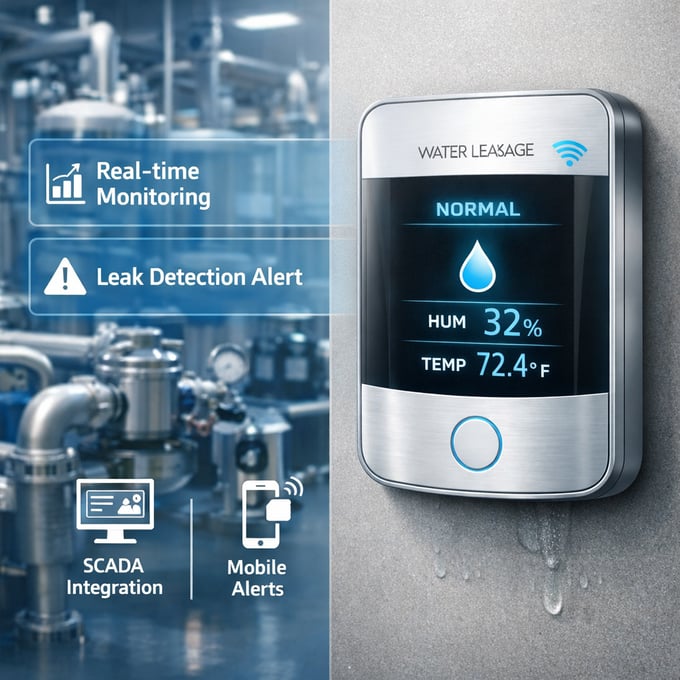
Water Leakage Sensors: The Complete Guide to Early Detection and Damage Prevention


Water Leakage Sensors: The Complete Guide to Early Detection and Damage Prevention
Water damage from undetected leaks costs property owners and municipalities billions of dollars annually. Whether you're managing a water treatment facility, operating an industrial plant, or protecting critical infrastructure, understanding and implementing water leakage sensor technology is crucial for preventing catastrophic failures and maintaining operational efficiency.
Understanding Water Leakage Sensors: The Fundamentals
Water leakage sensors are sophisticated devices designed to detect the presence of water in locations where it shouldn't be. These sensors serve as an early warning system, alerting facility managers and operators before minor leaks become major disasters.
Types of Water Leakage Sensors
| Sensor Type | Application | Benefits |
|---|---|---|
| Spot Detectors | Specific location monitoring | Precise location detection, cost-effective |
| Cable Sensors | Large area coverage | Continuous monitoring, flexible installation |
| Ultrasonic Sensors | Non-invasive pipe monitoring | No direct water contact needed, accurate flow measurement |
| Pressure Sensors | Pipeline monitoring | Early leak detection, pressure anomaly identification |
Critical Applications for Water Leakage Sensors
Water leakage sensors play vital roles across various industries and applications:
Municipal Water Systems
In municipal water systems, leakage sensors help utilities identify non-revenue water losses and maintain infrastructure integrity. Advanced monitoring systems can detect leaks as small as 0.1 gallons per minute, enabling proactive maintenance before catastrophic failures occur.
Industrial Facilities
Manufacturing plants rely on water leakage sensors to protect expensive equipment and maintain production continuity. These sensors are particularly crucial in areas with water-sensitive electronics or where water contamination could compromise product quality.
Critical Infrastructure
Data centers, electrical substations, and telecommunications facilities employ comprehensive water detection systems to prevent equipment damage and service interruptions.
Integration with Modern Monitoring Systems
Today's water leakage sensors are more than standalone devices. They're integral components of comprehensive monitoring solutions that include:
SCADA Integration
Modern leakage sensors seamlessly integrate with SCADA systems, providing real-time data and enabling automated responses to detected leaks. This integration allows operators to:
- Monitor multiple locations simultaneously
- Receive instant alerts through various communication channels
- Generate detailed reports for compliance and maintenance planning
- Implement automated emergency responses
Remote Monitoring Capabilities
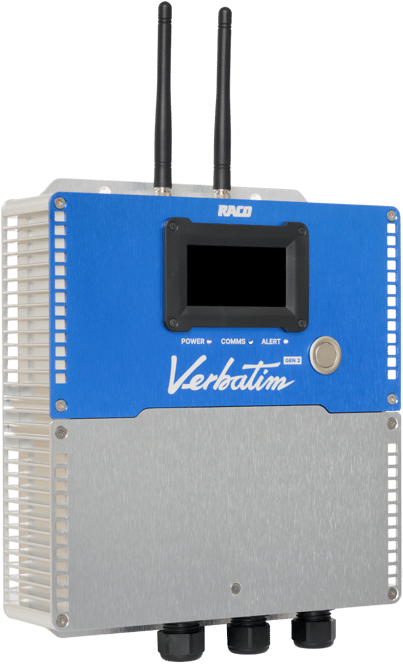
RACO's Catalyst monitoring system exemplifies modern remote monitoring capabilities, offering:
| Feature | Benefit |
|---|---|
| 24/7 Alert Notifications | Immediate response to detected leaks |
| Cloud-Based Data Storage | Historical trend analysis and reporting |
| Mobile Access | Monitor systems from anywhere |
| Custom Alert Parameters | Tailored monitoring for specific needs |
Best Practices for Water Leakage Sensor Implementation
Strategic Sensor Placement
Effective water leak detection requires careful consideration of sensor placement:
- Near critical equipment and infrastructure
- Along main water supply lines
- In areas with historical leak issues
- Below potential water entry points
Regular Maintenance and Testing
To ensure reliable operation, implement a regular maintenance schedule that includes:
- Monthly sensor testing and calibration
- Quarterly system-wide diagnostics
- Annual comprehensive reviews and updates
Selecting the Right Water Leakage Sensor System
When choosing a water leakage sensor system, consider these crucial factors:
Environmental Conditions
Select sensors rated for your specific environment, considering factors like:
- Temperature ranges
- Humidity levels
- Chemical exposure risks
- Physical impact potential
Integration Requirements
Ensure compatibility with existing systems and future expansion plans by evaluating:
- Communication protocols
- Data storage requirements
- Alert notification preferences
- Reporting capabilities
The Future of Water Leakage Detection
The water leakage sensor industry continues to evolve with emerging technologies:
AI and Machine Learning
Advanced algorithms are improving leak detection accuracy and predictive maintenance capabilities, reducing false alarms and operating costs.
IoT Integration
Internet of Things (IoT) connectivity is enabling more comprehensive monitoring networks and improved data analysis capabilities.
Conclusion
Water leakage sensors are essential tools for protecting infrastructure and preventing costly water damage. By implementing a comprehensive monitoring solution with appropriate sensors and integration capabilities, organizations can significantly reduce risk and improve operational efficiency.
For expert guidance on selecting and implementing water leakage sensor systems, contact RACO Manufacturing & Engineering. Our team of specialists can help you design a customized solution that meets your specific needs and ensures reliable leak detection and prevention.