

Water Level Sensor for Tank: The Complete Guide to Selection, Installation & Monitoring (2024)


Water Level Sensor for Tank: The Complete Guide to Selection, Installation & Monitoring (2024)
Managing tank levels effectively is crucial across numerous industries, from water treatment facilities to chemical processing plants. A reliable water level sensor for tank applications serves as the foundation for efficient operations, safety compliance, and cost control. This comprehensive guide will help you understand everything you need to know about tank level sensors, ensuring you make an informed decision for your specific application.
Understanding Water Level Sensors for Tanks: The Basics
A water level sensor for tank monitoring is a device that measures and reports the fluid level within a storage vessel. These sensors play a vital role in preventing overflow, running dry conditions, and maintaining optimal operational efficiency. Modern sensors can provide continuous level monitoring, point level detection, or both, depending on the specific requirements of your application.
Types of Water Level Sensors for Tanks
| Sensor Type | Best For | Advantages | Limitations |
|---|---|---|---|
| Ultrasonic | Non-contact measurement | No direct contact with liquid, low maintenance | Can be affected by foam/vapor |
| Pressure Transducers | Deep tanks, high accuracy needs | Highly accurate, reliable | Requires direct contact with liquid |
| Float Switches | Simple level detection | Cost-effective, easy to install | Moving parts can wear out |
| Capacitive | Various liquid types | Versatile, no moving parts | Can be affected by material buildup |
Key Features to Consider When Selecting a Tank Level Sensor
Choosing the right water level sensor for tank applications requires careful consideration of several factors:
1. Measurement Accuracy Requirements
Different applications require varying levels of accuracy. While water treatment plants might need precision within ±0.1%, storage tanks for non-critical applications might function well with ±1% accuracy. Understanding your accuracy requirements helps narrow down suitable sensor options.
2. Tank Characteristics
Consider these physical aspects of your tank:
- Tank material (metal, plastic, concrete) - Tank dimensions and shape - Installation points available - Environmental conditions (temperature, pressure, humidity)3. Media Properties
The characteristics of the liquid being measured significantly impact sensor selection:
- Conductivity - Viscosity - Temperature range - Presence of foam or turbulence - CorrosivenessInstallation Best Practices for Tank Level Sensors
Proper installation is crucial for optimal performance of your water level sensor for tank monitoring. Follow these guidelines to ensure reliable operation:
Mounting Location Considerations
Select a mounting location that provides:
- Clear line of sight for non-contact sensors - Easy access for maintenance - Protection from extreme environmental conditions - Stable mounting surface - Appropriate distance from inflow/outflow pointsWiring and Communication Requirements
Modern tank level sensors often require specific wiring configurations and may offer various communication protocols:
- 4-20mA analog output - HART protocol - Modbus RTU/TCP - Wireless options (where applicable)Advanced Monitoring and Integration Capabilities
Today's water level sensor for tank systems often includes advanced features that enhance monitoring capabilities:
Remote Monitoring Solutions
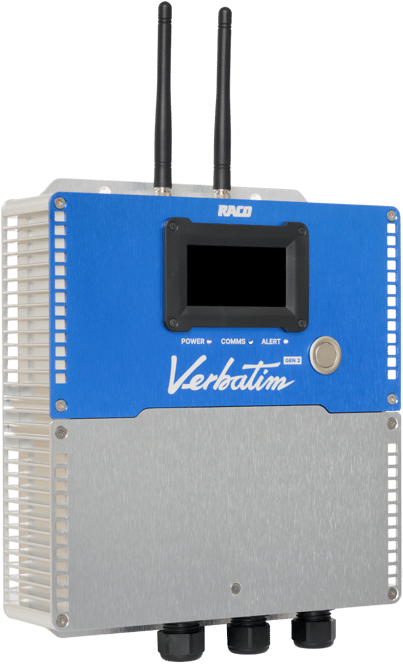
Modern tank level monitoring systems, like RACO's Verbatim Gateway, provide:
- Real-time level data access - Mobile app integration - Cloud-based data storage - Automated alerts and notifications - Historical data analysisIntegration with Control Systems
Level sensors can integrate with:
- SCADA systems - PLC controllers - Building management systems - Custom control applicationsMaintenance and Troubleshooting
Regular maintenance ensures long-term reliability of your water level sensor for tank applications:
Preventive Maintenance Schedule
| Task | Frequency | Purpose |
|---|---|---|
| Visual inspection | Monthly | Check for physical damage or wear |
| Calibration check | Quarterly | Verify accuracy |
| Clean sensor elements | As needed | Remove buildup or deposits |
| Full system test | Annually | Comprehensive performance verification |
Cost Considerations and ROI
When evaluating the total cost of ownership for a water level sensor for tank systems, consider:
- Initial equipment cost - Installation expenses - Maintenance requirements - Energy consumption - Expected lifespan - Potential savings from improved efficiency - Cost of potential failures or inaccurate readingsSafety and Compliance Considerations
Ensure your tank level sensor meets relevant safety standards and regulations:
- Hazardous location certifications (if applicable) - Environmental protection ratings - Industry-specific compliance requirements - Local code requirementsConclusion
Selecting and implementing the right water level sensor for tank applications is crucial for efficient operations and safety compliance. By carefully considering your specific requirements, understanding available technologies, and following proper installation and maintenance procedures, you can ensure reliable and accurate level monitoring for your application.
For expert guidance on selecting and implementing the right tank level monitoring solution for your specific needs, contact RACO's team of specialists. Our extensive experience in industrial monitoring solutions ensures you get the most appropriate and reliable system for your application.