

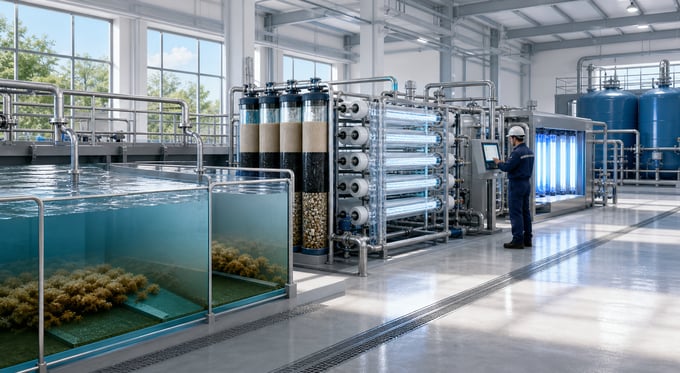
Water Purification Process: A Comprehensive Guide to Clean Water Treatment


Water Purification Process: A Comprehensive Guide to Clean Water Treatment
Clean water is fundamental to human survival, yet millions worldwide lack access to safe drinking water. Understanding the water purification process is crucial for anyone involved in water treatment, whether at an industrial scale or for home use. This comprehensive guide explores the essential steps and technologies that transform raw water into safe, potable water.
Understanding the Importance of Water Purification
Water purification is more than just making water look clean. It's a complex process that removes contaminants, pathogens, and unwanted substances that could pose health risks. Modern water purification processes combine multiple treatment methods to ensure water meets strict safety standards.
Common contaminants removed during purification include:
| Contaminant Type | Examples | Health Risks |
|---|---|---|
| Physical | Sediment, debris, suspended solids | Turbidity, aesthetic issues |
| Chemical | Heavy metals, pesticides, chlorine | Cancer, organ damage, developmental issues |
| Biological | Bacteria, viruses, parasites | Waterborne diseases, infections |
| Radiological | Uranium, radium | Cancer, genetic damage |
The Six Main Stages of Water Purification
1. Pre-treatment and Screening
The initial stage of water purification involves removing large debris and particles. This crucial step protects downstream equipment and improves the efficiency of subsequent treatment processes. Advanced monitoring systems, like RACO's Catalyst, can help operators track water quality parameters during this stage.
2. Coagulation and Flocculation
During this stage, chemical coagulants are added to the water to destabilize suspended particles. These particles then clump together (flocculate) into larger masses called flocs. The process requires precise chemical dosing and mixing, which can be automated through modern control systems.
3. Sedimentation
Sedimentation allows the flocs to settle to the bottom of treatment tanks by gravity. This process typically occurs in large settling basins where:
- Heavier particles sink to the bottom
- Clarified water moves to the next treatment stage
- Settled solids are removed for proper disposal
4. Filtration
Filtration removes smaller particles that didn't settle during sedimentation. Modern water treatment plants employ multiple filtration methods:
| Filtration Type | Process | Effectiveness |
|---|---|---|
| Sand Filtration | Water passes through layers of sand and gravel | Removes particles larger than 25 microns |
| Carbon Filtration | Adsorbs organic compounds and chlorine | Removes taste and odor compounds |
| Membrane Filtration | Uses semi-permeable membranes | Removes particles down to 0.001 microns |
5. Disinfection
Disinfection eliminates harmful microorganisms. Common methods include:
- Chlorination - Most widely used method globally
- UV Treatment - Chemical-free alternative
- Ozonation - Powerful oxidizing agent
6. Storage and Distribution
The final stage involves storing treated water and maintaining its quality throughout the distribution system. This requires continuous monitoring and automated control systems to ensure water quality doesn't deteriorate before reaching consumers.
Advanced Purification Technologies
Modern water treatment facilities increasingly employ advanced technologies to enhance the purification process:
Reverse Osmosis (RO)
RO systems use pressure to force water through a semi-permeable membrane, removing dissolved solids, including:
- Salt and minerals
- Heavy metals
- Certain chemicals
Ion Exchange
This process removes dissolved ions from water by exchanging them with other ions. It's particularly effective for water softening and specific contaminant removal.
Monitoring and Control Systems in Water Purification
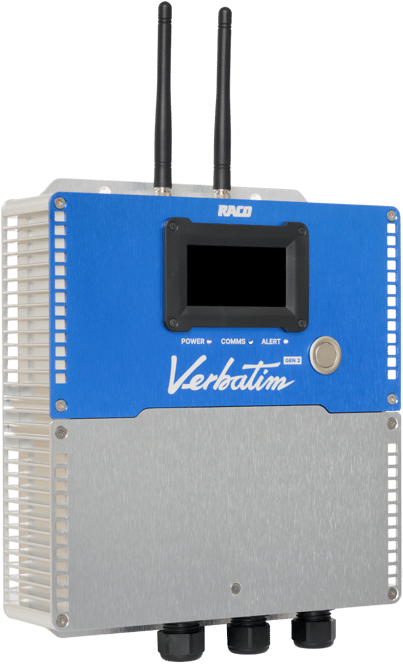
Effective water purification relies heavily on automated monitoring and control systems. RACO's alarm monitoring systems play a crucial role in maintaining water quality by:
- Continuously monitoring water quality parameters
- Alerting operators to system anomalies
- Tracking treatment chemical levels
- Recording operational data for compliance reporting
Environmental Impact and Sustainability
Modern water purification processes must balance effectiveness with environmental responsibility. Key considerations include:
| Aspect | Challenge | Solution |
|---|---|---|
| Energy Usage | High energy consumption | Energy-efficient equipment, renewable energy |
| Chemical Usage | Environmental impact | Green chemicals, optimal dosing |
| Waste Management | Treatment residuals | Recycling, beneficial reuse |
Future Trends in Water Purification
The water purification industry continues to evolve with new technologies and approaches:
- Smart monitoring systems with AI capabilities
- Nanotechnology-based treatment methods
- Sustainable purification processes
- Advanced membrane technologies
Conclusion
The water purification process is a critical component of modern infrastructure, ensuring safe drinking water for communities worldwide. Understanding these processes helps operators optimize treatment systems and maintain water quality. With advancing technology and increasing environmental concerns, the future of water purification will continue to evolve, making it more efficient and sustainable.
For more information about monitoring and control solutions for water purification systems, contact RACO Manufacturing & Engineering to learn how our advanced alarm systems can help optimize your water treatment operations.