

Water Reuse: A Comprehensive Guide to Sustainable Water Management Solutions


Water Reuse: A Comprehensive Guide to Sustainable Water Management Solutions
As global water scarcity becomes an increasingly pressing concern, water reuse has emerged as a critical solution for sustainable water management. With growing populations and climate change impacts straining our freshwater resources, understanding and implementing water reuse strategies is more important than ever. This comprehensive guide explores the fundamentals of water reuse, its applications, and how modern technology is revolutionizing water conservation efforts.
Understanding Water Reuse: Definition and Importance
Water reuse, also known as water recycling or water reclamation, is the process of treating wastewater to make it suitable for various applications. This practice helps conserve precious freshwater resources while providing a reliable, drought-resistant water supply. The importance of water reuse cannot be overstated, as it:
- Reduces pressure on freshwater sources
- Provides a sustainable water supply for various applications
- Decreases wastewater discharge into natural water bodies
- Helps communities become more resilient to drought
Types of Water Reuse Applications
Water reuse systems can be implemented in various contexts, each serving different purposes and requiring specific treatment levels:
| Application Type | Description | Treatment Level Required |
|---|---|---|
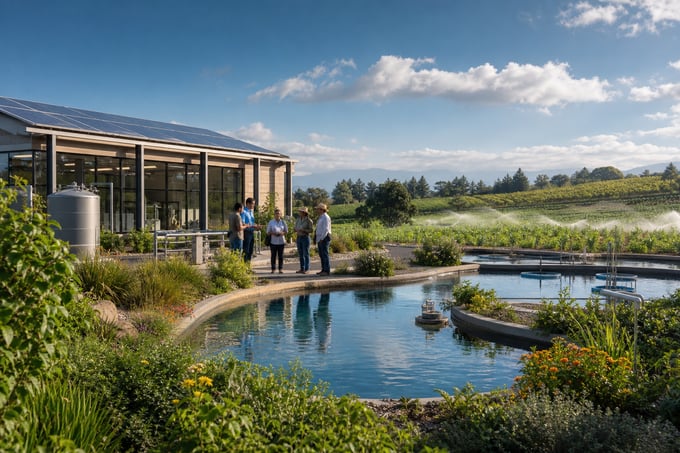
| Agricultural Irrigation | Crop irrigation and livestock operations | Secondary to Tertiary |
| Industrial Processes | Cooling towers, process water, manufacturing | Varies by industry |
| Urban Non-potable | Landscape irrigation, toilet flushing | Tertiary |
| Indirect Potable Reuse | Groundwater recharge, surface water augmentation | Advanced |
| Direct Potable Reuse | Drinking water supply | Advanced with multiple barriers |
The Water Reuse Treatment Process
Modern water reuse systems employ multiple treatment stages to ensure water quality meets specific requirements for its intended use. The typical treatment process includes:
1. Primary Treatment
Initial screening and settling remove large particles and suspended solids. This fundamental step prepares water for more advanced treatment processes.
2. Secondary Treatment
Biological processes break down organic matter and remove additional contaminants. This stage typically involves activated sludge processes and clarification.
3. Tertiary Treatment
Advanced filtration and disinfection processes further purify the water. This may include membrane filtration, UV disinfection, or chemical treatment.
4. Advanced Treatment (When Required)
For potable reuse applications, additional treatment steps such as reverse osmosis, advanced oxidation, and multiple disinfection barriers ensure the highest water quality standards.
Monitoring and Control Systems in Water Reuse
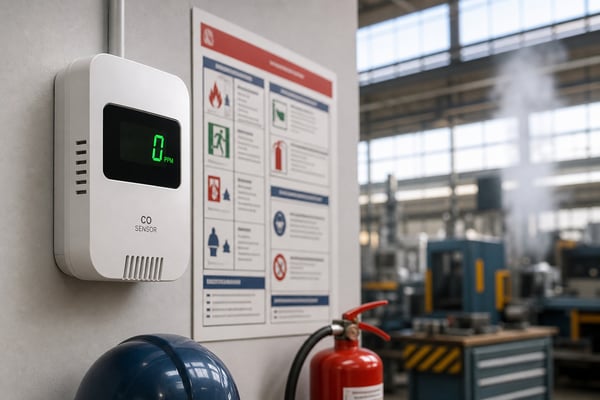
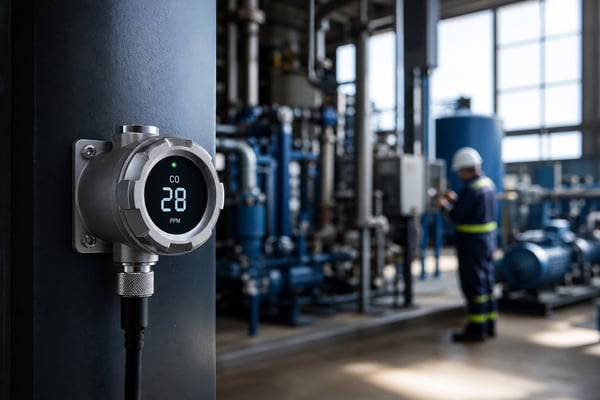
Successful water reuse programs rely heavily on sophisticated monitoring and control systems. RACO Manufacturing & Engineering's alarm monitoring systems play a crucial role in ensuring water reuse facilities operate efficiently and safely. These systems:
- Provide real-time monitoring of water quality parameters
- Alert operators to system malfunctions or quality issues
- Enable remote monitoring and control of treatment processes
- Help maintain regulatory compliance
Economic Benefits of Water Reuse
Implementing water reuse systems offers significant economic advantages:
| Benefit Category | Description | Impact |
|---|---|---|
| Cost Savings | Reduced water procurement costs | 15-30% reduction in water expenses |
| Infrastructure | Decreased strain on existing systems | Extended infrastructure lifespan |
| Resource Recovery | Nutrient and energy recovery potential | Additional revenue streams |
Challenges and Solutions in Water Reuse Implementation
While water reuse offers numerous benefits, several challenges must be addressed:
Public Perception
Education and outreach programs are essential to overcome the "yuck factor" associated with recycled water. Transparent communication about treatment processes and safety measures helps build public trust.
Regulatory Compliance
Meeting stringent regulatory requirements requires advanced monitoring and control systems. RACO's alarm monitoring solutions help facilities maintain compliance by providing continuous oversight of critical parameters.
Infrastructure Requirements
Implementing water reuse systems often requires significant infrastructure investment. However, the long-term benefits typically outweigh initial costs.
Future of Water Reuse
The water reuse industry continues to evolve with technological advancements and growing acceptance. Key trends include:
- Integration of artificial intelligence and machine learning for process optimization
- Development of more energy-efficient treatment technologies
- Expansion of direct potable reuse applications
- Increased focus on decentralized water reuse systems
Conclusion
Water reuse represents a crucial component of sustainable water management strategies. As technology advances and public acceptance grows, water reuse will play an increasingly important role in ensuring water security for future generations. By implementing robust monitoring and control systems, such as those provided by RACO Manufacturing & Engineering, organizations can effectively manage their water reuse programs while maintaining the highest standards of safety and efficiency.
Recommended Internal Links:
- Wastewater Treatment
- Alarm Monitoring Systems
- Remote Monitoring Solutions
- Water Quality Management
- SCADA Systems