

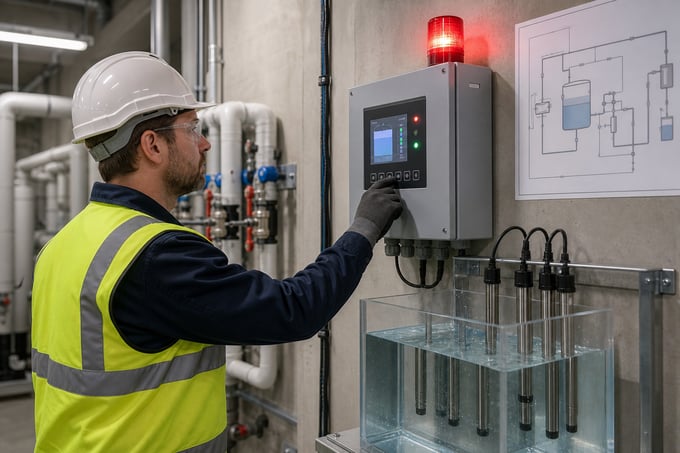
Water Sensor Alarms: The Complete Guide to Leak Detection & Flood Protection [2024]


Water Sensor Alarms: The Complete Guide to Leak Detection & Flood Protection [2024]
Water damage can devastate homes, businesses, and industrial facilities, often resulting in costly repairs and dangerous conditions. Whether you're managing a wastewater treatment facility, protecting a basement from flooding, or safeguarding critical infrastructure, understanding water sensor alarms is crucial for preventing water-related disasters.
What is a Water Sensor Alarm?
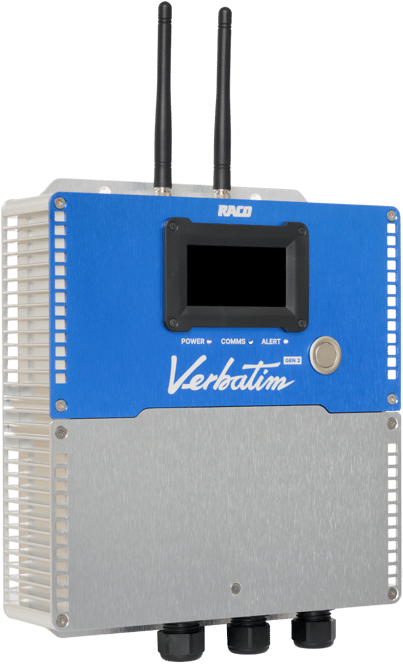
A water sensor alarm is a sophisticated detection system that monitors water presence, level, or flow in various environments. These devices provide early warning signals when water is detected where it shouldn't be or when water levels exceed predetermined thresholds.
Key Components of Water Sensor Alarm Systems
| Component | Function |
|---|---|
| Sensor Probe | Detects water presence through conductivity or float mechanisms |
| Control Unit | Processes sensor signals and triggers alarm responses |
| Alarm Mechanism | Produces audible, visual, or remote notifications |
| Power Supply | Provides consistent power through AC or battery backup |
Types of Water Sensor Alarms
1. Contact Sensors
These basic sensors use two or more probes to detect water through electrical conductivity. When water bridges the probes, the circuit completes, triggering an alarm. Ideal for detecting floor-level water accumulation in basements or around equipment.
2. Float Switches
Float switches use buoyancy to monitor water levels in tanks, sumps, or wells. As water levels rise or fall, the float mechanism triggers appropriate responses. These are essential in wastewater management and industrial applications.
3. Ultrasonic Sensors
Using sound waves to measure distance, ultrasonic sensors provide precise water level measurements without direct contact. They're particularly useful in harsh environments where physical contact with the liquid might be problematic.
Applications Across Industries
Municipal Water Management
Water sensor alarms play a critical role in municipal water systems, monitoring:
- Lift station levels
- Treatment plant processes
- Distribution system integrity
- Storage tank levels
Industrial Applications
Manufacturing facilities rely on water sensor alarms for:
Process control, equipment protection, and environmental compliance. These systems often integrate with SCADA systems for comprehensive monitoring and control.
Commercial Buildings
Building managers utilize water sensor alarms to protect:
- Server rooms and data centers
- Basement storage areas
- HVAC equipment rooms
Advanced Features in Modern Water Sensor Alarms
Remote Monitoring Capabilities
Today's water sensor alarms often include advanced communication features such as:
| Feature | Benefit |
|---|---|
| SMS Alerts | Instant notification to mobile devices |
| Email Notifications | Detailed status updates and reports |
| Cloud Integration | Data logging and trend analysis |
| Mobile Apps | Remote system control and monitoring |
Installation and Maintenance Best Practices
Proper Sensor Placement
Strategic sensor placement is crucial for effective water detection. Consider these factors:
- Identify potential water entry points
- Account for floor slopes and drainage patterns
- Protect sensors from physical damage
- Ensure accessibility for maintenance
Regular Maintenance Schedule
To ensure reliable operation, implement these maintenance practices:
- Monthly sensor testing and calibration
- Quarterly cleaning of probes and contacts
- Semi-annual battery replacement (where applicable)
- Annual system performance review
Selecting the Right Water Sensor Alarm System
When choosing a water sensor alarm system, consider these critical factors:
| Factor | Considerations |
|---|---|
| Environment | Temperature range, chemical exposure, humidity levels |
| Power Requirements | Available power sources, backup needs |
| Communication Needs | Local vs. remote monitoring, integration requirements |
| Regulatory Compliance | Industry standards, environmental regulations |
Future Trends in Water Sensor Alarm Technology
The water sensor alarm industry continues to evolve with emerging technologies:
- AI-powered predictive maintenance
- IoT integration for enhanced connectivity
- Advanced analytics for pattern recognition
- Smart city integration capabilities
Conclusion
Water sensor alarms are essential tools for protecting assets and ensuring operational continuity across various industries. By understanding the types, applications, and best practices for these systems, organizations can better protect their facilities from water-related incidents. Regular maintenance, proper installation, and choosing the right system for your specific needs are key to maximizing the benefits of water sensor alarm technology.
For expert guidance on selecting and implementing water sensor alarm systems, contact RACO Manufacturing & Engineering. Our team of specialists can help you design and deploy the perfect solution for your water monitoring needs.
Recommended Internal Links:
- Alarm Monitoring Systems
- Remote Terminal Units (RTUs)
- SCADA Integration
- Lift Station Monitoring
- Industrial Automation Solutions