



Water Treatment Steps: A Comprehensive Guide to Clean Water Processing
Clean, safe water is fundamental to public health and industrial processes. Understanding water treatment steps is crucial for facility managers, engineers, and operators responsible for maintaining water quality. This comprehensive guide explores the essential stages of water treatment, from initial collection to final distribution, ensuring you have the knowledge to maintain optimal water quality standards.
Understanding the Importance of Water Treatment
Water treatment is a critical process that transforms raw water into safe, potable water for human consumption and industrial use. Without proper treatment, water sources can harbor harmful contaminants, including:
- Bacteria and viruses
- Chemical pollutants
- Sediments and suspended solids
- Organic materials
- Heavy metals
Primary Water Treatment Steps
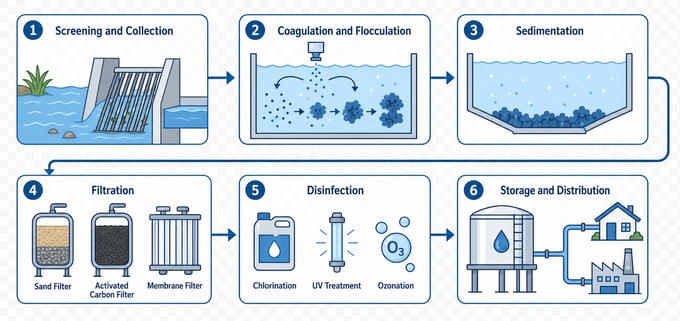
The water treatment process typically follows six main stages, each serving a specific purpose in purifying water. Let's examine each step in detail.
1. Screening and Collection
The initial water treatment step involves collecting water from its source and removing large debris. This process utilizes:
| Equipment | Purpose |
|---|---|
| Bar Screens | Remove large floating objects |
| Fine Screens | Filter smaller debris |
| Collection Tanks | Store incoming water |
2. Coagulation and Flocculation
During this crucial water treatment step, chemicals called coagulants are added to the water. These chemicals cause small particles to bind together, forming larger particles called flocs. Common coagulants include:
- Aluminum sulfate (alum)
- Ferric chloride
- Polyaluminum chloride
3. Sedimentation
After flocculation, the water enters sedimentation basins where the flocs settle to the bottom due to gravity. This water treatment step typically takes 2-4 hours, depending on water quality and basin design.
4. Filtration
The filtration stage removes remaining particles through various filter media. Modern water treatment plants often employ multiple filtration methods:
| Filter Type | Removes | Efficiency |
|---|---|---|
| Sand Filters | Suspended particles | 85-95% |
| Carbon Filters | Organic compounds | 90-99% |
| Membrane Filters | Microscopic particles | 99%+ |
5. Disinfection
Disinfection is a critical water treatment step that eliminates harmful microorganisms. Common disinfection methods include:
- Chlorination
- Most widely used method
- Provides residual protection
- Cost-effective solution
- UV Treatment
- Chemical-free option
- Effective against resistant organisms
- No residual effects
- Ozonation
- Powerful oxidant
- No chemical residue
- Higher operational costs
6. Storage and Distribution
The final water treatment step involves storing treated water and maintaining its quality during distribution. This stage requires:
- Proper storage tank maintenance
- Regular water quality monitoring
- Distribution system management
Monitoring and Control Systems in Water Treatment
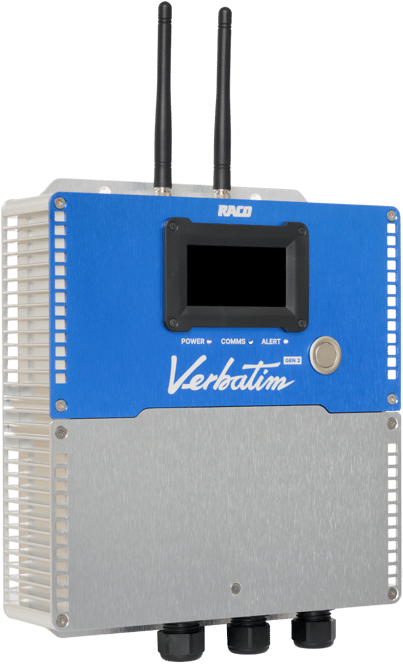
Effective water treatment requires sophisticated monitoring and control systems. RACO Manufacturing & Engineering's alarm systems play a crucial role in maintaining water quality by:
- Providing real-time monitoring of treatment processes
- Alerting operators to system anomalies
- Ensuring compliance with water quality standards
- Documenting treatment parameters for regulatory reporting
Advanced Water Treatment Technologies
Modern water treatment facilities often incorporate advanced technologies to enhance traditional treatment steps:
| Technology | Application | Benefits |
|---|---|---|
| Membrane Bioreactors | Biological treatment | Higher quality effluent |
| Ion Exchange | Softening/demineralization | Improved water quality |
| Reverse Osmosis | Desalination | Ultra-pure water production |
Maintaining Water Treatment System Efficiency
To ensure optimal performance of water treatment steps, facilities should:
- Implement regular maintenance schedules
- Train operators on proper procedures
- Monitor key performance indicators
- Update equipment as needed
- Document all processes and changes
Conclusion
Understanding and properly implementing water treatment steps is essential for producing safe, clean water. From initial screening to final distribution, each step plays a vital role in the treatment process. By utilizing modern monitoring systems and following best practices, facilities can maintain high water quality standards while optimizing operational efficiency.
Recommended Internal Links
Consider linking to the following related topics:
- Water quality monitoring systems
- Alarm systems for water treatment
- Remote monitoring solutions
- SCADA systems
- Wastewater treatment automation