

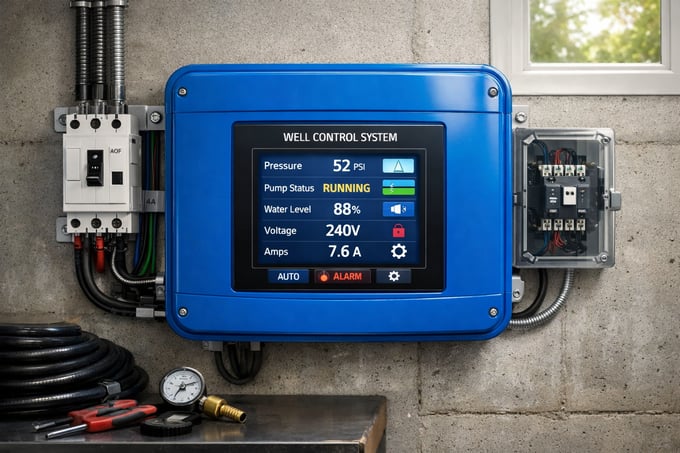
Water Well Control Box: The Complete Guide to Selection, Installation, and Maintenance


Water Well Control Box: The Complete Guide to Selection, Installation, and Maintenance
Managing a water well system efficiently requires reliable control and monitoring capabilities. At the heart of this operation lies the water well control box – a crucial component that ensures proper pump function, system protection, and automated water delivery. This comprehensive guide will help you understand everything you need to know about water well control boxes, from basic functionality to advanced features.
What is a Water Well Control Box?
A water well control box is an electrical control panel that manages the operation of submersible well pumps and related equipment. It serves as the central nervous system of your water well, controlling pump operation, providing protection against electrical issues, and monitoring various system parameters.
Key Components of a Water Well Control Box
Modern water well control boxes incorporate several essential components:
| Component | Function |
|---|---|
| Contactor | Controls power supply to the pump motor |
| Circuit Breaker | Provides overcurrent protection |
| Control Transformer | Steps down voltage for control circuits |
| Motor Starter | Manages pump motor startup sequence |
| Monitoring Relays | Track system parameters and protect against faults |
Benefits of Advanced Water Well Control Boxes
Modern control boxes offer numerous advantages over basic models:
1. Enhanced Protection Features
Advanced control boxes include sophisticated protection mechanisms against:
- Undervoltage and overvoltage conditions - Phase loss and phase reversal - Motor overload and underload - Short circuits - Dry run conditions2. Remote Monitoring Capabilities
Today's smart control boxes can integrate with SCADA systems and remote monitoring platforms, offering:
- Real-time system status updates - Performance data logging - Remote control capabilities - Automated alerts and notifications - Predictive maintenance insights3. Energy Efficiency
Modern control boxes incorporate features that optimize energy consumption:
- Soft start/stop functionality - Variable frequency drive integration - Power factor correction - Demand-based operationSelecting the Right Water Well Control Box
Choosing the appropriate control box requires careful consideration of several factors:
Pump Specifications
Match the control box to your pump's specifications:
- Motor horsepower rating - Voltage requirements - Single-phase vs. three-phase power - Starting current requirements - Operating conditionsEnvironmental Considerations
Consider the installation environment:
- Indoor vs. outdoor installation - Temperature extremes - Humidity levels - Exposure to elements - Required NEMA ratingInstallation Best Practices
Proper installation is crucial for optimal performance and longevity:
Location Selection
Choose a mounting location that provides:
- Easy access for maintenance - Protection from weather elements - Adequate ventilation - Stable mounting surface - Proximity to power sourceWiring and Connections
Follow these essential guidelines:
- Use appropriate gauge wire - Ensure proper grounding - Install surge protection - Seal all conduit entries - Label all connections clearlyMaintenance and Troubleshooting
Regular maintenance ensures reliable operation and extends system life:
Preventive Maintenance Schedule
| Frequency | Tasks |
|---|---|
| Monthly | Visual inspection, check for loose connections |
| Quarterly | Clean interior, test protection features |
| Annually | Complete system test, component replacement as needed |
Common Issues and Solutions
Be prepared to address these frequent problems:
- Contactor failure - Overload trips - Control circuit issues - Sensor malfunctions - Communication errorsAdvanced Features and Technologies
Modern water well control boxes incorporate sophisticated technologies:
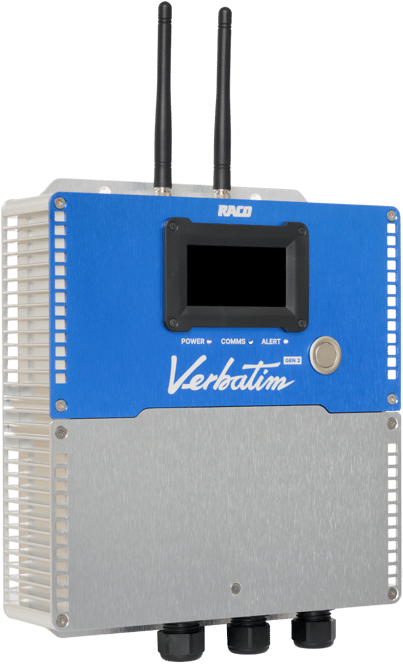
Smart Control Systems
Advanced control features include:
- Touchscreen interfaces - Data logging capabilities - Wireless connectivity - Mobile app integration - Cloud-based monitoringIntegration Capabilities
Modern systems can integrate with:
- Building management systems - Weather monitoring stations - Flow meters and level sensors - Water quality monitors - Backup power systemsConclusion
A well-chosen and properly maintained water well control box is essential for reliable water well operation. By understanding the components, features, and maintenance requirements, you can ensure optimal performance and longevity of your water well system. Consider upgrading to a smart control box to take advantage of advanced monitoring and control capabilities that can save time, reduce energy costs, and prevent system failures.
For expert guidance on selecting and implementing the right water well control solution for your application, contact RACO Manufacturing & Engineering. Our team of specialists can help you choose the perfect control system for your specific needs.