

What Are SCADA Systems? A Comprehensive Guide to Industrial Automation Control


What Are SCADA Systems? A Comprehensive Guide to Industrial Automation Control
In today's rapidly evolving industrial landscape, SCADA systems have become the backbone of modern automation and control. Whether you're managing a water treatment facility, overseeing manufacturing operations, or monitoring critical infrastructure, understanding SCADA systems is crucial for operational efficiency and success.
What is a SCADA System?
SCADA (Supervisory Control and Data Acquisition) systems are the central nervous system of industrial operations. These sophisticated platforms combine hardware and software components to monitor, control, and analyze industrial processes in real-time. From water distribution networks to power grids, SCADA systems provide the visibility and control necessary for efficient operations.
Core Components of SCADA Systems
1. Remote Terminal Units (RTUs) and Programmable Logic Controllers (PLCs)
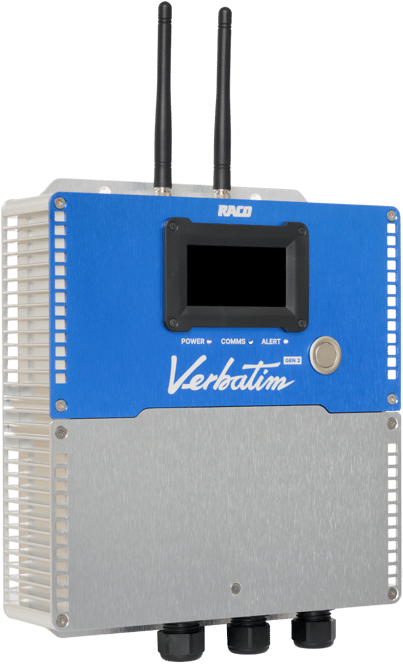
RTUs and PLCs serve as the field-level interface between physical equipment and the SCADA system. These devices collect data from sensors and control local processes based on programmed parameters. Modern RTUs, like those manufactured by RACO, offer advanced features such as:
- High-speed data acquisition
- Local processing capabilities
- Multiple communication protocols
- Built-in redundancy
2. Human-Machine Interface (HMI)
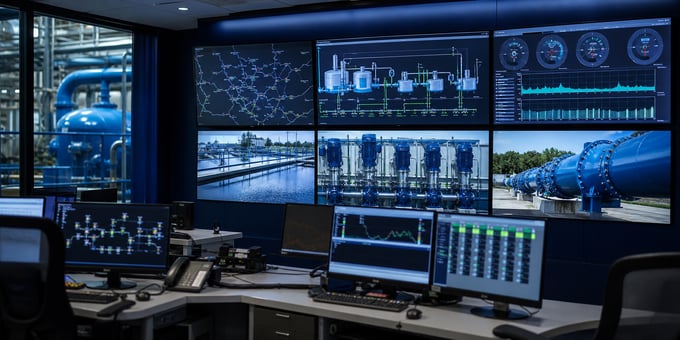
The HMI provides operators with a visual representation of the industrial process. This interface allows personnel to:
| Feature | Benefit |
|---|---|
| Real-time monitoring | Immediate awareness of system status |
| Process control | Direct manipulation of operational parameters |
| Alarm management | Quick response to critical situations |
| Data visualization | Enhanced decision-making capabilities |
3. Communication Infrastructure
Reliable communication is essential for SCADA systems. Modern systems utilize various protocols and methods, including:
- Ethernet/IP
- Cellular networks
- Radio communication
- Satellite connectivity
Benefits of Implementing SCADA Systems
Operational Efficiency
SCADA systems dramatically improve operational efficiency through:
- Automated data collection and analysis
- Reduced manual intervention
- Optimized resource allocation
- Predictive maintenance capabilities
Cost Reduction
Organizations implementing SCADA systems typically see significant cost reductions through:
| Area | Savings Potential |
|---|---|
| Labor costs | 20-30% reduction |
| Energy consumption | 15-25% reduction |
| Maintenance expenses | 30-40% reduction |
| Operational downtime | 40-50% reduction |
SCADA Systems in Water/Wastewater Management
In the water and wastewater industry, SCADA systems play a crucial role in ensuring efficient operations and regulatory compliance. These systems monitor and control:
- Flow rates and pressure levels
- Water quality parameters
- Pump station operations
- Treatment processes
- Distribution networks
Real-World Application Example
Consider a municipal water treatment facility implementing a SCADA system with RACO's Catalyst™ platform. The system provides:
| Feature | Impact |
|---|---|
| Real-time monitoring | Immediate detection of water quality issues |
| Automated alerts | Rapid response to system anomalies |
| Data logging | Comprehensive compliance reporting |
| Remote control | Efficient resource management |
Security Considerations for SCADA Systems
As critical infrastructure components, SCADA systems require robust security measures:
Cybersecurity Best Practices
- Regular security audits and updates
- Multi-factor authentication
- Encrypted communications
- Network segmentation
- Continuous monitoring
Future Trends in SCADA Technology
The SCADA landscape continues to evolve with emerging technologies:
Industry 4.0 Integration
Modern SCADA systems are incorporating:
- Artificial Intelligence and Machine Learning
- Cloud computing capabilities
- Industrial Internet of Things (IIoT) integration
- Advanced analytics
Choosing the Right SCADA System
When selecting a SCADA system, consider these critical factors:
| Factor | Consideration |
|---|---|
| Scalability | Future growth requirements |
| Integration capabilities | Compatibility with existing systems |
| Support and maintenance | Vendor reliability and expertise |
| Total cost of ownership | Long-term financial impact |
Conclusion
SCADA systems are essential tools for modern industrial operations, offering unprecedented control, efficiency, and insight into complex processes. As technology continues to advance, these systems will become even more integral to successful operations across all industries.
For more information about implementing SCADA systems in your facility, contact RACO's expert team or explore our comprehensive range of industrial automation solutions.
Recommended Internal Links:
- Industrial Automation
- Remote Monitoring
- Alarm Systems
- Water Treatment Solutions
- RTU Systems