



If you've ever wondered how wastewater moves from lower to higher elevations in your municipality's sewer system, the answer lies in lift stations. These critical pieces of infrastructure play an essential role in modern wastewater management, yet many people don't understand their function or importance. In this comprehensive guide, we'll explore everything you need to know about lift stations, from their basic operation to their crucial role in maintaining public health and environmental safety.
The Basic Function of a Lift Station
A lift station, also known as a pump station, serves a fundamental purpose: it pumps wastewater or sewage from a lower elevation to a higher elevation when gravity flow is not possible. Think of it as an elevator for wastewater. Without lift stations, communities would need to dig extremely deep sewer lines to maintain the gravity flow necessary for wastewater transport, which would be both impractical and cost-prohibitive.
Key Components of a Lift Station
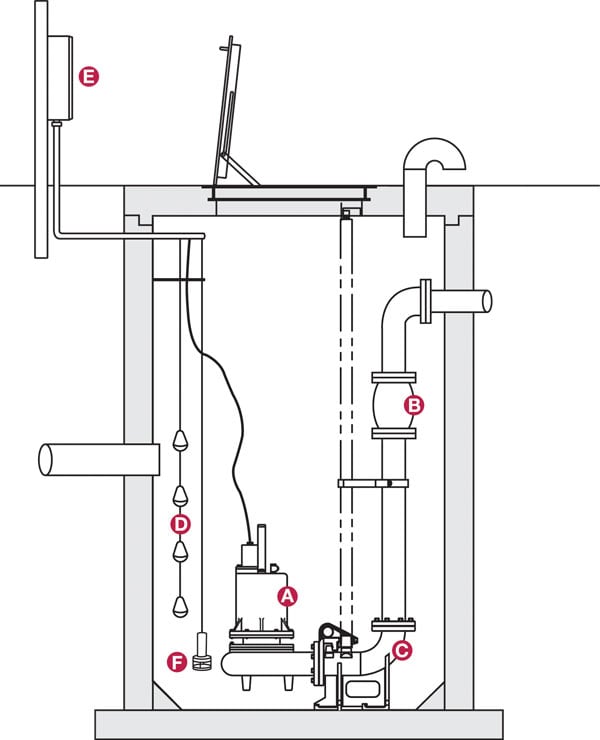
To understand how a lift station functions, it's important to know its main components:
| Component | Function |
|---|---|
| Wet Well | Collection point for incoming wastewater |
| Pumps | Mechanical devices that move the wastewater |
| Control System | Manages pump operation and monitoring |
| Alarm System | Alerts operators to potential problems |
| Backup Power | Ensures continuous operation during power outages |
How Does a Lift Station Work?
The operation of a lift station follows a systematic process:
- Collection: Wastewater flows by gravity into the wet well
- Level Monitoring: Sensors track the water level in the wet well
- Pump Activation: When water reaches a predetermined level, pumps automatically activate
- Transport: Wastewater is pumped to a higher elevation
- Discharge: The water continues its journey through the sewer system
Types of Lift Stations
Different environments and applications require different types of lift stations:
1. Submersible Pump Stations
These stations feature pumps that operate while submerged in the wet well. They're popular in residential and light commercial applications due to their compact design and lower maintenance requirements.
2. Dry Well Stations
These stations house pumps in a separate dry chamber adjacent to the wet well, making maintenance easier but requiring more space and infrastructure.
3. Package Lift Stations
Pre-engineered systems that come as complete units, ready for installation. They're ideal for smaller applications or temporary needs.
The Importance of Monitoring and Control Systems
Modern lift stations rely heavily on sophisticated monitoring and control systems to ensure reliable operation. These systems typically include:
- Remote monitoring capabilities
- Real-time data collection
- Automated alarm notifications
- Performance analytics
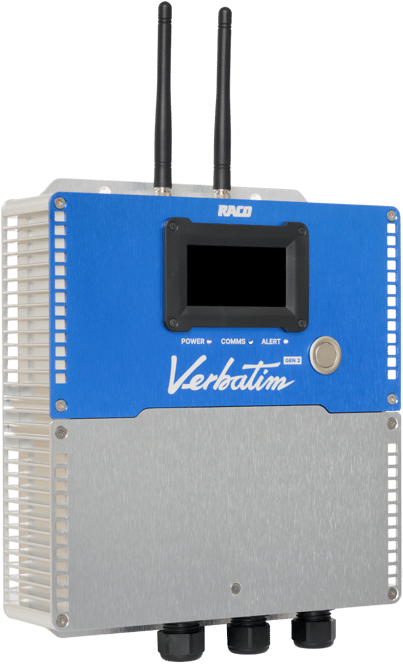
RACO Manufacturing & Engineering's Verbatim Gateway and AlarmAgent.com systems are industry-leading solutions that provide comprehensive monitoring and notification capabilities for lift stations. These systems help prevent costly overflow events and ensure compliance with environmental regulations.
Common Challenges and Solutions
Lift stations face several operational challenges that require careful management:
| Challenge | Solution |
|---|---|
| Power Failures | Backup generators and automatic transfer switches |
| Pump Clogs | Regular maintenance and debris removal systems |
| Equipment Failure | Preventive maintenance and redundant systems |
| Overflow Risk | Advanced monitoring and alarm systems |
Maintenance Requirements
Regular maintenance is crucial for lift station reliability. A typical maintenance schedule includes:
Daily Checks
Visual inspections and basic operational verification
Weekly Tasks
Pump runtime analysis and wet well cleaning
Monthly Procedures
Comprehensive system testing and calibration
Annual Maintenance
Complete system overhaul and component replacement as needed
Environmental and Public Health Impact
Lift stations play a crucial role in protecting public health and the environment by:
- Preventing sewage backups in homes and businesses
- Protecting water resources from contamination
- Supporting sustainable urban development
- Maintaining compliance with environmental regulations
Future Trends in Lift Station Technology
The future of lift station technology is evolving with several emerging trends:
- Integration of artificial intelligence for predictive maintenance
- Enhanced energy efficiency through smart controls
- Advanced remote monitoring capabilities
- Sustainable design and operation practices
Conclusion
Lift stations are essential components of modern wastewater infrastructure, enabling efficient sewage transport across varying elevations. Understanding what a lift station does helps appreciate the complexity and importance of our wastewater management systems. With proper monitoring, maintenance, and modern control systems, lift stations continue to play a vital role in maintaining public health and environmental safety.
For more information about lift station monitoring solutions, visit RACO Manufacturing & Engineering's website or contact our experts for personalized recommendations.