



What is an Alarm Dialer? The Complete Guide to Remote Monitoring Systems
When critical systems fail, every second counts. Whether it's a water treatment facility experiencing a pump failure or a manufacturing plant facing a temperature control emergency, the ability to instantly notify key personnel can mean the difference between a minor incident and a major catastrophe. This is where alarm dialers become indispensable tools in modern industrial operations.
Understanding Alarm Dialers: The Basics
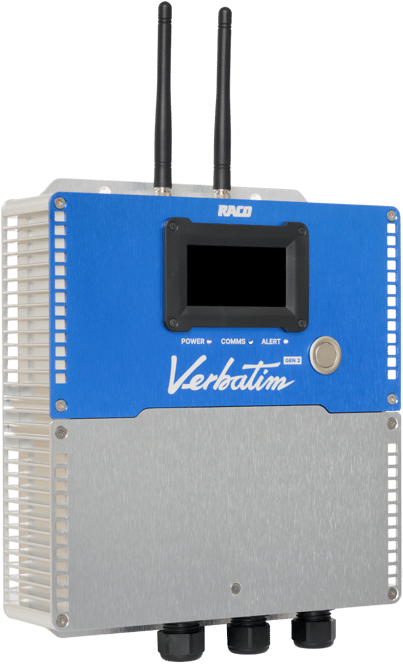
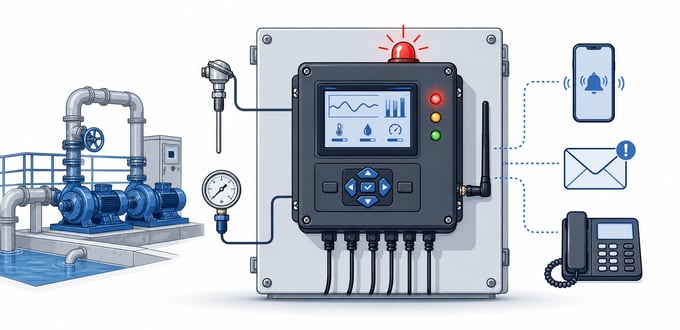
An alarm dialer is an automated monitoring and notification system that detects critical conditions through various sensors and immediately alerts designated personnel through multiple communication channels. These essential devices serve as vigilant watchdogs for industrial processes, municipal infrastructure, and critical facilities, operating 24/7 to ensure rapid response to emergencies.
Key Components of an Alarm Dialer System
Modern alarm dialers consist of several crucial components working in harmony:
| Component | Function |
|---|---|
| Input Sensors | Monitor conditions like temperature, pressure, power status, and equipment operation |
| Processing Unit | Analyzes sensor data and triggers alerts based on predetermined conditions |
| Communication Module | Transmits alerts through various channels (phone, text, email) |
| Power Supply | Maintains system operation, often with backup power capabilities |
Types of Alarm Dialers
1. Traditional Phone Line Dialers
These systems use standard telephone lines (POTS) to make voice calls and deliver pre-recorded messages. While considered legacy technology, they remain reliable in areas with limited cellular coverage.
2. Cellular Alarm Dialers
Modern cellular-based systems offer enhanced flexibility and reliability, leveraging cellular networks for communication. They're particularly valuable in remote locations or where traditional phone lines are impractical.
3. IP-Based Alarm Dialers
These advanced systems use internet connectivity to transmit alerts and can often be monitored through web interfaces or mobile apps. They offer the most comprehensive feature set and reporting capabilities.
Essential Applications of Alarm Dialers
Water and Wastewater Management
In water treatment facilities, alarm dialers monitor crucial parameters such as:
- Pump station operations - Tank levels - Chemical dosing systems - Flow rates - Equipment statusIndustrial Manufacturing
Manufacturing environments rely on alarm dialers to monitor:
- Production line status - Environmental conditions - Equipment performance - Safety systems - Power supply stabilityAgricultural Operations
Modern farming operations use alarm dialers to protect:
- Irrigation systems - Greenhouse conditions - Storage facility temperatures - Equipment operation - Weather-related threatsKey Features to Consider When Selecting an Alarm Dialer
Communication Capabilities
Modern alarm dialers should offer multiple notification methods:
| Method | Advantages |
|---|---|
| Voice Calls | Direct human contact, confirmation of message receipt |
| SMS Text | Quick delivery, convenient reference |
| Detailed information, attachment capabilities | |
| Mobile App Notifications | Real-time updates, interactive response options |
Reliability Features
Critical reliability features include:
- Battery backup systems - Self-diagnostic capabilities - Redundant communication paths - Regular system testing protocols - Tamper detectionInstallation and Maintenance Best Practices
Proper installation and maintenance are crucial for alarm dialer reliability. Consider these essential practices:
Installation Guidelines
1. Conduct a thorough site survey to identify optimal sensor locations 2. Ensure proper power supply with backup capabilities 3. Test communication paths thoroughly 4. Document all configuration settings 5. Train personnel on system operation
Maintenance Requirements
Regular maintenance should include:
- Monthly system tests - Quarterly sensor calibration - Semi-annual battery replacement - Annual comprehensive system review - Regular software updatesThe Future of Alarm Dialers
The alarm dialer industry continues to evolve with technological advances. Future trends include:
- Integration with IoT platforms - Enhanced AI-driven predictive capabilities - Improved cyber security features - Greater automation capabilities - Advanced data analyticsMaking the Right Choice for Your Application
When selecting an alarm dialer, consider these factors:
1. Current and future monitoring requirements 2. Available communication infrastructure 3. Budget constraints 4. Required reliability level 5. Integration needs with existing systemsRecommended Internal Links:
- Remote monitoring systems - SCADA integration - Industrial automation - Water treatment monitoring - Manufacturing process controlConclusion
Alarm dialers represent a critical component in modern industrial and infrastructure monitoring systems. By understanding their capabilities, features, and implementation requirements, organizations can make informed decisions about which system best suits their needs. As technology continues to advance, these systems will become even more sophisticated, offering enhanced protection and peace of mind for critical operations.
For expert guidance on selecting and implementing the right alarm dialer system for your application, contact RACO Manufacturing & Engineering. With decades of experience in industrial monitoring solutions, we can help you protect your critical operations with reliable, cutting-edge technology.