

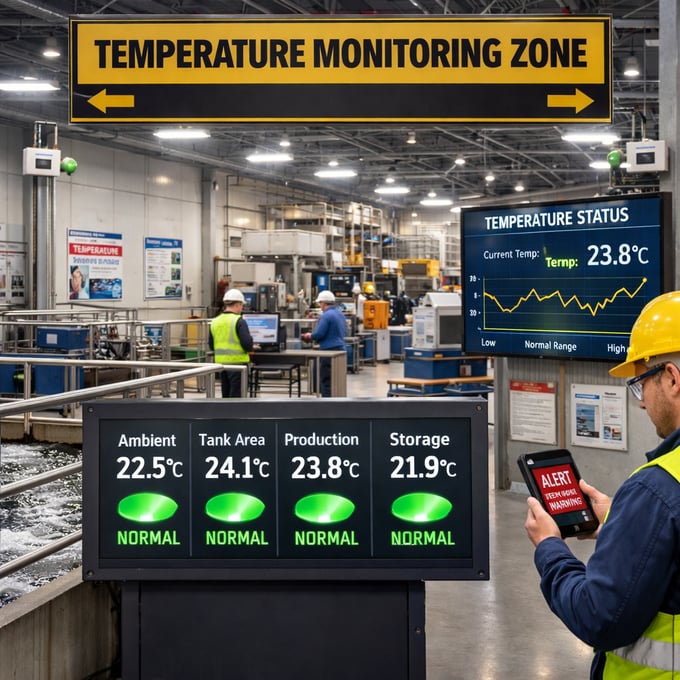
What Is Ambient Temperature? A Comprehensive Guide to Environmental Monitoring in Industrial Applications


What Is Ambient Temperature? A Comprehensive Guide to Environmental Monitoring in Industrial Applications
Understanding ambient temperature is crucial for industrial operations, equipment maintenance, and process control. Whether you're managing a wastewater treatment facility, operating industrial equipment, or monitoring critical infrastructure, knowing the ambient temperature and its implications can mean the difference between optimal performance and system failure.
Understanding Ambient Temperature: Definition and Significance
Ambient temperature refers to the temperature of the surrounding environment or air in a given space. It's the temperature that encompasses an object or area without direct influence from specific heat sources. In industrial applications, ambient temperature plays a vital role in:
- Equipment performance and longevity
- Process control accuracy
- Worker safety and comfort
- Energy efficiency
- Regulatory compliance
The Impact of Ambient Temperature on Industrial Operations
In industrial settings, ambient temperature affects various aspects of operations. Here's how different temperature ranges influence industrial processes:
| Temperature Range | Impact on Operations | Required Actions |
|---|---|---|
| Below 32°F (0°C) | Risk of freezing, equipment damage | Implement freeze protection measures |
| 32-70°F (0-21°C) | Optimal for most equipment | Regular monitoring |
| 70-85°F (21-29°C) | Increased cooling needs | Enhanced ventilation required |
| Above 85°F (29°C) | Potential equipment stress | Additional cooling systems needed |
Critical Applications Requiring Ambient Temperature Monitoring
Several industrial applications require precise ambient temperature monitoring:
1. Wastewater Treatment Facilities
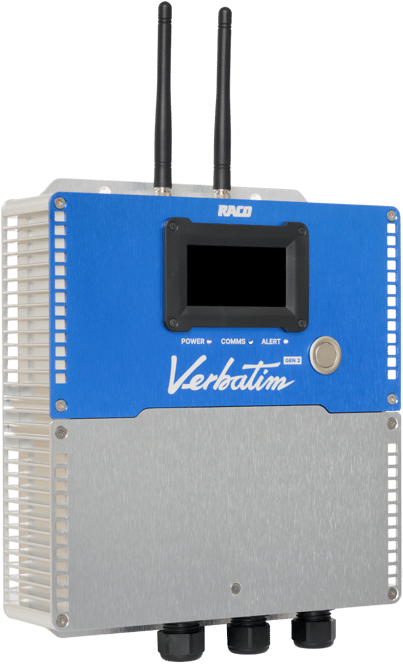
In wastewater treatment, ambient temperature affects biological processes, chemical reactions, and equipment performance. Monitoring systems like RACO's Catalyst and Guard-It ensure optimal temperature conditions for:
- Biological treatment processes
- Chemical dosing systems
- Pump station operations
2. Manufacturing Facilities
Manufacturing environments require strict temperature control for:
- Product quality consistency
- Equipment protection
- Worker safety compliance
3. Data Centers
Temperature monitoring is critical for:
- Server performance optimization
- Energy efficiency
- Equipment longevity
Best Practices for Ambient Temperature Monitoring
To effectively monitor ambient temperature in industrial settings:
1. Implement Strategic Sensor Placement
Position temperature sensors in locations that provide accurate readings of the general environment, away from direct heat sources or cooling vents. Consider:
- Height variations in the facility
- Air flow patterns
- Equipment heat generation
2. Utilize Advanced Monitoring Systems
Modern monitoring solutions like RACO's AlarmAgent.com provide:
- Real-time temperature monitoring
- Automated alerts and notifications
- Data logging and trending analysis
- Remote access capabilities
Temperature Monitoring Technology and Solutions
Advanced temperature monitoring systems incorporate several key components:
Remote Temperature Sensors
Modern sensors offer:
- High accuracy (±0.5°C)
- Digital output capabilities
- Network connectivity
- Long-term stability
Monitoring and Alert Systems
RACO's monitoring solutions provide:
- 24/7 automated monitoring
- Multiple communication channels
- Customizable alert thresholds
- Historical data analysis
Regulatory Compliance and Standards
Industrial facilities must comply with various temperature-related regulations:
| Regulation Type | Requirements | Application |
|---|---|---|
| OSHA Standards | Workplace temperature limits | Worker safety |
| FDA Guidelines | Process temperature control | Product quality |
| EPA Requirements | Environmental impact limits | Environmental protection |
Conclusion: The Importance of Proper Temperature Monitoring
Understanding and monitoring ambient temperature is essential for industrial operations. With the right monitoring system in place, facilities can maintain optimal conditions, protect equipment, ensure worker safety, and comply with regulations. RACO's comprehensive monitoring solutions provide the tools needed to effectively manage ambient temperature in any industrial setting.
For more information about implementing effective temperature monitoring systems, contact RACO's expert team or explore our range of monitoring solutions designed specifically for industrial applications.