

What is an IMS Solution? A Complete Guide to Intelligent Monitoring Systems


What is an IMS Solution? A Complete Guide to Intelligent Monitoring Systems
In today's complex industrial landscape, maintaining operational efficiency and preventing costly system failures has never been more critical. An IMS solution (Intelligent Monitoring System) serves as the backbone of modern industrial monitoring and control operations, providing real-time insights and automated responses to critical system events. This comprehensive guide will explore everything you need to know about IMS solutions and how they're revolutionizing industrial operations.
Understanding IMS Solutions: The Foundation of Modern Industrial Monitoring
An IMS solution is an integrated system that combines hardware and software components to monitor, analyze, and respond to industrial processes in real-time. These sophisticated systems serve as the central nervous system of industrial operations, collecting data from various sensors and equipment while providing intelligent insights for informed decision-making.
Key Components of an IMS Solution
| Component | Function |
|---|---|
| Data Collection Units | Gather real-time information from sensors and equipment |
| Processing Systems | Analyze incoming data and identify patterns or anomalies |
| Communication Infrastructure | Enable secure data transmission between components |
| User Interface | Provide accessible visualization and control options |
Benefits of Implementing an IMS Solution
Organizations implementing IMS solutions experience numerous advantages that directly impact their bottom line and operational efficiency:
1. Enhanced Operational Efficiency
IMS solutions streamline operations by automating monitoring processes and reducing the need for manual oversight. This automation leads to significant time savings and allows staff to focus on more strategic tasks rather than routine monitoring duties.
2. Proactive Maintenance
By continuously monitoring system parameters, IMS solutions can detect potential issues before they become critical problems. This predictive capability enables maintenance teams to address concerns proactively, reducing downtime and extending equipment life.
3. Cost Reduction
Through improved efficiency and reduced system failures, organizations typically see substantial cost savings after implementing an IMS solution. These savings come from lower maintenance costs, reduced energy consumption, and minimized emergency repairs.
IMS Solutions in Water and Wastewater Management
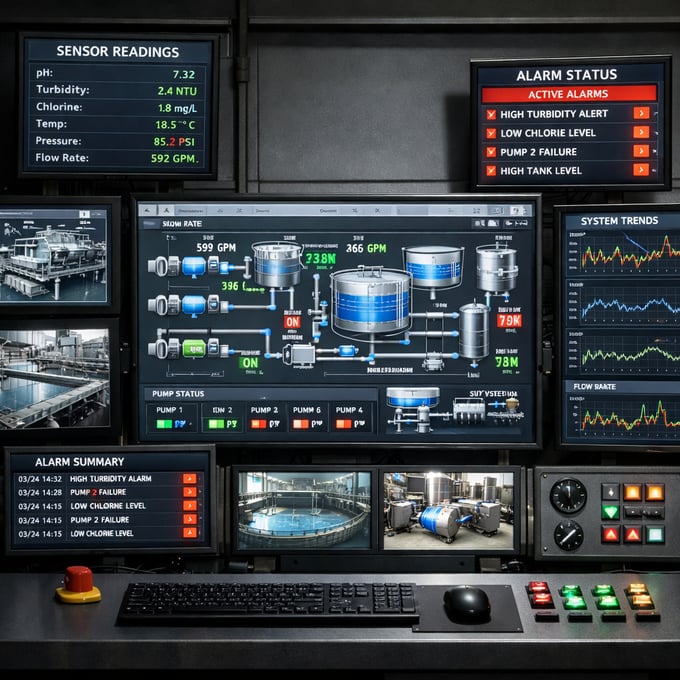
In the water and wastewater industry, IMS solutions play a crucial role in maintaining system integrity and ensuring regulatory compliance. These systems monitor various parameters including:
- Flow rates and pressure levels
- Water quality metrics
- Equipment status and performance
- Chemical treatment processes
Real-World Application: RACO Catalyst™ IMS Solution
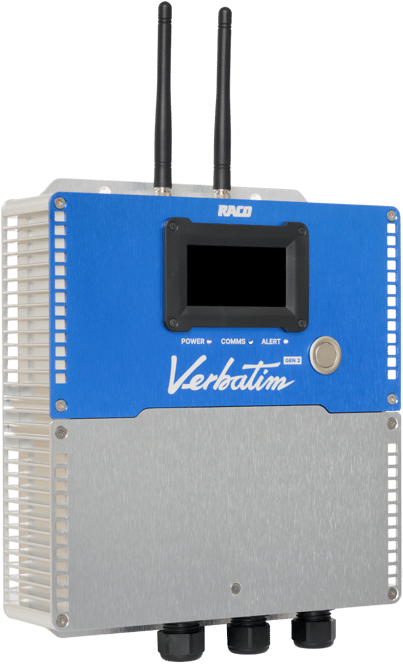
The RACO Catalyst™ represents a state-of-the-art IMS solution specifically designed for water and wastewater applications. This system combines advanced monitoring capabilities with intuitive controls and robust communication features to provide comprehensive facility oversight.
Key Features of Modern IMS Solutions
Remote Monitoring and Control
Modern IMS solutions offer remote access capabilities, allowing operators to monitor and control systems from anywhere with an internet connection. This feature proves particularly valuable during emergencies or when facilities are unmanned.
Advanced Analytics
Today's IMS solutions incorporate sophisticated analytics tools that can:
- Identify patterns in system behavior
- Predict potential equipment failures
- Optimize resource utilization
- Generate detailed performance reports
Choosing the Right IMS Solution
When selecting an IMS solution, consider these critical factors:
| Factor | Consideration |
|---|---|
| Scalability | Can the system grow with your organization? |
| Integration Capabilities | Will it work with existing systems? |
| Support Services | What level of technical support is available? |
| Cost of Ownership | What are the long-term maintenance requirements? |
Implementation Best Practices
Successfully implementing an IMS solution requires careful planning and execution. Consider these essential steps:
- Assessment: Evaluate current systems and identify specific monitoring needs
- Planning: Develop a detailed implementation strategy
- Training: Ensure staff are properly trained on the new system
- Testing: Conduct thorough system testing before full deployment
- Maintenance: Establish regular maintenance procedures
Future Trends in IMS Solutions
The future of IMS solutions is being shaped by several emerging technologies:
Artificial Intelligence and Machine Learning
AI and ML capabilities are enhancing the predictive abilities of IMS solutions, enabling more accurate forecasting and automated decision-making.
IoT Integration
The Internet of Things is expanding the reach and capabilities of IMS solutions, allowing for more comprehensive monitoring and control options.
Conclusion
An IMS solution represents a critical investment in operational efficiency and system reliability. By providing real-time monitoring, advanced analytics, and automated response capabilities, these systems help organizations maintain optimal performance while reducing costs and preventing system failures. As technology continues to evolve, IMS solutions will become even more sophisticated, offering greater value to organizations across various industries.
For more information about implementing an IMS solution for your facility, contact RACO Manufacturing & Engineering to discuss how our advanced monitoring systems can meet your specific needs.